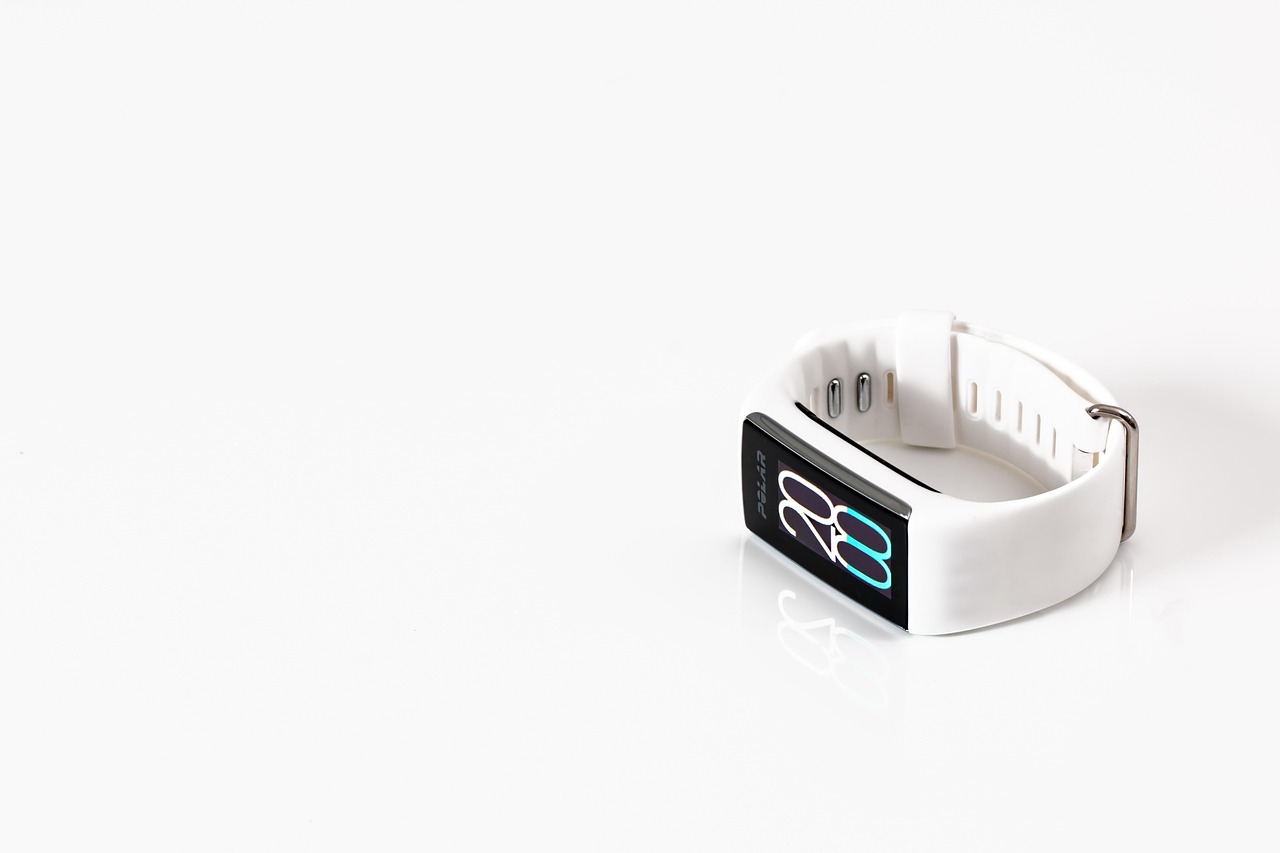

Using Wearables to Monitor Health Changes During Fasting
Intermittent fasting is becoming increasingly popular due to its potential health benefits. Individuals are now considering collecting data to support their fasting journey. Wearable technology offers practical solutions for tracking health markers, significantly improving one’s ability to monitor progress. Utilizing devices such as smartwatches or fitness trackers can provide real-time feedback on important metrics, including heart rate, sleep patterns, and more. By consistently gathering this data, users can better understand their body’s response to fasting. Popular options include Fitbit, Apple Watch, and Garmin devices. All provide unique features tailored for various users. Understanding how to use these devices effectively will help users maximize their results. For best results, regularly check your health metrics during and after fasting periods. It may also help to set specific goals, such as improved heart rate or sleep quality. Recording this data daily can reveal trends and potential areas for adjustment. Combining lifestyle changes with data tracking increases the chance of achieving health goals. In conclusion, the integration of wearables can significantly enhance your fasting experience and support long-lasting health changes.
Wearable technology can play a critical role when it comes to setting and achieving intermittent fasting goals. Devices designed to monitor specific health indicators can provide clarity about one’s progress. This aids in sustaining motivation and adherence to selected fasting protocols. With the accumulation of data, individuals can pinpoint challenges associated with their fasting routine. For instance, if a wearer notices fluctuations in their heart rate during fasting windows, they can modify their approach. Wearable trackers can also help suggest adjustments to their daily routines. Additionally, analyzing metrics like stress levels and sleep quality during fasting challenges can uncover areas for improvement. Many devices will even provide insights based on a user’s personal trends over time. Utilizing wearable technology in fasting provides a more tailored experience, reflecting an individual’s health journey. Gathering this specific data helps users feel more accountable for their progress. Monitoring fatigue, energy levels, and mood can provide beneficial insights to improve overall fasting experiences. As the technology continues to evolve, expect more integrations with fasting plans, offering even deeper insights into how one’s body responds to these dietary changes.
Another significant benefit of wearables in intermittent fasting involves community support and connection. Many platforms associated with these devices permit users to share their experiences and progress with friends or a broader community. By integrating social media and online groups into their fasting journey, individuals can motivate and encourage one another. This support can be vital during challenging fasting moments, where some might feel lonely or discouraged. With shared data, users can compare success rates, receive helpful advice, and celebrate milestones together. For those who find support invaluable, connecting through wearables can enhance adherence to their fasting routines. Gamification is an essential aspect of this shared experience as well. Many wearables include challenges or rewards for meeting health milestones, making the process more enjoyable. Utilization of these social aspects encourages an atmosphere of collaboration and positivity. This collective motivation can create a powerful influence on users striving toward personal success. Tracking progress becomes less of a solitary endeavor and more of a shared journey. By capitalizing on community aspects of wearable technology, users may find new inspiration to continue on their fasting paths.
Customization and Personalization Through Wearables
Most wearables today provide customizable alerts or notifications to assist users during fasting periods. These features can help create reminders to drink water, move, or breathe. Personalization increases the device’s effectiveness since it aligns with one’s unique fasting schedule. Adapting the device settings to accommodate personal routines is crucial for maintaining motivation. Users can set specific goals for fasting duration, caloric intake, or hydration levels. By having the ability to adjust parameters, users can make informed decisions based on real-time feedback from their wearables. When fasting breaks occur, wearables often provide valuable insights into the consequences of returning to normal eating patterns. Continuous feedback loops establish a clearer understanding of progress. Furthermore, wearables armed with advanced analytics enable users to track finer details over time. Users are encouraged to analyze metrics daily, offering optimal conditions for improvement. This means that overtime adjustments can be made as one becomes aware of potential pitfalls. Overall, customizing wearables fosters a deeper connection to one’s health journey, leading to enhanced results and understanding of fasting effects on personal health.
A crucial metric to track during intermittent fasting involves variations in body composition. Some wearables include body fat analysis features or scales that sync data to smartphones. These functionalities afford users insights into weight changes, muscle mass fluctuations, and fat loss over time. Understanding body composition transformations offers a more profound picture than mere weight. Relying solely on scales can’t paint an accurate assessment when losing fat and gaining muscle simultaneously. Regularly monitoring these elements fosters a more comprehensive understanding of personal health markers during fasting. When users witness positive changes in body composition, it often encourages continued dedication toward fasting routines. Furthermore, this information can be utilized alongside metrics such as heart rate or sleep data to assess overall wellness. This holistic approach conveys a more accurate assessment of the benefits experienced through intermittent fasting. Not all devices provide the same level of detail, so researching product features is essential. Using wearables effectively means recognizing their strengths. When individuals utilize data derived from multiple sources, they can gauge their successes better.
Integrating wearables into a daily lifestyle of intermittent fasting can transform how one approaches health and wellness. With the right mindset and consistent data tracking, the potential to achieve remarkable shifts in body health is attainable. Critical in this process is embracing the role of technology for accountability and motivation. Making conscious decisions about food and drink becomes easier when paired with insightful data. Visualizing progress through metrics fosters a sense of ownership over the fasting journey. Maintaining a continuous connection between performance metrics and individual goals amplifies users’ determination and commitment. Furthermore, developing these habits through wearables promotes patterns of self-awareness that can extend beyond fasting windows. Users often report enhancements in energy levels, focus, and fulfillment in day-to-day activities. As the culture of health continues to evolve, wearables will likely build upon existing features to further optimize the fasting experience. The potential of wearables is vast. Expect innovations aimed at better serving the unique needs of individuals. Ultimately, being healthy has never been easier due to the supporting technology’s availability. Understanding and utilizing wearable devices can empower successful fasting journeys.
The Future of Wearable Technology in Fasting
As technology continues to advance, the landscape of wearables will undoubtedly evolve, bringing new opportunities for monitoring health during intermittent fasting. Future wearables may provide even more comprehensive data, utilizing artificial intelligence and machine learning to tailor insights specifically to individual needs. Enhanced algorithms could analyze real-time health data, making recommendations about fasting durations or optimal nutritional timing. This personalized guidance could lead to an easier adjustment period for beginners or seasoned fasters alike. Moreover, innovation in sensor technology will enrich the data available on physiological responses during fasting. Gamified elements, such as challenges or competitions, may increase user engagement. Future devices could integrate platforms for sharing results or experiences even more seamlessly than today. This would aim at fostering a stronger community around fasting, enhancing social support mechanisms. Additionally, future developments may focus on integrating nutrition tracking directly through connected apps, offering users a comprehensive overview. By 2025 or beyond, expect wearables that significantly improve their analytical functions. The goal is clear: facilitate healthier relationships with food through informed and empowered fasting experiences. Ultimately, the future of fasting will leverage wearables in increasingly profound ways.
In summary, wearables play a pivotal role in enhancing intermittent fasting experiences, providing immediate access to essential health data while encouraging users to stay accountable and informed. By committing to using these innovative devices, individuals can track their metrics effectively, gather insights about their health journey, and make necessary adjustments to improve overall wellbeing. Moreover, the community aspects these devices offer can create supportive networks vital for motivation. Combining technology with adherence to fasting protocols unlocks potential health benefits. With human behaviors and technology constantly intertwined, it is critical to navigate future advancements effectively. By seeking innovative ways to optimize partnerships between wearables and fasting, users can enhance their knowledge and commitment to healthier lifestyles. Always remember to personalize settings for accurate monitoring and reflective assessment. The deeper understanding of body responses nurtured through this journey can lead to lasting health changes. Users may look back and recognize the ways in which these devices have enhanced their lives significantly. As the world embraces a digital health revolution, advances in wearable technology will open doors to even greater opportunities for monitoring fasting. All these advancements contribute towards fulfilling individual health aspirations.