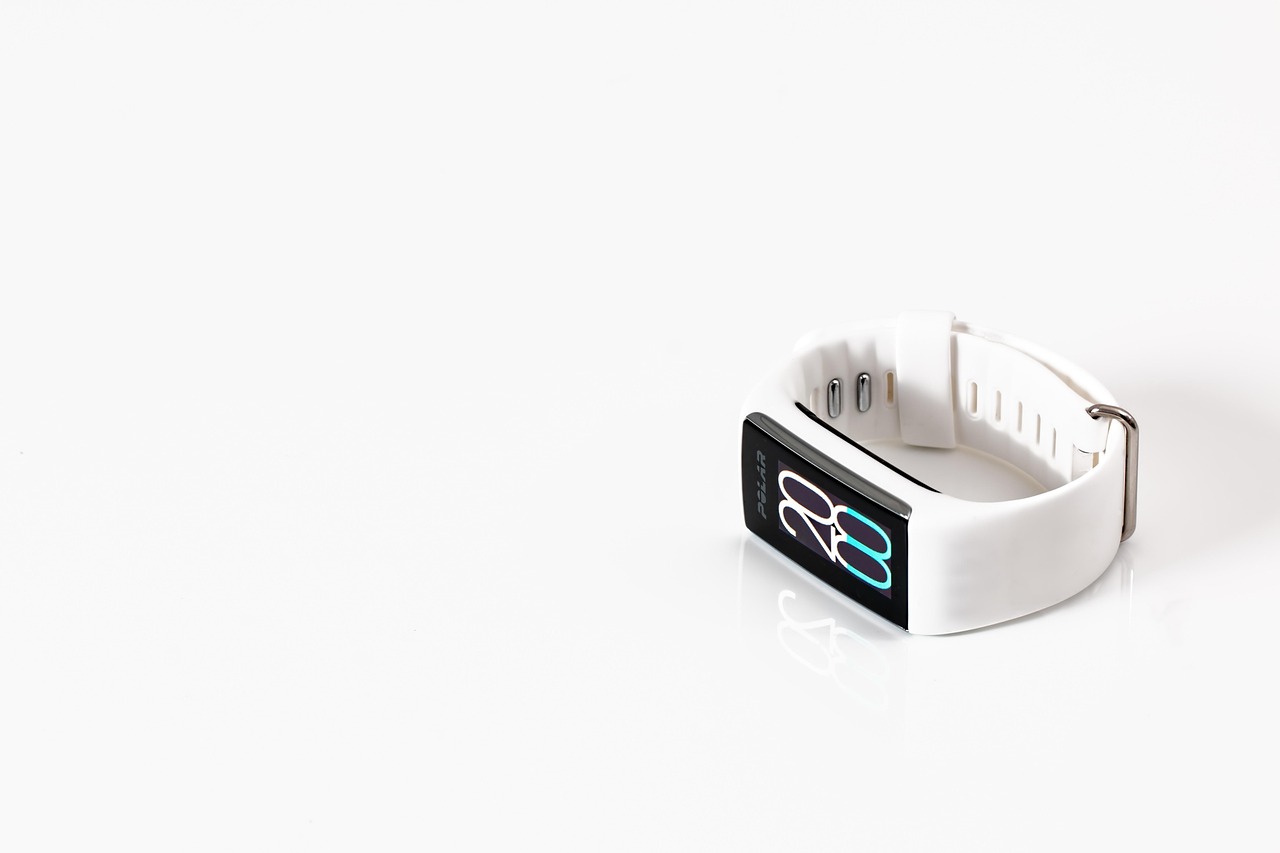

Personalized Training Programs Through Wearable Analytics
The fitness industry has seen a remarkable surge in the adoption of wearable performance analytics, which are revolutionizing personalized training programs. These devices are engineered to track metrics such as heart rate, steps taken, and calories burned, offering a comprehensive analysis of an individual’s fitness level. Users can monitor their performance and adjust workout routines accordingly based on real-time data. This feedback allows for immediate modifications, ensuring that exercise regimens align with personal goals and requirements. Wearable technology encourages a proactive approach, motivating individuals to engage with their fitness journey. Moreover, it enhances accountability, as users can set specific targets and receive reminders and alerts. Integrating such devices into training encourages a detailed understanding of one’s body and capabilities, ultimately leading to better outcomes. As the technology progresses, features like GPS tracking, sleep monitoring, and stress management capabilities are becoming more prevalent, creating an all-in-one fitness solution. With the ability to customize workouts based on analytics, users can ensure effectiveness and maximize effort for better results.
These wearables allow seamless communication between users and trainers, offering enhanced feedback loops essential for effective training. The integration of data collected from wearables into training programs enables trainers to create tailored workouts based on individual performance patterns. For example, if a user consistently finds their heart rate exceeding ideal levels during a workout, trainers can modify the program to prevent overexertion and ensure safety. This leads to a significantly reduced risk of injuries and boosts motivation. Users can also log their nutritional intake through accompanying apps, which leads to comprehensive insights into how dietary habits impact performance. Analyzing this data holistically allows trainers to adjust fitness plans dynamically. Furthermore, personalized analytics also promote better engagement from clients, as they see their progress illustrated through data points. The competitive aspect of wearable devices is also empowering; users can track achievements against peers, which fosters a sense of community and encouragement. Sharing results through social platforms further enhances the experience, making fitness not only a personal endeavor but a shared journey.
Benefits of Wearable Performance Analytics
There are numerous benefits associated with incorporating wearable performance analytics into personalized training programs. First, wearables provide data-driven insights that allow users to track their performance consistently over time. This record is beneficial for both users and trainers, as it helps in assessing what works and what needs adjustments. Additionally, wearables often come equipped with features that promote healthy habits, like alerts to remind users to move or hydrate. Another significant advantage is the accessibility of data; users can view their statistics anytime, facilitating immediate improvements and adjustments to their routines. The convenience offered by technology encourages users to adhere to their training regimens longer, significantly enhancing outcomes. Wearable devices also motivate individuals to reach new heights by allowing them to set and visualize goals. The motivational features embedded in many wearables, such as friendly challenges or achievement badges, help sustain interest and commitment. Lastly, overall well-being is greatly improved through personalized feedback from wearables, paving the path to a healthier lifestyle and directly contributing to user satisfaction and fitness success.
Moreover, connecting various wearable devices and applications can create a cohesive fitness ecosystem, amplifying personal training experiences. Such an integrated approach allows users to build a comprehensive health profile, synthesizing exercise, diet, sleep patterns, and stress levels into one platform. This holistic view empowers users to understand the broader effects of lifestyle choices on performance and health. For instance, tracking sleep alongside workouts can provide insights into how rest affects workout efficacy, allowing for better scheduling of training days. Personalizing recovery strategies based on analytics can be particularly effective in preventing burnout and promoting longevity in fitness endeavors. By utilizing wearables not just during workouts but throughout the day, individuals can optimize overall health and wellness. The blend of personalization with technology goes beyond just physical gains; it fosters a community through shared experiences, resulting in enhanced camaraderie. With emerging technologies continually enhancing these devices, the future of personalized training programs looks promising, offering even more tailored experiences that adapt to individual needs and preferences. As advancements in artificial intelligence and machine learning progress, expect wearables to become even more insightful.
Future Trends in Wearable Analytics
As the fitness industry continues to evolve, several future trends in wearable performance analytics are poised to shape personalized training programs significantly. One trend is the enhancement of artificial intelligence capabilities integrated into wearables. These devices can utilize machine learning algorithms to predict user behavior and adapt training recommendations accordingly. This level of personalized guidance can optimize individual routines, creating a truly customized experience based on intricate analytics. Furthermore, the inclusion of mental health metrics, such as mood analysis through biometric data, is gaining momentum, paving the way for a more comprehensive view of well-being. The need for data privacy is becoming increasingly important, leading to enhanced security measures to protect sensitive user information. Additionally, more brands are collaborating with healthcare professionals to ensure their products provide accurate data and deeper insights. Another anticipated trend is the convergence of virtual reality with wearable analytics, facilitating immersive workout experiences that blend gaming with fitness. Such innovations will motivate users to engage more fully in their training, experiencing workouts as interactive challenges rather than mundane tasks.
Moreover, the introduction of augmented reality features in wearable devices will create an engaging training experience for users. By overlaying performance metrics onto the real world, users can interact with their environment in new ways. This capability will further foster personalized training programs and enhance motivation when working out in different settings. Wearable performance analytics are likely to become even more comprehensive, integrating features for nutrition tracking, hydration reminders, and mindfulness exercises to consider users’ mental well-being. Interfacing systems in devices will be more seamless, allowing users to transition between different fitness activities smoothly. The diversification of wearable devices—tailoring options for various sports and activities—will meet the needs of niche fitness segments, making them more appealing to broader audiences. Ultimately, with advancements occurring in technology, there will be a shift toward more affordable and accessible wearable solutions that cater to different demographics. Many users, regardless of fitness levels, will benefit from enhanced technology, ensuring that personalized training becomes a standard in fitness pursuits.
Conclusion: Embracing the Change
Embracing wearable performance analytics transforms how personalized training programs are crafted and executed in the fitness industry. This change encourages individuals to take charge of their fitness journey, integrating data-driven insights into everyday routines. As users become more aware of their bodies and performance metrics, the approach to training shifts from a one-size-fits-all strategy to highly personalized experiences. The role of trainers is also evolving; they become facilitators who guide users through data interpretation rather than solely issuing generalized workout plans. The enhanced engagement from customized programs leads users to experience noticeable improvements, driving motivation and satisfaction. Fitness will increasingly become about fostering a lifestyle that prioritizes overall well-being, supported by effective technologies. As the industry adapts to these changes, the continuous evolution of wearables will likely refine how users train, recover, and ultimately achieve their goals. The future of fitness is undeniably intertwined with innovation, promising rewarding experiences for anyone on their health journey. This ongoing transformation underscores the importance of merging technology with fitness for optimal results, ensuring a healthier society.