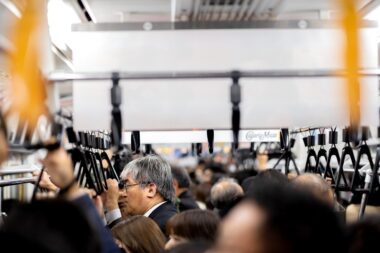

Environmental Factors Influencing Ergonomics in Public Areas
In public spaces, environmental factors significantly influence ergonomics and comfort for users. Ergonomics is primarily concerned with optimizing human well-being through the configuration of environments. Various elements factor into the ergonomic analysis, including layout, furniture design, and ambient conditions. Public areas often feature numerous configurations that can either hinder or support ergonomic principles. For example, the arrangement of seating can help prevent discomfort during longer waits or encourage social interaction. Furthermore, accessibility is a core ergonomic concern, ensuring that public spaces cater to individuals of all bodily capabilities and heights. Elements such as signage, ramps, and seating height all contribute to a user-friendly environment. Various studies indicate that environments poorly designed create strain and discomfort, which hinders overall public well-being. As such, stakeholders must analyze these aspects to effectively harness ergonomics in achieving enhanced public comfort. Factors that demand consideration include user demographics, potential flow patterns, and the potential for noise reduction. Without focus on these elements, public spaces could ultimately fail to meet the ergonomic needs of their users, thereby impacting overall satisfaction and functionality.
Signage and Wayfinding
One significant ergonomic feature of public spaces is signage and wayfinding systems. Effective signage benefits users through clear, easily identifiable directions and information. In an increasingly diverse society, accessible signage becomes essential for ensuring ease of navigation. Factors such as font size, contrast, and language can greatly affect usability and comprehension. For improved ergonomics, signage should be placed at eye level and allow a reasonable viewing distance to avoid awkward postures. Notably, incorporating pictorial elements alongside text can enhance understanding and bridge language barriers. Additionally, tactile icons are vital for individuals with visual impairments. The overall design should promote intuitive navigation, reducing cognitive load on users. Furthermore, digital signage can enhance wayfinding by adapting in real time to changing conditions or providing tailored information based on user needs. Moreover, the placement of wayfinding tools should align with travel points, such as entrances, junctions, and exits, to naturally guide users through the space. Ultimately, well-designed signage contributes significantly to the ergonomics of public spaces, leading to higher levels of satisfaction and functionality for all users.
Another crucial aspect influencing ergonomics in public spaces is seating design and arrangement. Seating should accommodate a variety of body types and preferences to ensure maximum comfort. Ergonomically designed seating enhances user posture, reducing the risk of strain. The height, depth, and angle of seats must meet the physical requirements of different users to enable supportive positions. Public areas should offer a range of seating types, including benches, chairs, and lounge areas, catering to diverse needs. For instance, providing back support in seating can significantly impact user experience by promoting a healthier posture. Additionally, the spacing of seats plays a pivotal role, as overcrowded seating can lead to discomfort. Various materials also affect comfort; the use of breathable fabrics, for example, can improve user satisfaction. Design elements such as armrests, which help in stabilizing users while seated, can further enhance comfort. Ultimately, a well-thought-out seating arrangement can facilitate social interactions and alleviate discomfort, transforming a public space into a welcoming environment. Proper seating design is therefore indispensable in creating ergonomic public areas that cater to the user’s needs.
Lighting Conditions
Lighting has a profound impact on ergonomics in public spaces, affecting visibility and user comfort. Ideal lighting conditions enhance safety and usability while minimizing strain on the eyes. Natural sunlight is the most desirable option, providing evenly distributed light that promotes alertness and well-being. To maximize exposure to daylight, the design of public spaces should include ample windows and skylights, letting natural light flood in. Artificial lighting, when necessary, must mimic natural light qualities by utilizing LED bulbs that render true colors and reduce glare. Different areas may require varying lighting intensity levels based on their use; brighter light is typically needed in high-traffic zones, while softer illumination caters to relaxation spaces. Moreover, proper placement of lighting fixtures is crucial; overhead lights should be positioned to reduce shadows and eliminate potential hazards. Periodic evaluations of lighting conditions for efficacy and comfort ensure consistently pleasant user experiences. Additionally, incorporating adjustable lighting fixtures allows space adaptation for different events or user preferences. Optimizing these conditions not only enhances workforce productivity in various facilities, but also improves overall public enjoyment in communal areas.
Another vital environmental factor in public spaces is the presence of noise and its management. Excessive noise can significantly detract from the user experience and overall ergonomic quality of a space. Strategies for noise management encompass sound absorption options, such as the installation of acoustic panels, greenery or water features. Effective spatial design also plays a role; separating noisier areas from quieter zones can help maintain peaceful environments. Implementing soft furnishing can minimize echo and dampen unpleasant sounds, creating a calming atmosphere. Additionally, pathways should be designed to minimize foot traffic through quieter zones, further reducing disturbances. The incorporation of designated quiet areas allows users to escape the hustle and bustle of busy public locations. To further enhance user comfort, uploading soundscapes can mask undesirable noises and create a more enjoyable environment. Community feedback is essential for tailoring noise reduction efforts, as users often have unique preferences regarding sound levels in different areas. Ultimately, addressing noise through thoughtful design fosters more pleasant and ergonomically sound experiences for individuals visiting public spaces.
Accessibility Features
Accessibility is a fundamental element when discussing ergonomics in public spaces. By prioritizing accessibility, public environments can accommodate all users, ensuring no one is left behind. Key design considerations include the implementation of ramps, wider pathways, and accessible restrooms, making movement easier for individuals with disabilities. Furthermore, tactile elements, braille signage, and auditory indicators play an integral role in enhancing navigational ease for those with visual impairments. These features not only support the ergonomics of active users but also contribute to an enhanced quality of life. Moreover, facilities should prioritize seating and workspace designs that are adjustable for tailored user preferences. Collaborative spaces are essential for fostering social interactions and creativity among users. Regular assessments can help identify potential barriers that limit accessibility, allowing for proactive solutions. The adoption of inclusive practices reflects the commitment of public space designers to cater to diverse needs and promote wellness throughout communities. Additionally, engaging with users during the design phase ensures that their perspectives shape important decisions, directly impacting the ergonomics of public spaces. Ultimately, accessibility fosters empowerment and independence for all individuals.
Lastly, the impact of temperature and climate conditions cannot be overlooked when considering ergonomics in public spaces. Comfortable temperature levels contribute significantly to user satisfaction and overall well-being. As such, designing systems for temperature regulation is a priority. Climate-controlled environments must balance heating and cooling systems to maintain pleasant conditions regardless of the outside climate. Additionally, utilizing natural ventilation strategies fosters air circulation and reduces reliance on artificial heating and cooling mechanisms. For users spending extended periods in public spaces, appropriate thermal comfort is essential for prolonged engagement and productivity. Indoor plants can also contribute positively by improving air quality. External environments should consider overhead structures for shading and rain protection, thus allowing for usable outdoor spaces throughout the year. Durability develops through long-lasting materials that withstand varying weather conditions, ensuring that spaces remain attractive regardless of external factors. Engaging in environmental sustainability practices further aligns design with user expectations and community well-being. Ultimately, attention to temperature and climate conditions enhances ergonomics and usability, fostering a more enjoyable experience in public spaces.
In conclusion, understanding the influence of environmental factors on ergonomics in public areas is paramount for creating user-friendly spaces. Each element, from seating and lighting to noise management and accessibility, plays a crucial role in shaping user experiences. Stakeholders must prioritize ergonomics as a key design principle by addressing discomfort, fostering adaptability, and promoting inclusion in community spaces. Continuous feedback from users ensures these factors evolve alongside the changing needs of diverse populations. Implementing ergonomic designs not only enhances comfort but also enriches social interactions, productivity, and overall satisfaction. Ultimately, well-designed public spaces reflect a commitment to creating environments that are both functional and enjoyable for all community members. Key insights derived from observing and evaluating existing spaces can inform future design choices, leading to better outcomes. Graphic illustrations and prototypes may serve useful in visualizing proposed solutions. Embracing innovative approaches to design also invites new perspectives and ideas that can create refreshing transformations. As communities grow and technology advances, so must our understanding and commitment to ergonomics in public areas. By prioritizing these factors, we can ensure that public spaces remain vibrant, engaging, and accommodating to all users.