
Integrating Meditation with Balance Exercises
Balance and coordination play vital roles in our daily activities. By integrating meditation into balance exercises, individuals can significantly enhance their stability and awareness. Meditation fosters a heightened sense of mindfulness, which is essential when performing balance tasks. For instance, during balance exercises, practitioners can focus on their breath, gently guiding their attention to the sensations within their bodies. This approach reduces the risk of falling and optimizes performance. Meditation combined with balance challenges promotes a tranquil mind and an alert body, ultimately improving physical capabilities. Various balance exercises such as standing on one leg or using balance boards can be practiced with a meditative focus. This practice not only improves physical balance but also connects the mind and body more deeply, encouraging overall well-being. By prioritizing deep breathing techniques and visualization, individuals can cultivate a powerful state of calm that enhances their balance. The dual practice of meditation and balance exercises creates synergy, nourishing both mental fitness and physical stability. Gradually increasing the complexity of these exercises can lead to significant improvements in one’s ability to balance under different conditions.
Meditation can also help individuals develop greater mental resilience when faced with challenges. In balance exercises, mental distractions can easily disrupt focus and lead to poor performance. Incorporating meditation techniques can train individuals to redirect their thoughts when distractions arise. Practicing visualization is particularly effective in this regard. For instance, envisioning a strong, stable body while performing balance drills can instill confidence and enhance performance. One effective technique involves visualizing a strong tree with deep roots, representing stability during challenging postures. Consequently, practitioners learn to align their minds with their physical movements, leading to more substantial improvements in balance. Additionally, meditation practices often involve setting intentions or goals. These goals can be related to balance, such as maintaining posture longer or transitioning smoothly through movements. A focus on aims not only provides motivation but also encourages accountability. Moreover, the tranquil nature of meditation helps in stress relief, which plays a crucial role in overall performance. Therefore, when you combine the intricacies of meditation with balance exercises, remarkable transformations can occur over time, enhancing both mental and physical faculties.
Practical Balance Games Enhanced by Meditation
Engaging in balance games can be an enjoyable way to practice integrating meditation with movement. Games such as Slacklining, balance beam walking, or even yoga challenges can be transformed through mindfulness. For example, while slacklining, instead of focusing solely on maintaining balance, a practitioner can consciously engage in deep breathing exercises. This practice encourages a state of calm, allowing for greater stability and focus. Participants may also incorporate meditative principles by silently repeating a mantra, which enhances concentration during challenging tasks. Such methods are especially effective for individuals learning to balance; they create a supportive mental environment where errors are less likely to derail progress. Balance games can also include partners, fostering teamwork and communal support. Participants might take turns practicing their balance skills while the other practices meditation. This practice transforms balance games into holistic experiences, combining physical activity with mental relaxation. Methods like pairing mindful movement with collaborative exercises help build social connections while also honing skills. Hence, these games not only strengthen balance but also offer engaging ways to meditate and remain centered.
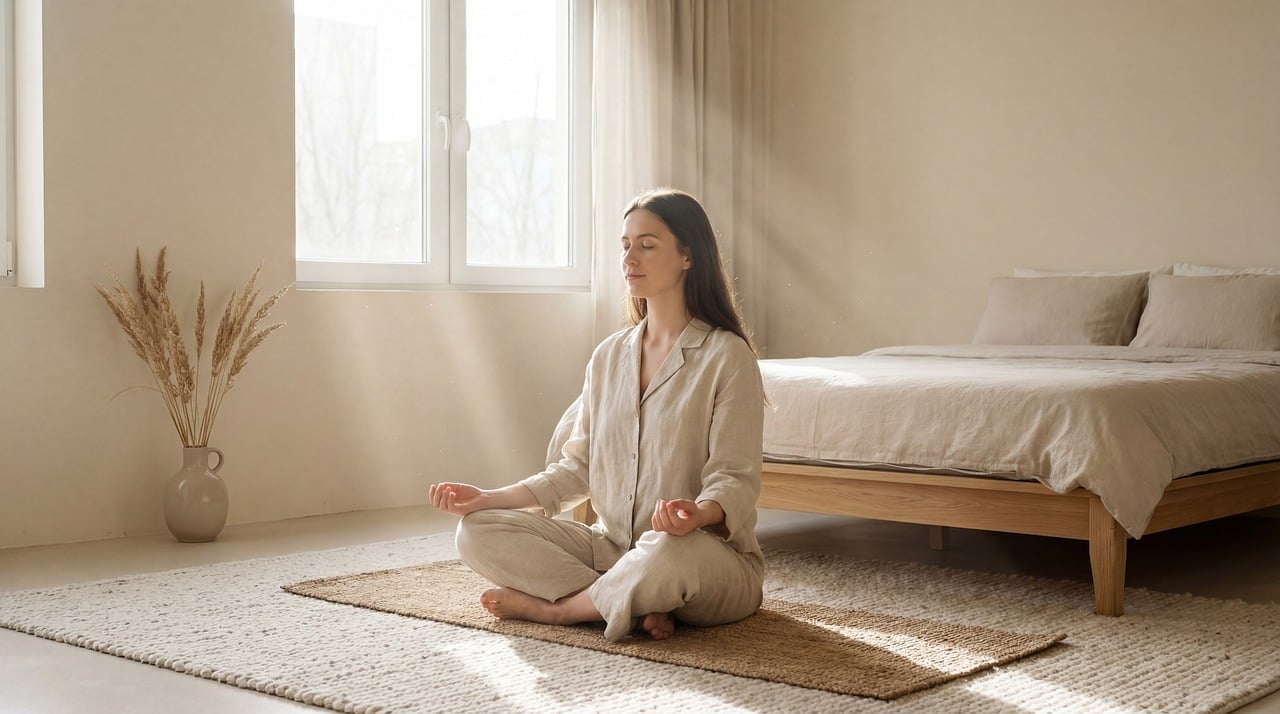
When transitioning from meditation into physical balance exercises, it’s essential to set the right environment. A calm and quiet space can greatly enhance the efficacy of both practices. Practitioners should seek environments free from distractions, which allows for an uninterrupted flow of balance work. Natural settings, such as parks or quiet rooms, can provide ideal conditions for meditation and balance challenges alike. Before starting any balance routine, spending a few moments in stillness can ground the mind and prepare the body. During this time, individuals can set intentions for their practice, focusing on their body’s alignment and stability. Lighting candles or using calming essential oils can amplify the serene atmosphere, creating a sensory experience that supports meditation. Practitioners can also consider incorporating soft music or nature sounds as an auditory backdrop, enhancing peacefulness. As participants cultivate this calming space, it becomes easier to maintain focus and engage with balance exercises meaningfully. The significance of environment underscores the relationship between mindfulness and physical practice, encouraging a deeper connection to balance challenges and enhancing overall performance.
Mindfulness Techniques for Balance Improvement
The effectiveness of meditation in improving balance hinges on specific mindfulness techniques. Engaging in concentration and observation allows individuals to perceive minute shifts in their body while balancing. Mindful observation of weight distribution, for example, can lead to more precise adjustments, optimizing overall stability. Practicing mindfulness during balance exercises involves fully immersing oneself in the sensations of the body, recognizing how different positions affect balance. One technique includes closing one’s eyes during balance tasks; this simple adjustment heightens awareness and challenges the body to respond closely to shifts in weight. Additionally, mindful walking—a practice that combines meditation with movement—encourages awareness of each step and its influence on balance. Going slow during the practice allows for mental acknowledgment of each bodily response and movement. Furthermore, incorporating breath awareness enhances this approach—by synchronizing each breath with movement, practitioners can create a rhythm that supports stability. Such heightened attentiveness fosters better performance and lays the groundwork for sustained balance improvement through consistent practice. Ultimately, these mindfulness techniques nurture a deeper connection between body and mind, improving both balance and coordination significantly.
To maximize the benefits of integrating meditation with balance exercises, consistency is key. Practitioners should schedule regular sessions that include both meditation and balance activities. Developing a routine encourages adherence and cultivates long-term improvements in stability. Regularly practicing balance exercises alongside meditation deepens the connection between physical capabilities and mental awareness, yielding a more significant impact over time. Setting realistic goals for each session can help practitioners stay motivated. For instance, they might aim to improve upon a previously held record or maintain focus for longer durations during meditative practices. Moreover, journaling experiences can facilitate self-reflection and track progress. By noting achievements and emotions during each practice, individuals gain insight into their journey. They learn to celebrate small victories—such as performing an exercise with better form or noticing an improved emotional state. This process empowers practitioners to engage deeply with both their meditation and balance exercises. By actively fostering a nurturing environment, consistency, realistic goals, and self-reflection through journaling can create an empowering atmosphere that supports growth, further enhancing the overall experience.
Conclusion: Achieving Balance Through Mindfulness
Integrating meditation with balance exercises creates a powerful synergy for enhancing both physical and mental capabilities. This combination brings about unique opportunities for personal development, cultivating a holistic approach to balance challenges. Practitioners who adopt this fusion often find that mindfulness enriches their physical activities and brings a sense of peace and purpose. Ultimately, by establishing routines that emphasize regular practice, mindfulness techniques, and self-reflection, individuals can experience lasting changes in their ability to balance. The dimensional growth achieved fosters confidence in various physical activities beyond structured exercises. Increased awareness and stability benefit those with active lifestyles, allowing them to face life’s challenges with poise and grace. As we cultivate motivations based on personal goals, we embody the principles of patience and resilience, key traits that enhance balance outcomes. Through this transformative journey of integrating meditation with balance exercises, practitioners can unlock new levels of achievement in physical fitness and emotional well-being. Therefore, this dual approach not only enriches balance practices but ultimately leads to a more fulfilled and harmonious life.
Having established the profound impact of mindfulness on balance, it is now time for individuals to begin this rewarding journey. Implementing methods learned can unleash an entirely new realm of awareness, stability, and personal fulfillment.