
Bodyweight Exercises for Flexibility in Older Adults
Flexibility is a crucial aspect of overall health, especially in older adults. As we age, our muscles and joints tend to become stiffer, which can limit mobility and increase the risk of injury. Incorporating bodyweight exercises specifically designed for flexibility can significantly improve balance, range of motion, and overall physical performance. Some excellent bodyweight exercises for flexibility include dynamic stretches like arm circles and leg swings, which can prepare the body for more intensive movements. Additionally, incorporating static stretches after a workout helps in improving flexibility and enhancing recovery. Moreover, exercises such as the seated forward bend or the butterfly stretch are particularly beneficial in maintaining joint health and flexibility. Focus on form rather than speed to reap the full benefits, especially in older adults where injury prevention is key. To maintain a regular flexible routine, aim for sessions two to three times weekly. Remember to consult with a healthcare provider to ensure these exercises are suitable for your personal fitness level. With consistency and dedication, older adults can greatly enhance their flexibility through engaging bodyweight exercises, leading to a more active and fulfilling life.
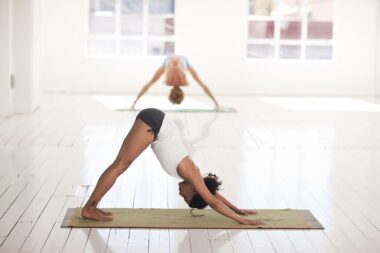
Transitioning to bodyweight exercises can be a great way for older adults to improve flexibility while minimizing injury risks. These exercises often involve the use of one’s own body weight as resistance, which helps maintain and increase muscle tone while improving joint flexibility. Some essential movements include the standing quadriceps stretch and the calf stretch, which target specific muscle groups effectively. Furthermore, incorporating a routine of yoga or tai chi can also enhance flexibility, balance, and core strength. These practices focus on smooth transitions and controlled movements, making them ideal for older adults. By including breathing techniques, these exercises not only improve physical health but also promote mental well-being. Older adults should start with short sessions, gradually increasing the duration as flexibility and comfort improve. A noteworthy point is the importance of warm-up exercises before diving into flexibility routines, to prepare the body and prevent injuries. Practical advice includes using a sturdy chair for support during stretches to maintain stability. It’s equally vital to remain hydrated and listen to one’s body throughout the process. Following these guidelines ensures a safe and effective approach to improving flexibility with bodyweight exercises.
Benefits of Flexibility Exercises
The benefits of flexibility exercises for older adults extend far beyond just improved range of motion. Enhanced flexibility contributes to better posture, which plays a significant role in preventing back pain. For older individuals, maintaining balance is critical, and improved flexibility can help significantly contribute to reducing the risk of falls. Bodyweight exercises that focus on flexibility, like lunges and twists, can also improve coordination and strength. Moreover, these exercises stimulate blood circulation, promoting overall cardiovascular health. Regular practice can alleviate muscle tension, thereby reducing stress levels. By laying the groundwork for a solid flexibility routine, older adults can enjoy a more active lifestyle free from aches and pains. Hands-on stretching exercises such as the hamstring stretch or hip flexor stretch can easily be incorporated into daily practices. Gentle yoga sessions can integrate deep breathing, maximizing relaxation and flexibility benefits. It’s crucial to highlight that the holistic approach should include both mental and physical aspects of fitness. This ensures a positive experience throughout the journey toward improved flexibility and well-being. Providing motivation and support to older adults can lead to long-lasting changes and a general feeling of vitality in their lives.
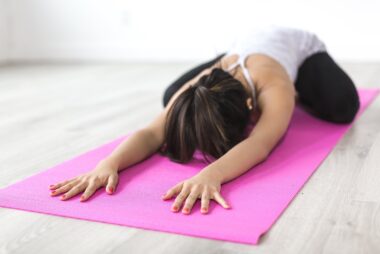
One of the primary concerns for older adults is maintaining joint health, making flexibility exercises essential. Bodyweight exercises such as the cat-cow stretch or side lunges can help to alleviate stiffness in the spine and hips, making daily movements easier. Incorporating consistent stretching routines also plays a vital role in preventing injuries that may impact daily life. Consider starting with simple stretches to promote overall body awareness and flexibility. The lying spinal twist is a fantastic option, allowing for gentle stretching of the back while maintaining balance. These gentle movements encourage blood flow to the joints, enhancing mobility significantly. Additionally, older adults should be aware of their body limits and avoid overstretching, which can lead to injuries. Listening to one’s body during exercises is imperative, as it aids in determining when to push limits and when to rest. Choosing the right environment to perform these exercises, whether indoors or outside, can also impact participation. Ensuring adequate space and safety can cultivate a productive atmosphere. All in all, prioritizing flexibility through bodyweight exercises not only ensures better mobility but also improves life quality for older individuals.
Incorporating Bodyweight Exercises into Daily Routines
Incorporating bodyweight exercises for flexibility into daily routines doesn’t have to be a daunting task. Older adults can seamlessly integrate these exercises into activities they already do, like watching television or waiting for dinner to cook. Utilizing downtime for short stretching intervals can foster flexibility while breaking up prolonged periods of inactivity. For instance, the seated hamstring stretch can easily be performed while sitting on a couch. Additionally, encouraging family or friends to join in these activities can create a fun and supportive environment. Creating a calendar or workout log can also provide structure to an exercise regimen, serving as a motivational tool. It’s crucial to remember that consistency plays a vital role; longer sessions aren’t necessary if frequency is maintained. Encouraging participation in local community classes focused on seniors can also provide additional guidance and social interaction. Engaging in a community offers emotional support and camaraderie. Older adults should also consider working with a physical therapist or trainer specializing in senior fitness for personalized advice. This tailored approach can ensure that exercises not only enhance flexibility but also meet the individual needs and capabilities of older adults.
Creating a supportive environment for engaging in flexibility exercises is paramount. Participation in group classes or online platforms can bring a sense of community, making the process more enjoyable and less isolating. Older adults benefit from sharing their experiences, routines, and challenges, creating a network of support and encouragement. To enhance motivation, consider joining local groups dedicated to senior fitness or wellness. These groups can provide a socially engaging atmosphere, further reinforcing healthy habits. Encouraging friends and family members to participate can also motivate older adults to stay consistent. When levity and fun are associated with exercise, it becomes easier to maintain commitment over time. Additionally, employing technology, such as fitness apps or online videos, can help demonstrate correct forms and techniques for various exercises. It’s important to choose videos suitable for older adults, emphasizing safety and gentle movements to encourage full participation. As older individuals continue on their flexibility journey, it’s vital to keep track of progress to remain motivated. Highlighting achievements, no matter how small, reinforces a positive experience as they continue improving their flexibility and movement, ultimately enriching their lives.
Conclusion and Final Tips
In conclusion, implementing bodyweight exercises for flexibility can significantly enhance the quality of life for older adults. Flexibility exercises not only improve mobility but also provide mental stimulation through social interactions and personal achievements. As seniors discover movement they enjoy, they are more likely to stay committed to their routines long-term. It’s essential to emphasize starting slowly and gradually increasing intensity. The best approach is to remain patient while allowing the body to adapt to new movements over time. Furthermore, older adults must consult with healthcare professionals before beginning any new exercise program to ensure safety and effectiveness. Those recovering from injury or with health concerns should prioritize individualized plans. Incorporating a balance of strength, flexibility, and relaxation exercises can lead to a well-rounded fitness routine. Engaging in group activities, local classes, or even online workouts can provide valuable support. Remember that enjoying the journey is just as important as the destination when it comes to fitness. Older adults who embrace flexibility through these exercises will reap the rewards for many years to come. Celebrate progress, and never hesitate to seek out assistance for guidance and support during the process.
With perseverance and understanding, older adults can successfully achieve improved flexibility through engaging bodyweight exercises. As physical fitness becomes attainable, older adults not only enhance their physical capabilities, but also develop a resilience that empowers them mentally and emotionally. Making small adjustments to lifestyles can make a significant difference, especially when focusing on flexibility routines. By integrating fun exercise options and ensuring safety through proper guidance, older individuals can thrive in their physical endeavors, fostering a lasting well-being. A commitment to these practices also encourages social connections, promoting a sense of community among peers in similar fitness journeys. It’s crucial to acknowledge that everyone progresses at their own pace, and the journey toward improved flexibility is both rewarding and worthwhile. Providing continuous encouragement within family and social circles can foster positive reinforcement, enhancing motivation to maintain an active lifestyle. In essence, bodyweight exercises devoted to flexibility offer an opportunity for older adults to improve their lives comprehensively. Embracing change might seem daunting, but it opens the door to a healthier, more vibrant existence where flexibility leads the way into a fulfilled, active future. By championing awareness of these vital exercises, we can uplift the lives of our older generations.