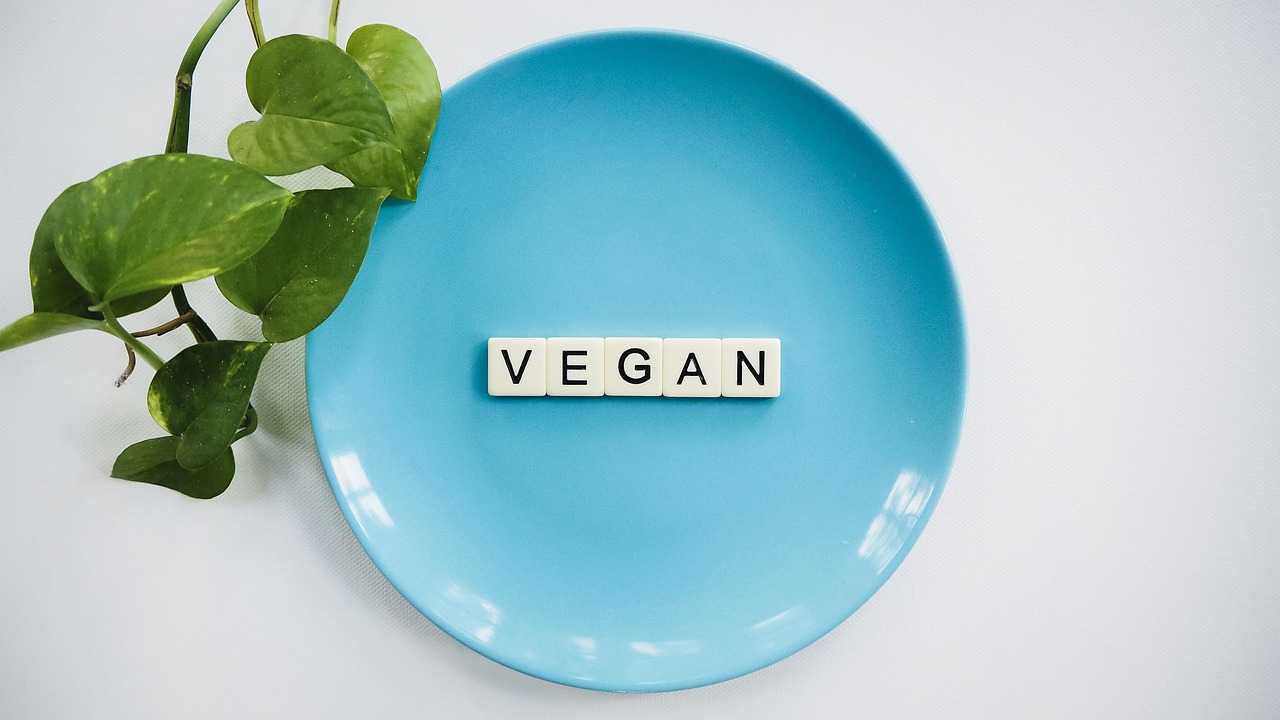

Top Plant-Based Foods for Sustaining a Healthy Weight
Adopting a plant-based diet can be incredibly beneficial for weight maintenance. Such diets focus on whole, unprocessed foods that can help manage cravings and reduce overall caloric intake. One of the best choices for maintaining a healthy weight is legumes, which include lentils, beans, and chickpeas. These foods are high in protein and fiber, providing a sense of fullness with minimal calories. Furthermore, they offer essential vitamins and minerals, making them an excellent addition to any meal. Other beneficial plant-based foods include whole grains like quinoa, brown rice, and oats. These grains provide complex carbohydrates and stabilize blood sugar levels, preventing cravings for sugary snacks. Leafy greens such as kale, spinach, and Swiss chard are also excellent for weight maintenance due to their low calorie density and high nutrient content. Consuming a variety of fruits, like berries, oranges, and apples, can help satisfy sweet cravings while delivering fiber and antioxidants. When aiming for a balanced diet, it’s crucial to incorporate various plant-based options to ensure adequate nutrient intake. The diversity of these foods supports sustainable weight management effectively.
Another fundamental aspect of a successful plant-based diet involves incorporating healthy fats. Foods like avocados, nuts, and seeds can provide the necessary healthy fats that promote satiety while adding flavor to meals. These fats also support heart health, making them an essential element of such diets. By including a modest portion of nuts or seeds in your diet, you can enhance the nutritional value of salads, smoothies, and snacks. Additionally, using healthy oils, such as olive oil or coconut oil, can complement your dishes without overwhelming your caloric needs. This healthy fat inclusion can also help you absorb fat-soluble vitamins from other plant foods, which is crucial for overall health. Moreover, fermented foods like yogurt made from soy, tempeh, or sauerkraut promote gut health through probiotics. A balanced gut microbiome can lead to better weight management by improving digestion and reducing inflammation. Staying hydrated is also pivotal, so don’t forget to incorporate plenty of water into your routine. Well-hydrated bodies function optimally, which is vital for maintaining a healthy weight on a plant-based diet.
Fruits and Vegetables for Weight Management
Fruits and vegetables should be the foundation of any plant-based diet, especially when aiming to sustain a healthy weight. Their high fiber content and low energy density allow for large portions without excessive calorie intake. For instance, leafy greens are incredibly versatile. Whether in salads, smoothies, or stir-fries, they add nutrients and bulk to meals. Vegetables like broccoli, cauliflower, and bell peppers are not only low in calories but also rich in various vitamins and minerals. They support metabolism and overall health, making them invaluable in any weight maintenance strategy. Additionally, fruits like apples, oranges, and berries satisfy a sweet tooth while providing fibers, vitamins, and antioxidants. Snacking on fruits instead of processed snacks can significantly aid weight maintenance. It’s also essential to be mindful of cooking methods; steaming or roasting veggies retains nutrients while avoiding extra calories from frying. Furthermore, rotating seasonal produce can keep meals exciting and encourages diverse nutrient intake. Ultimately, a focus on a wide variety of colorful vegetables and fruits can enhance overall dietary satisfaction and contribute to effective weight management.
Incorporating herbs and spices into your meals can also play a vital role in a plant-based diet for weight maintenance. Not only do these add flavor without additional calories, but many herbs and spices have beneficial health properties. For instance, spices like turmeric and ginger have anti-inflammatory effects, which can assist with physical health. Other herbs and spices, such as cilantro and basil, can enhance the taste of dishes while keeping meals interesting and enjoyable. Another excellent way to sustain a healthy weight is to pay attention to portion sizes. While plant-based foods can be low in calories, larger portions can lead to excess caloric intake. Using smaller plates can help manage portion sizes effectively. Additionally, meal prepping can ensure that you have healthy meals readily available throughout the week, reducing the temptation to indulge in unhealthy options. Emphasizing whole, unprocessed foods can increase satisfaction from meals while enabling better control over calorie intake. Consequently, integrating herbs, spices, and mindful eating practices can encourage enjoyable and sustainable weight maintenance on a plant-based diet.
Importance of Protein Sources
Finding adequate protein sources is essential for those following a plant-based diet and aiming for weight maintenance. Tofu, tempeh, and seitan are excellent protein-rich foods that can replace animal proteins in various dishes. These versatile ingredients can be used in stir-fries, salads, or soups while adding a substantial protein boost. In addition to soy-based options, don’t overlook the power of legumes and pulses as other significant protein sources. Black beans, lentils, and peas are not only packed with protein but also high in fiber, promoting fullness and healthy digestion. Incorporating these foods into your meals can create a more balanced diet that aligns with weight maintenance goals. Another great source of plant-based protein is quinoa. This unique grain contains all nine essential amino acids, making it a complete protein. Quinoa can be used in salads, bowls, or served as a side dish. Nuts and seeds, such as chia seeds, hemp seeds, and almonds, can also serve as protein-rich snacks, preferably in moderation, due to their higher caloric content. Overall, ensuring a variety of protein sources can aid in maintaining muscle mass while supporting weight management in a plant-based diet.
When following a plant-based diet for effective weight management, staying informed about caloric density versus nutrient density is crucial. Nutrient-dense foods provide a wealth of vitamins, minerals, and other essential nutrients while maintaining low calories. On the other hand, caloric-dense foods may contribute to overeating without providing similar nutritional benefits. Most fruits and vegetables fall firmly within the nutrient-dense category, making them the ideal choice for maintaining a healthy weight. It’s also vital to avoid falling into the trap of consuming processed vegan foods that can be high in calories and low in nutrients. Items like sugary snacks, vegan desserts, or processed plant-based meat substitutes often lack beneficial nutrients. Whenever possible, opt for whole foods that are minimally processed. Meals based on grains, legumes, fruits, and vegetables should be prioritized to promote better health outcomes. Meal planning can help manage portion control while enhancing variety in your diet. Furthermore, indulging in plant-based renditions of comfort foods can be satisfying, but moderation is key. Ultimately, building a foundation grounded in whole, nutrient-dense foods will lead to successful weight management.
Conclusion and Sustainable Practices
In conclusion, adopting a plant-based diet that emphasizes whole foods can greatly assist in sustaining a healthy weight. By focusing on a rich variety of fruits, vegetables, whole grains, legumes, nuts, and seeds, individuals can enjoy a satisfying and nutritious way of eating. Incorporating healthy fats while being mindful of portion sizes can promote weight maintenance without compromising flavor and enjoyment. Additionally, utilizing herbs and spices can enhance meals while keeping calories in check. Remember, variety is essential not only for nutritional balance but also for long-term adherence to a plant-based lifestyle. Setting achievable goals and continuously educating yourself about healthy eating patterns can make it easier to stay motivated. Making incremental changes rather than opting for drastic dietary shifts can lead to sustainable practices over time. Engaging in regular physical activity alongside your plant-based diet can further facilitate weight loss and maintenance goals. Ultimately, embracing the principles of a plant-based diet creates an enjoyable journey towards better health and weight management, ensuring that every meal is an opportunity to fuel your body optimally.
Remember that weight maintenance is not merely about restriction or extreme dieting but rather finding joyous and healthy ways to nourish your body. The choices made within a plant-based framework can significantly affect overall well-being and long-term health outcomes.