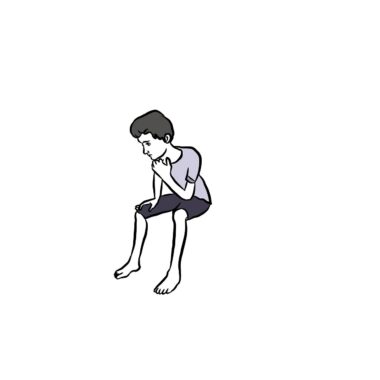

How to Recognize and Fix Poor Posture
Many individuals underestimate the impact of poor posture on their overall health and well-being. Correct posture involves maintaining the right alignment of the spine, which affects every part of the body. When you slouch or hunch over, you can strain your muscles and ligaments, which can lead to chronic pain and discomfort. Identifying poor posture is the first step towards correcting it, and many people are unaware of their habits. Notice if you often find yourself leaning forward while sitting or if your shoulders are hunched. These are significant indicators of poor posture. Additionally, discomfort in the neck, back, or shoulders may also be linked to improper alignment. The longer you maintain incorrect posture, the more difficult it can be to revert to a healthier stance. However, adopting simple practices can reverse these habits effectively. Regularly checking in with your body alignment and making adjustments can establish better habits. Furthermore, incorporating stretches can alleviate accumulated tension due to prolonged poor posture. More importantly, be aware of your ergonomic positioning while working, especially in our increasingly sedentary lifestyles. Integrate these practices into your everyday routine for lasting benefits.
One of the most effective methods to combat poor posture is to strengthen core muscles. A strong core acts as a natural stabilizer for your torso, protecting your spine from strain. This means that exercises targeting your abdominal, back, and pelvic muscles are essential. Plank exercises, abdominal curls, and back extensions can significantly help improve your posture. Regular practice not only strengthens these areas but also increases your awareness of body alignment. Additionally, incorporating yoga or Pilates into your routine can enhance flexibility and teach better posture habits. These activities emphasize body awareness and control, promoting proper posture naturally. Beyond exercises, consider your workspace. Ergonomics is crucial; ensure that your desk, chair, and monitor are appropriately arranged. Your chair should support your lower back, with feet flat on the floor. The monitor should be at eye level to prevent neck strain. It’s vital to take regular breaks from sitting, allowing your body to reset. Standing or stretching every hour can significantly reduce stiffness and discomfort. Integrating these practices eases the transition into better posture habits. Make conscious efforts to implement these changes throughout your day. Better posture leads to improved health and overall quality of life.
Consequences of Ignoring Poor Posture
Neglecting poor posture can lead to serious long-term complications. Chronic pain is perhaps the most common side effect, manifesting in muscles and joints that are consistently misaligned. Over time, this can develop into more severe conditions, such as spinal disc issues or osteoarthritis. Additionally, poor posture can negatively affect respiratory efficiency and digestion. When your body is hunched, your lungs and digestive organs become constricted, limiting their full potential. This can lead to conditions like acid reflux or reduced lung capacity. Furthermore, posture impacts mood and energy levels. Research indicates that standing tall can lead to improved confidence and even better mood, while slouching is often associated with feelings of fatigue and depression. Visual cues matter; safe body language can elevate how one is perceived by others, influencing social and professional interactions. This emphasizes the importance of body language and posture in daily life. To mitigate these risks, it’s crucial to adopt awareness and proactive measures. Engaging in regular physical activity and practicing mindfulness about your posture can lead to gradual yet substantial changes. Heightened self-awareness facilitates a sustainable journey toward correct posture.
Supportive footwear also plays a significant role in maintaining good posture. Investing in quality shoes can have a profound impact on body alignment. High heels and poorly constructed shoes can throw off your balance, leading to compensatory posture changes. On the other hand, shoes with proper arch support can alleviate strain from standing or walking. Similarly, ensure that your mattress and pillows promote healthy spinal alignment during sleep. Lack of support can exacerbate posture problems, especially if you sleep on your side, back, or stomach. You must maintain the right body alignment even while resting, as quality sleep is essential for recovery. As you awaken, taking a few moments to stretch your body can promote flexibility and blood circulation. Engaging in gentle stretches can also prepare your muscles to support your daily activities. Integrating these considerations into your lifestyle actively contributes to better posture. Over time, these habits add up to create a supportive environment for your spine. By prioritizing proper footwear and supportive sleep equipment, you are tackling multiple facets of posture correction simultaneously. Combining these practices leads to long-term improvements in physical health and comfort.
Practical Steps for Daily Improvement
To further enhance your posture during daily activities, consider making small adjustments. For instance, when sitting at your desk, utilize ergonomic furniture and devices to support good alignment. A standing desk can promote more active engagement with your work while reducing the tendency to slouch. Ensure that your elbows rest at a 90-degree angle, and your wrists are straight while typing. Additionally, use a chair that encourages proper posture; backrests should support the natural curve of your spine. This minimization of strain will help prevent discomfort and pain. In meetings or while on the phone, practice standing or walking around to stay more active. Integrating movement into your day encourages muscle engagement, countering the sedentary lifestyle often experienced in workplaces. Throughout the day, try setting reminders to check in with your posture, allowing yourself to adjust as needed. Posture is often an unconscious habit, so elevating awareness is crucial. The cumulative effect of these adjustments can lead to noticeable improvements. Make it a point to self-assess regularly, and do not underestimate the impact of proper posture on your health and productivity. Better posture not only looks good but also feels fantastic!
Consider mindfulness techniques to support your posture journey actively. Activities such as meditation and breathing exercises can help center your mind while also fostering body awareness. When you practice mindfulness, you not only cultivate relaxation but become attuned to the subtle changes in your body. This increased awareness can signal when you are veering into poor posture, allowing you to correct it effectively. Daily practice helps reinforce good habits, merging mindfulness with physical health. Engaging in breathing exercises also strengthens your core while encouraging proper alignment. Focus on deep breathing; imagine filling your lungs evenly while sitting or standing. As you inhale, pay attention to your posture, bring shoulders back, and visualize a straight line from head to toe. Over time, these mindfulness techniques can become a natural part of your routine. Remember that improving posture is a continuous journey. Embrace gradual changes, celebrating each small victory on your path. Sustaining mindfulness means you will remain aware and proactive. Ultimately, the integration of mindfulness techniques strengthens the quality of your posture while enhancing your overall well-being.
Conclusion: The Path Forward
Your journey towards recognizing and fixing poor posture is ongoing and essential. The knowledge of how posture affects your health is a powerful motivator for change. Embrace each of these strategies to develop a comprehensive approach to improvement. Remember to integrate daily exercise, ergonomics, and body awareness into your routine. Monitor how your habits evolve over time. This awareness itself can lead to remarkable transformation, enhancing your quality of life. Also, consider connecting with professionals, such as physical therapists or chiropractors, for personalized guidance. They can offer tailored exercises and stretches specifically for your lifestyle, further supporting your journey to correct posture. Consistently gather information on effective techniques, adapting them as necessary for your daily life. Patience and persistence are crucial in your path toward posture improvement. Changes won’t happen overnight, but consistency is invaluable. Start small, and focus on making incremental and achievable goals. Over time, these small efforts will culminate in lasting improvements. Your body deserves the care and respect that comes from maintaining good posture. Prioritize yourself, and you will reap the benefits for years to come.
In summary, recognizing and correcting poor posture can lead to enhanced well-being in multifaceted ways. The pivotal understanding of your body’s alignment creates a foundation for ongoing improvement. When focused on establishing effective posture practices, prioritize awareness, exercise, and ergonomics. Each of these areas contributes significantly to your overall posture health. As you begin to notice the changes, stay committed to maintaining these habits in everyday activities. In a world filled with distractions, mindful engagement with your body is more necessary than ever. Learning how poor posture affects you and implementing strategies to correct it is vital for long-term health. The path to good posture is a journey of continual learning and adjustment. So make a plan today: identify your goals, execute targeted exercises, and reinforce positive awareness daily. As your body responds positively, consider sharing your knowledge to help others on their similar paths. Together, by spreading awareness on the importance of proper posture, we can build a healthier environment for all. Ultimately, improved posture is not just an aesthetic change, it fundamentally transforms how we engage with our daily lives. Invest in your well-being with these practices, and feel the difference.