
Yoga-Based Exercises to Support Healthy Spine Posture
A healthy spine posture plays a critical role in our overall well-being. One effective way to improve posture is through yoga-based exercises that emphasize alignment, strength, and flexibility. These practices help cultivate an awareness of body mechanics, thereby fostering better spinal health. Incorporating yoga into your routine can ease common posture-related discomforts, enhance mobility, and promote a more balanced bodily alignment. Keeping your spine aligned optimally not only alleviates pressure on surrounding muscles and ligaments but also ensures that your internal organs function efficiently. Furthermore, engaging in regular yoga sessions stimulates blood circulation, contributing to heightened energy levels throughout the day. Maintaining an upright posture while sitting and standing can become second nature with consistent practice. With numerous yoga positions designed to fortify the core and improve posture, even beginners can quickly learn to integrate these techniques into their daily lives. Moreover, one should remember to be patient when beginning this journey. Every participant’s journey towards optimal spine health will vary, making it essential to personalize your practice to suit your individual needs and comfort levels.
Some beginner-friendly yoga poses for posture improvement include Mountain Pose and Cat-Cow Stretch. These foundational poses help develop strength and flexibility in various muscle groups, focusing on the back, abdomen, and shoulders. Regular practice of these postures enhances awareness of the spine’s alignment. Further, they reduce muscle tension in the upper body, which is essential for achieving an open and upright posture. In addition to physical benefits, practicing these poses mindfully cultivates a sense of calmness and relaxation. Combining breath with movement leads to greater body awareness and mindfulness after a long day of work or study. To practice Mountain Pose, stand tall, feet together, shoulders relaxed, and arms at your sides. Focus on grounding through your feet while reaching upward. Alternatively, while performing Cat-Cow Stretch, alternate between arching and rounding your back. This gentle movement helps to release spinal tension. As you deepen your practice, you may explore more advanced poses that continue supporting your spinal health. With regular dedication, these yoga-based exercises will instill better posture habits, paving the way for long-lasting benefits.
The Role of Core Strength in Posture
Core strength is crucial when addressing posture and spinal alignment. Engaging the core muscles enhances stability and balance, allowing for proper support during dynamic movements and static positions alike. By focusing on this area, you not only improve posture but also reduce the risk of injury both during yoga practice and everyday life. Key yoga poses that strengthen the core include Plank Pose and Boat Pose. These poses engage multiple muscle groups while promoting the awareness necessary for maintaining an extended spine. Practicing Plank helps build overall strength in the abdominals, obliques, and lower back muscles. On the other hand, Boat Pose requires proper alignment and balance, further enhancing core stability. It is essential to maintain correct form during these poses to avoid unnecessary strain. Alongside these core-centric positions, including various balancing poses, such as Tree Pose, can complement your practice by reinforcing muscle coordination and focus. Remember to concentrate on controlled breathing and posture alignment while executing these positions, as this mindfulness encourages improvement over time. By developing core strength through yoga, you’ll cultivate the physical foundation necessary for sustainable posture solutions.
Incorporating breathwork (pranayama) into your yoga practice can significantly enhance your ability to maintain proper posture. Breath control helps to calm the mind and body while providing the necessary support needed during challenging poses. Awareness of the breath fosters a deeper connection to your body, guiding your movements and encouraging relaxation. A common technique to start with is the Ujjayi breath, which creates a sound while inhaling and exhaling through the nose. This practice facilitates mindfulness and aids in synchronizing breath with movement. Mastering breathwork also cultivates greater body awareness, enabling you to notice when your posture may falter or tighten. Additionally, experimenting with techniques like Nadi Shodhana or Alternate Nostril Breathing can help to reduce stress, ultimately preserving your body’s alignment. As you progress through various exercises, focus on the rhythm of your breath while maintaining awareness of your spine’s alignment. Consistent breath control promotes relaxation and concentration, positively impacting your overall experience. By integrating breathwork into your routine, you can create a holistic practice that supports spine and posture improvement.
Stretching for Posture Enhancement
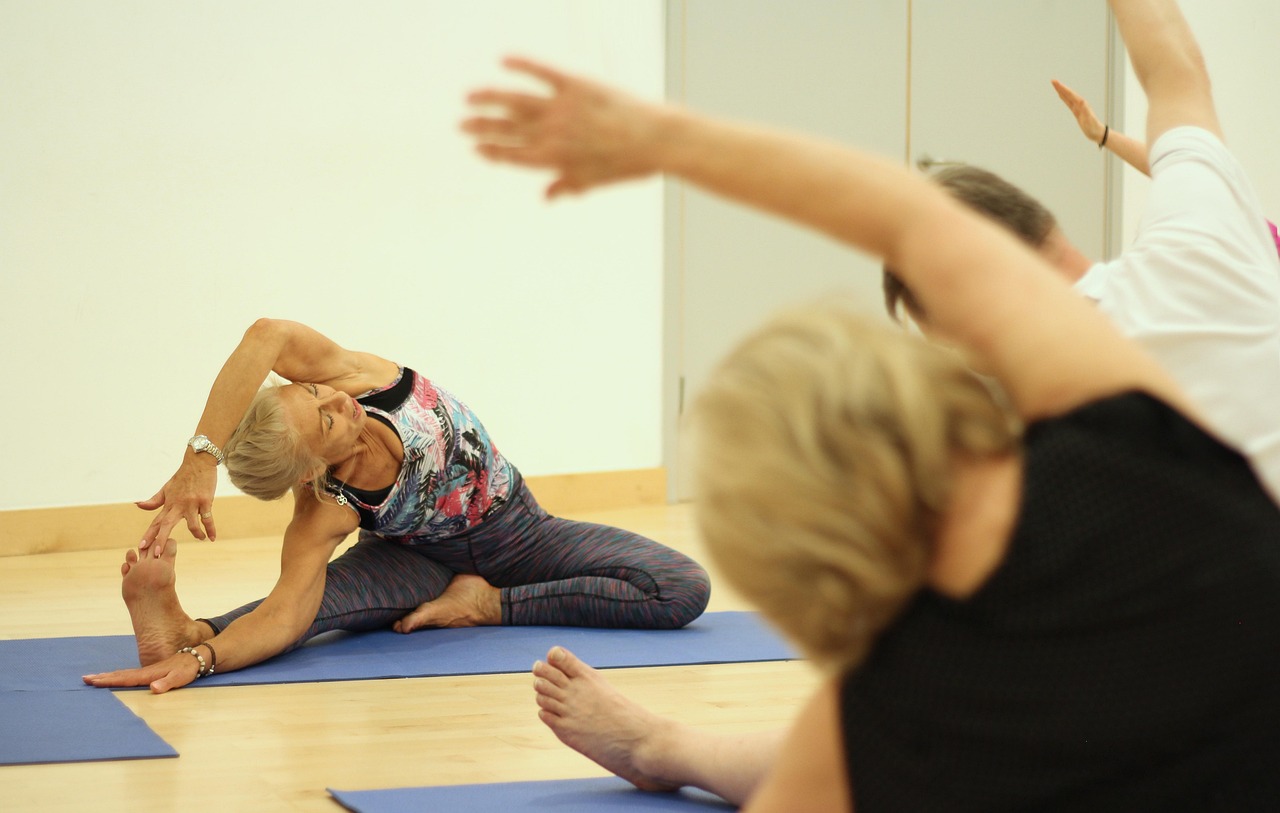
A vital aspect of yoga practice involves stretching, which can help combat muscle tightness and imbalances contributing to poor posture. Engaging in regular stretching exercises can significantly improve flexibility and range of motion, both of which are crucial for proper spinal alignment. Yoga poses such as Downward Facing Dog, Seated Forward Bend, and Cobra Pose can assist in releasing tension areas in the back and hips while also promoting spinal extension. These targeted stretches relieve stiffness and discomfort, making it easier to maintain a balanced, upright posture throughout the day. With practice, you’ll notice improved mobility and reduced tightness in the cascading muscle groups. Stretching techniques alongside strengthening exercises create a comprehensive approach to posture improvement. Remember that holding stretches is just as important as the poses themselves, allowing your body to gradually release and relax deeply. Setting aside dedicated time for stretches ensures that you consistently promote elasticity in the muscles, which fosters overall improved posture. To maximize the benefits, remember to breathe deeply during your stretches, as this enhances relaxation and completes the mind-body connection necessary for effective posture enhancement.
With the knowledge of specific yoga-based exercises, anyone can implement these strategies to support healthy spine posture. Practicing yoga consistently allows for gradual improvements that lead to long-lasting benefits. It is important to listen to your body and progress at a pace that feels comfortable. Start by dedicating just a few minutes a day to practicing basic yoga poses and gradually build up the duration and intensity of your sessions. Utilize online resources or attend classes led by experienced instructors to gain understanding and support. Engaging with a supportive community or finding a yoga buddy can also enhance motivation. Stay committed to your practice, and don’t hesitate to modify poses to suit your individual needs. Improvements might be subtle at first, but with each session, you’ll cultivate greater awareness of your posture. Over time, you will notice less discomfort, more energy, and overall enhanced bodily alignment. Sustaining a practice will help reveal the many interconnected benefits that yoga offers, not just for spine posture, but for overall physical and mental wellness.
The Importance of Consistency in Practice
Consistency is paramount during your journey towards improved posture through yoga. Engaging in yoga-based exercises regularly creates a solid foundation for lasting transformation. To reap the most benefits from your practice, develop a routine that fits into your lifestyle seamlessly. The key is to dedicate a specific time each day, whether in the morning to energize or the evening to unwind. Short sessions can be remarkably effective. Regular yoga sessions, even if brief, help reinforce muscle memory and increase awareness of body alignment. Over time, the cumulative effect of practicing regularly will lead to better posture and healthier spinal alignment. Keeping a yoga journal can also assist in tracking your progress and discovering what works best for your body. Various resources, such as mobile apps, video tutorials, or community classes, can provide additional support to maintain consistency. Remember to celebrate small victories—each time you practice, you’re investing in your health and well-being. With conscious dedication, you can establish a fulfilling and enjoyable routine that will facilitate lasting improvements in your posture.
Ultimately, yoga-based exercises serve as preventative measures against various posture-related issues people face today. When performed consistently, these practices provide a wealth of benefits that extend beyond mere physical appearance. They help you become more aware of your body and its alignment, which can be invaluable in negotiating the demands of daily life. As your emotional and physical states improve, you may find an increase in overall well-being and happiness. Transforming your posture through yoga has the potential to change your life, as it enhances concentration, alleviates discomfort, and contributes to a greater sense of personal empowerment. Personalized practices, supported by the understanding of aligned movements and the breath’s rhythm, will guide your journey toward ultimate balance. Prioritize patience throughout this process—it may come with time, but the rewards are substantial. Share your advancement with fellow practitioners and allow their journeys to motivate you. Dive into this enriching practice with curiosity and openness. Healthy spine posture is not only a goal but a valuable state of being that reaffirms strength, resilience, and harmony in your life. Embrace the transformative power of yoga and invite its healing energy into your routine!