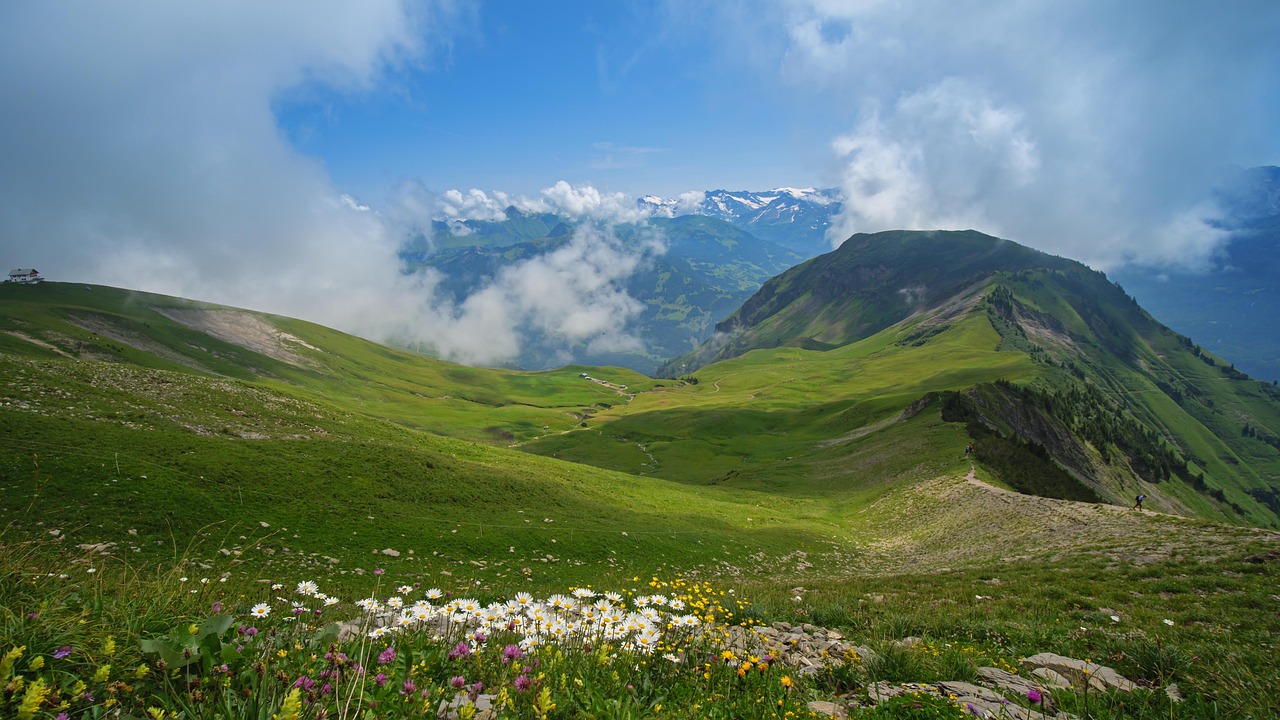

How to Identify Local Flora and Fauna on Trails
When you set out on a hiking trip, one of the most engaging aspects is identifying the flora and fauna around you. Observing plant life begins with understanding the basics of botany. Familiarize yourself with common local trees, shrubs, and flowers. Utilize field guides or mobile apps that provide detailed descriptions and images to aid in identification. Look for specific characteristics, such as leaf shape, bark texture, and flower color. Take notes or photographs of plants to enhance your learning. Understanding the local ecosystem will strengthen your connection to nature and improve your hiking experience. Along the trails, you may notice animal tracks, droppings, nests, or even the creatures themselves. Many resources are available, including field guides dedicated to wildlife identification. Remember to respect the wildlife you encounter; maintain a safe distance and observe without disturbing their natural behavior. When trudging through the wild, be vigilant, and learn to be present. This awareness will allow you to appreciate the diversity of plant life and animals, enhancing both your knowledge and the joy of your outdoor adventures.
As you hike, embrace the flora around you by engaging in specific plant identification techniques. Begin by observing plants during different seasons, as they change appearance considerably. This will build familiarity with seasonal variations among species. Another effective technique is to memorize the major local plant families, such as Asteraceae (daisies) or Fabaceae (legumes). These families contribute greatly to biodiversity in environments. Utilizing simple notes during hikes can significantly enhance your understanding. For example, jotting down the color of flowers or the height of plants can create lasting mental connections. Engage with local hiking groups or nature clubs to expand your knowledge from seasoned hikers. They can share insights about their identification experiences, enriching your own. Reaching out to online forums or social media groups focused on outdoor activities can broaden your resources. Remember, practice makes perfect! The more time you spend observing local flora, the more skilled you will be at identifying them in the future. Make this a fun part of your hikes, sharing information with friends or family along the trail, fostering an enjoyable learning environment.
Recognizing Wildlife
Identifying wildlife can be just as rewarding as identifying plants while hiking. Many trails feature a rich array of animals that inhabit various ecosystems. To increase your chances of spotting wildlife, venture out during early morning or late afternoon when animals are most active. Pack binoculars for a closer look, allowing you to observe creatures without disrupting their routines. Start by familiarizing yourself with common local birds, mammals, and reptiles. Use apps or field guides that feature images and calls to help you identify them. Pay attention to unique physical traits or behaviors, such as bird songs or nesting habits. Additionally, being quiet and patient while hiking significantly improves your chances of encountering wildlife. Look for signs, such as tracks, feathers, or fur, and learn what they can reveal about an animal’s habits. Educating yourself about an animal’s diet or habitat can further enhance your identification skills. Remember to always respect wildlife; never approach too closely, and give animals space. Observing them in their natural surroundings is a beautiful aspect of outdoor exploration and will create wonderful memories on every hike you take.
Trail etiquette is vital when enjoying the great outdoors and identifying flora and fauna on your hikes. Practicing Leave No Trace principles should be high on your priority list. This means leaving the environment as you found it, ensuring native plants and wildlife are preserved for future generations. So, avoid picking flowers or disturbing animal habitats while exploring. Also, adhere to established trails to minimize environmental impact, allowing plants and wildlife to thrive in their natural habitats. Share trails with fellow hikers, cyclists, and wildlife enthusiasts, as cooperation promotes a welcoming atmosphere. If you encounter wildlife, remain calm and back away slowly without making loud noises. This will help keep both your experience and theirs safe. Additionally, consider volunteering for local trail maintenance programs. This direct involvement benefits the local environment and community. By working together, we enhance our understanding of hiking duties and responsibilities while enriching our encounters in nature. Adopt an attitude of respect and curiosity as you explore, fostering a deeper appreciation for the ecosystems surrounding you and the important role they play in overall biodiversity.
Documenting Your Discoveries
To maximize your outdoor learning experiences, consider documenting your discoveries while hiking. Maintaining a nature journal is an excellent way to keep track of plants and animals you encounter on your journeys. Include sketches or photographs that capture unique features of flora and fauna, along with notes about where and when you spotted them. This documentation will create a personalized reference resource, much like an ongoing field guide tailored to your local area. Sharing your notes with friends or family members who join you on hikes makes for fun discussions and shared learning opportunities. Encourage children to participate, too; engaging the younger generation fosters a love for nature. Digital applications can also aid in documenting sightings. These platforms often allow users to log identified species and geographical locations; this can be particularly helpful for tracking the changing seasons and biodiversity trends. By documenting your hiking experiences, you contribute to a larger understanding of local wildlife through citizen science initiatives. Engage with local naturalist groups or participate in community science projects to share your findings; this enhances your connection to the environment and educates others as well.
Moreover, getting involved in local conservation efforts can promote appreciation of local flora and fauna as well. Many organizations focus on wildlife preservation and habitat restoration. Volunteer programs often lead to guided hikes, workshops, and other educational experiences. Connecting with like-minded individuals creates a sense of community and shared learning. Research conservation groups in your area to find opportunities that resonate with your interests. Participation in citizen science projects may allow you to collect valuable data about local ecosystems while hiking. Some organizations seek volunteers for wildlife monitoring projects, helping researchers gather essential information. Engaging in these activities deepens your understanding of the local environment and its challenges while actively participating in its preservation. Conservation work can also highlight interdependence in nature, emphasizing that every species and habitat contributes to ecological health. Therefore, whenever you hike, consider ways you can contribute positively to the environment. Approach each outing with a mindset of exploration and stewardship, ensuring that the hiking trails and their inhabitants remain protected for future adventurers to appreciate and enjoy.
Conclusion
In conclusion, enhancing your outdoor hiking experiences involves actively identifying local flora and fauna. Gaining knowledge and developing skills will deepen your appreciation for the natural world, transforming casual outings into rich learning experiences. Remember that the journey is more insightful when you engage with your environment. Understanding plant and animal interactions creates a holistic view of ecosystems, revealing the importance of conservation. Techniques such as maintaining a nature journal, using field guides, and engaging with local conservation efforts will significantly enrich your hiking adventure. Pay attention to trail etiquette, practicing responsible behavior towards plants and animals, to help create a sustainable environment. Also, remember to document your discoveries, as each hike offers new insights into local ecosystems. Seek out community workshops, volunteer opportunities, and groups that share your interests to expand your learning further. With dedication and curiosity, every hike can become an exciting quest for knowledge and connection with nature. Share your discoveries with others to inspire them to explore and protect local ecosystems. Transform your hiking trips into educational adventures that celebrate the beauty and diversity of the outdoor world, ensuring this joyful interaction endures for generations to come.
In summary, identifying local flora and fauna during your trails opens a world of discovery and appreciation, enhancing your overall hiking journey. Use the tips provided within these paragraphs to deepen your understanding and enjoyment of nature. Each encounter with a plant or animal teaches valuable lessons about ecology, fostering a profound respect for our environment. Whether it’s recognizing the vibrant hues of wildflowers or the subtle signs left by wildlife, every detail contributes to the adventure. Consider involving others in your explorations, fostering community and shared experiences. Encourage conversations during hikes, as discussing discoveries deepens understanding and cements memories. This approach fosters not only learning but also camaraderie among fellow hikers. If you ever feel overwhelmed by the vast information available, remember to take it step by step. Focus initially on a few species before expanding your knowledge. Nature requires patience and dedication, which will reward you in insights and experiences. Cherish every hike as an opportunity to learn something new, nurturing your relationship with the earth. With practice, you’ll find yourself becoming a more adept observer of the natural world around you. Happy hiking and enjoy the journey ahead!