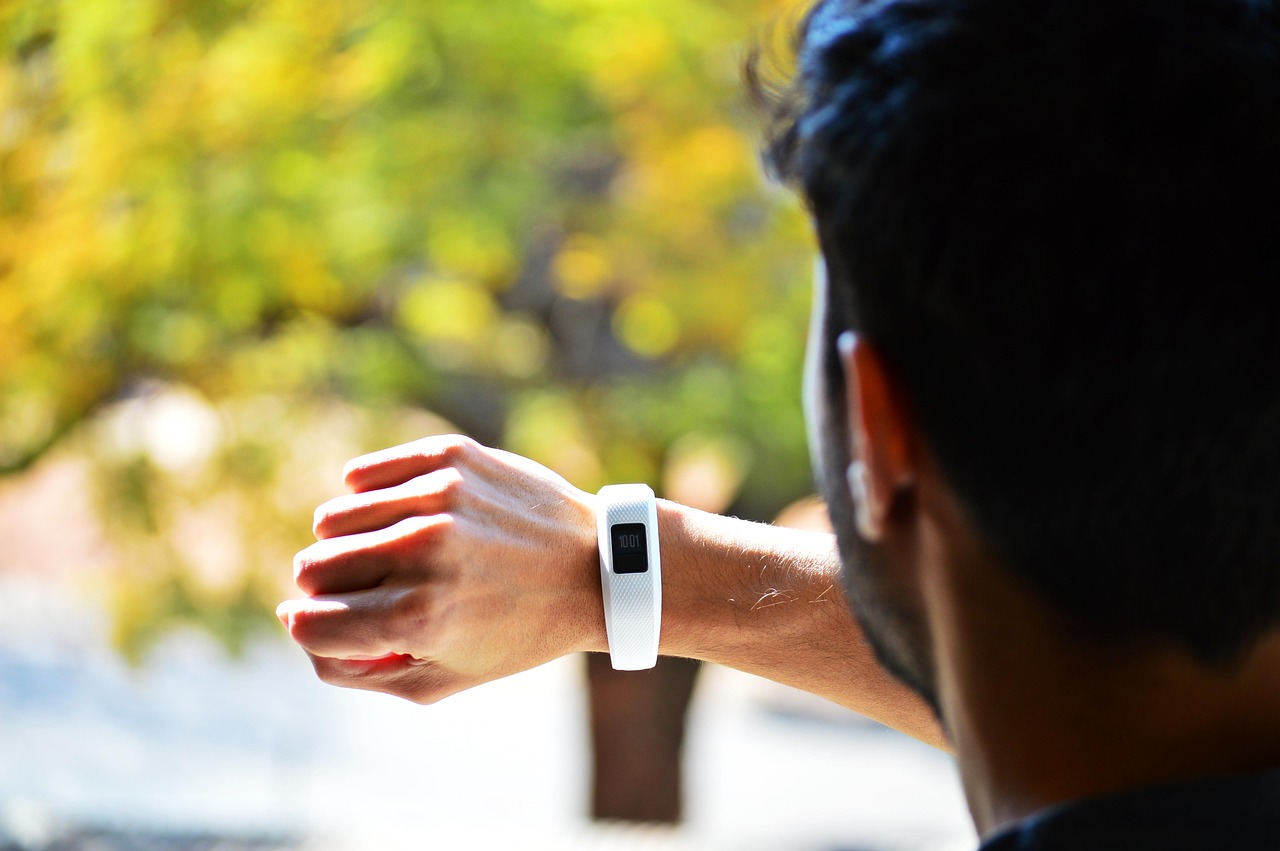

Tracking Physical Activity to Combat Chronic Disease Progression
In today’s health landscape, chronic diseases pose significant challenges globally. These diseases, which include conditions like heart disease, diabetes, and obesity, require constant monitoring and management. Tracking physical activity is essential in combating their progression and improving overall health. By utilizing health monitoring devices, individuals can gain invaluable insights into their activity levels, helping to manage their conditions more effectively. These devices enable users to set personalized goals, track the calories burned, and monitor their steps throughout the day. Moreover, real-time feedback motivates users, fostering a more active lifestyle. Comprehensive monitoring tools are not just for fitness enthusiasts; they are crucial for those managing chronic diseases. They provide data that can be shared with healthcare providers, facilitating more tailored treatment plans. With the integration of technology, maintaining a balanced lifestyle has become more accessible than ever. People can leverage these devices to not only combat chronic disease but also enhance their overall health and longevity. Understanding the importance of tracking physical activity is the first step toward a healthier future for millions worldwide.
Effective management of chronic disease often involves tracking various health metrics. Health monitoring devices play a pivotal role in this aspect, enabling individuals to measure their physical activity accurately. These devices, ranging from smartwatches to fitness trackers, record numerous parameters, including heart rate, number of steps, and calories burned. Users can create personalized fitness goals based on their data, leading to significant lifestyle changes. Studies show that maintaining an active lifestyle helps reduce the risk of complications associated with chronic diseases. Individuals can also identify patterns and triggers, which promote better decision-making regarding their health. Statistics reveal that a rise in physical activity corresponds with improved health outcomes, highlighting the effectiveness of these tracking devices. Moreover, many devices come equipped with reminders and alerts, which encourage users to stay active throughout the day. They can even sync with smartphones, providing a holistic view of one’s health status. Adopting such technology can empower individuals to take charge of their health, promote accountability, and support adherence to prescribed exercise regimens. In essence, these devices serve as essential tools in the chronic disease management toolkit, significantly enhancing quality of life.
The Benefits of Monitoring Physical Activity
Regular physical activity provides myriad benefits, particularly in the context of managing chronic diseases. Engaging in consistent exercise can enhance cardiovascular health, improve blood sugar levels, and boost mental health. These health-monitoring devices serve as constant motivation for individuals aiming to lead healthier lives. For many, having tangible data helps visualize their progress and encourages them to meet their targets. In addition to encouraging physical activity, monitoring devices can also illustrate patterns over time, allowing users to recognize what works best for them. For those focused on weight management, data from their devices can highlight caloric intake versus expenditure. This information is pivotal for making informed dietary choices. Furthermore, tracking physical activity can help prevent the onset of additional health issues often associated with chronic diseases. Individuals can also experience a reinforced sense of accomplishment as they achieve their fitness milestones. Such positive reinforcement is crucial in establishing long-lasting behavior changes. As users become more aware of their health, they often start seeking further improvement opportunities, leading to a holistic approach to health management.
Healthcare professionals are increasingly leveraging data from health monitoring devices to inform treatment plans. Chronic disease management often involves a multidisciplinary approach, where patient-reported data from devices complements clinical assessments. For physicians, access to continuous health metrics allows them to make more accurate decisions, leading to optimized treatment regimens. Real-time data can uncover trends that patients may not recognize, ensuring timely interventions whenever necessary. Additionally, these devices can encourage greater communication between patients and their healthcare providers, fostering a collaborative approach to care. For instance, individuals using tracking devices may provide their doctors with real-time updates on activity levels, which can influence medication dosages or lifestyle recommendations. As the healthcare system transition towards value-based care, these monitoring devices are anticipated to play an even more prominent role. They empower patients and practitioners to work together in cultivating successful health outcomes. Moreover, reducing hospital readmissions and complications is often a goal of chronic disease management, making these devices invaluable resources. Ultimately, the integration of technology into routine healthcare promotes patient empowerment and encourages healthier living practices.
Challenges and Considerations in Tracking
Despite their advantages, tracking physical activity using monitoring devices comes with its challenges. Users may experience technical difficulties, such as device malfunctions, inaccurate data readings, or connectivity issues. These problems can lead to frustration and may diminish an individual’s motivation to maintain their physical activity. Furthermore, relying exclusively on technology can result in overlooking fundamental aspects of health management, such as emotional well-being and social interactions. Balancing device usage with real-life experiences is crucial in achieving holistic health. There are also potential privacy concerns as health data collected by these devices may be shared or sold without explicit consent from users. It is essential to understand privacy agreements and the extent of data sharing permissible. Additionally, the ever-evolving technology landscape means that users must stay informed about updates and best practices to maximize their device’s functionality. Education about these tools is paramount, as many individuals may not fully understand how to utilize all features effectively. With continuous education and awareness, users can stay engaged while navigating the challenges associated with health monitoring technologies.
The impact of tracking physical activity transcends individual health benefits. By promoting regular exercise, communities can collectively reduce the prevalence of chronic diseases. Health monitoring devices encourage social engagement, fostering supportive groups where individuals share their goals and achievements. This social aspect significantly boosts motivation and can create a strong network of encouragement, often leading to better adherence to exercise regimens. Many fitness apps now incorporate social features, allowing users to share progress and compete with friends or join challenges. This sense of community creates accountability and drives individuals to maintain their commitments. As cities adopt smart technology integrating health initiatives, public health campaigns increasingly advocate for increased physical activity levels. Communities that embrace fitness tracking through devices are seeing a cultural shift toward healthier living practices. Schools, workplaces, and local organizations can also utilize these technologies to promote wellness initiatives. As awareness about chronic disease and the need for preventive measures grows, leveraging the collective efforts of communities will cultivate a healthier population. Ultimately, the combination of personal tracking with community support can lead to impactful results, empowering individuals and society as a whole.
The Future of Health Monitoring Devices
As technology continues to advance, the future of health monitoring devices appears promising. Innovations such as artificial intelligence, machine learning, and improved data analytics will enhance the functionalities of these devices. Integration with telehealth services provides an excellent opportunity for remote consultations, ensuring continuous support for individuals with chronic diseases. The development of more sophisticated sensors will allow for more accurate tracking of various health indicators beyond physical activity, such as hydration levels, stress, and sleep patterns. Furthermore, advancements in battery life and wearability will make these devices more user-friendly and accessible. Customized health recommendations based on real-time data will enable users to make informed decisions regarding their lifestyle choices. As technology democratizes healthcare, a broader population can engage in managing their health, particularly in underserved communities. However, it is crucial to remain vigilant about the ethical considerations associated with this technology, ensuring that user privacy and consent are prioritized. Collaboration between tech companies, healthcare providers, and regulatory agencies will be essential in shaping a future where monitoring devices are both effective and secure. The evolution of health monitoring devices promises to revolutionize chronic disease management and promote well-being.
In conclusion, the importance of tracking physical activity cannot be overstated in managing chronic diseases. As we embrace technology, health monitoring devices emerge as valuable tools to enhance personal accountability, promote healthier lifestyles, and facilitate better healthcare communication. Understanding and overcoming the associated challenges is key to optimizing their benefits. By utilizing data from these devices, individuals can foster a proactive approach to their health, ultimately improving quality of life. The ongoing evolution of technology and its integration into everyday healthcare practices will continue to empower individuals to combat chronic diseases effectively. Encouraging communities to engage in shared health initiatives will create a culture of wellness that extends beyond individual efforts. As the landscape of chronic disease management transforms, harnessing technology’s potential will be essential in paving the way towards healthier societies. Individuals and communities alike must stay informed and adaptable to leverage these advancements fully. By adopting a holistic, technology-informed approach, we can combat the challenges posed by chronic diseases and foster a healthier future for all. The journey starts with each individual taking action to track their physical health and making an informed effort toward long-term wellness.