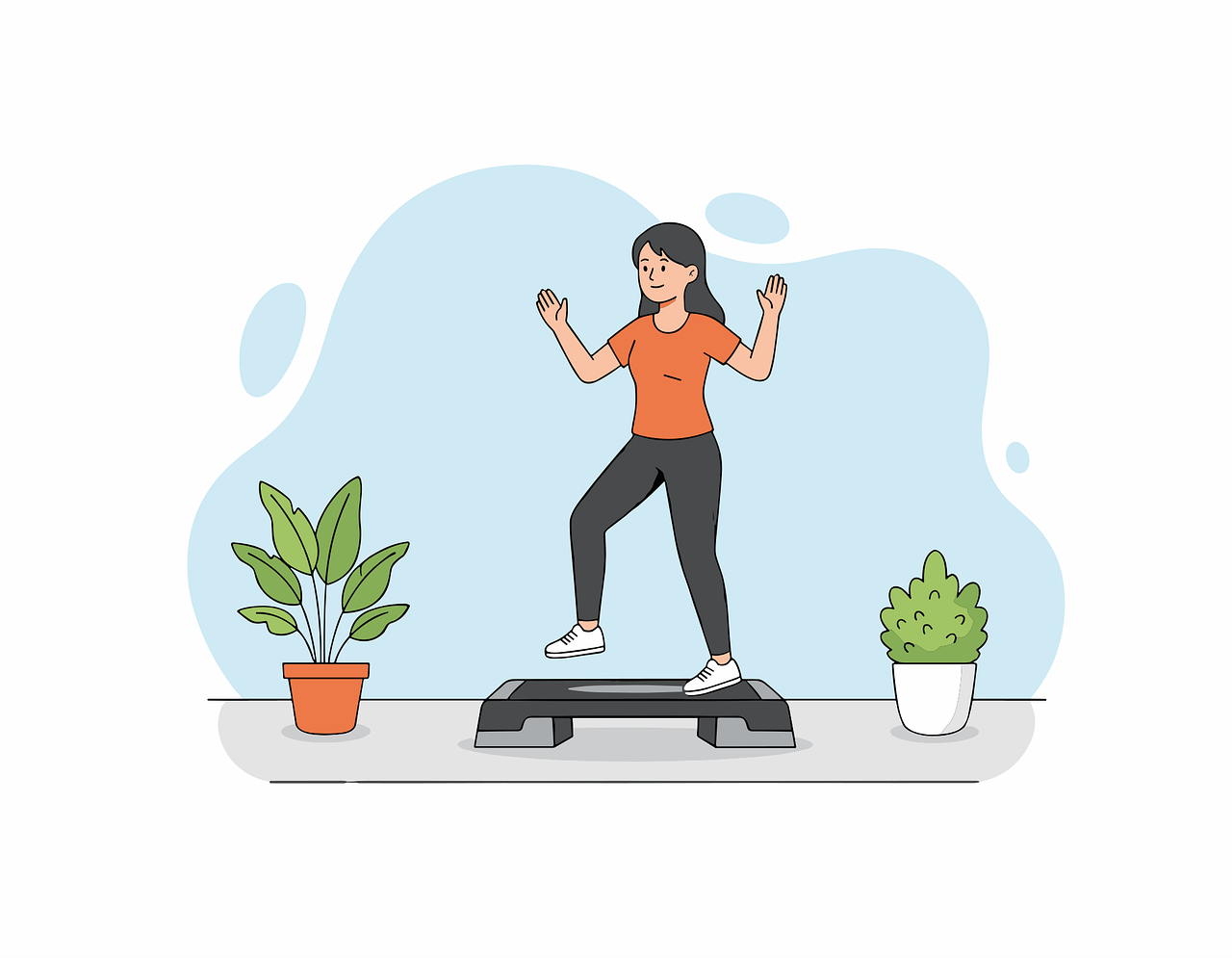

Benefits of Group Aerobic Classes for Teens
Group aerobic classes offer numerous benefits that cater specifically to the needs of teenagers. When teenagers engage in these classes, they are not just exercising; they are also socializing, which is vital during this developmental stage. Social interaction can significantly enhance their motivation and encourage regular participation. Additionally, group classes create an atmosphere of camaraderie where young individuals can support each other in achieving their fitness goals. In a group setting, the energy levels can boost enthusiasm for workouts, leading to an improved willingness to try new activities. Furthermore, structured classes under the guidance of a qualified instructor ensure that teens learn proper techniques and avoid injury, making their experience safer. This is crucial as aerobic activities may involve high-energy movements. Another benefit includes increased self-esteem as teens witness their progress and improvements. Group classes often incorporate a variety of activities, keeping the workouts exciting and engaging. Lastly, teens can develop valuable social skills while finding friends with similar interests, making fitness a fun and enriching aspect of their lives.
Cultivating healthy habits early on is crucial for adolescent development, and group aerobic classes can help achieve this. Regular participation fosters discipline, time management, and commitment, qualities that are essential for success in other areas of life. When teens commit to attending class regularly, they are naturally training their minds as well as their bodies. These habits can translate into life-long routines that contribute positively to their overall health. Interestingly, group settings encourage teamwork and collaboration, as teens often work out with partners or in teams. This kind of cooperative exercise can improve their ability to work effectively with others—a skill that is applicable in school and future careers. Moreover, exercising in a group may bring comfort to teens who may be self-conscious about their abilities. The nature of group classes emphasizes participation over competition, making all members feel valued and appreciated. Seeing peers face similar challenges can reduce anxiety surrounding fitness. This collective experience creates strong bonds among participants, fostering a sense of community. As a result, the social aspect of these classes becomes just as vital as the physical workout itself in promoting well-being and confidence.
Connecting with Peers
Group aerobic classes enable teens to connect with peers, creating a belongingness that is often sought after during this transformative period. Participating in these sessions gives young people the opportunity to meet others with shared interests in fitness and health. This connection is essential, as it helps combat issues such as isolation, which can adversely affect the mental health of adolescents. Moreover, making friends in a supportive environment encourages teens to stay committed to their fitness objectives. Friends will motivate each other to attend classes regularly, establish healthy habits, and celebrate milestones together. Additionally, many aerobic classes encourage the formation of friendships through collaborative challenges or team-based workouts, reinforcing support systems even further. The encouragement received from peers enhances commitment levels significantly. In group settings, teens can also feel a sense of belonging, reducing feelings of loneliness or exclusion. Furthermore, the sense of accountability formed with peers can push them to achieve their personal best. Ultimately, these classes do not only promote physical health but also foster social wellness, helping teens ride the waves of adolescence with confidence and support.
Physical health is undeniably an advantage of group aerobic classes for teens, but mental health benefits cannot be overlooked either. Exercise is known to release endorphins, which can help reduce feelings of stress, anxiety, and depression. Engaging in group workouts can amplify this effect, as the energy and motivation derived from being part of a collective effort enhance the overall exercise experience. Teens often face pressures from academics and social expectations, and participating in aerobic classes provides a constructive outlet to release pent-up energy and stress. The combination of movement, music, and social interaction creates an enjoyable escape, providing a natural way to lift one’s mood. Additionally, learning fitness routines and achieving goals can build self-confidence, enabling teens to face challenges outside the gym. Furthermore, group classes often incorporate positive reinforcement, wherein instructors celebrate participation and effort rather than just results. This type of encouragement allows for personal growth in a non-competitive environment, which is particularly valuable for teens navigating their self-image. Consequently, these classes serve as a safe space for both physical and emotional development.
Variety Keeps Workouts Engaging
Variety is essential in maintaining the interest of teenagers, as repetitive activities can lead to boredom. Group aerobic classes are designed to include a range of movement patterns and routines, ensuring that each session feels fresh. Instructors often change formats and songs regularly, which keeps participants engaged and motivated to return. Teens can enjoy a broad spectrum of fitness styles, including dance, kickboxing, and circuit training. This allows them to explore different forms of exercise and discover what they enjoy most. Variety also keeps the body challenged, which is essential for continual improvement. When teens mix up their routines, they avoid plateaus and maintain progress in their fitness journey. Moreover, experimenting with various activities can pique curiosity about healthy living and encourage lifelong fitness habits. Teens who participate in well-structured group classes often experience better retention of skills, learn new movements more quickly, and develop greater confidence in their physical abilities. Overall, the dynamic environment created in group aerobic classes contributes to both physical improvement and mental excitement.
Safety is a critical concern for parents when their teens engage in physical activities. Group aerobic classes provide an excellent platform for ensuring that safety protocols are adhered to during workouts. A qualified instructor can customize the pace and intensity based on participants’ individual fitness levels. This personalization reduces the risk of injuries and ensures that all teens are following appropriate safety measures, even during high-energy exercises. Classes are often capped at designated participant levels, fostering an ideal size for more personalized attention. This smaller group setting allows instructors to observe participants closely and provide instant feedback or adjustments as needed. Furthermore, teens learn about injury prevention and safe exercise practices, equipping them with knowledge for their future workouts outside of class. The importance of warming up, cooling down, and proper hydration is emphasized, encouraging teens to adopt these essential health habits. This focus on safety not only builds trust in the group environment but also reassures parents that their children are participating in a monitored and supportive setting, encouraging healthy lifelong habits.
Long-Term Health Impact
Engaging in group aerobic classes can have numerous long-term health impacts for teens. By instilling the values of teamwork, personal responsibility, and fitness, these classes provide a solid foundation for a lifetime of healthy choices. Regular exercise contributes to cardiovascular health, strength, flexibility, and overall well-being—important factors that affect long-term quality of life. Medical research continually highlights the critical association between exercise and reducing the risk of chronic diseases such as obesity and heart disease. Additionally, positive experiences in group settings can encourage teens to stay active throughout adulthood. As they transition into adulthood, they are more likely to prioritize fitness if it was a significant part of their teenage years. The friendships formed during these classes may also continue beyond the gym, leading to future exercise groups or classes as adults. As teens learn to view physical activity as enjoyable rather than a chore, they develop a healthy relationship with fitness. Ultimately, group aerobic classes not only create immediate benefits but foster a lifestyle dedicated to health and wellness that can last a lifetime.