
Using Fitness Challenges to Reinforce CBT Techniques
Combining fitness with cognitive behavioral therapy (CBT) techniques provides a unique approach to mental health. Engaging in physical activities helps enhance emotional well-being while implementing CBT strategies. Research shows that exercise boosts mood and alleviates anxiety due to the release of endorphins. Additionally, fitness challenges can serve as practical exercises for cultivating resilience and reinforcing positive thought patterns. For example, setting and achieving fitness goals aligns with the CBT principle of establishing measurable targets. This practice can help individuals break larger personal challenges into smaller, more manageable tasks. Furthermore, it encourages consistency and discipline, qualities essential for success in CBT. Exercising in a group setting not only improves motivation but also enhances social interaction, which is crucial for mental health. Social support is a key aspect of CBT, addressing feelings of isolation. Combining physical challenges with cognitive strategies can lead to improved emotional regulation. Incorporating fitness into CBT can bring about long-lasting benefits. Ultimately, engaging in regular exercise can transform daily stressors into opportunities for growth, paving the way toward better mental health in a structured, mindful way. It develops a holistic approach to well-being that combines mind and body.
Fitness challenges strengthen the application of CBT techniques in daily life. By participating in fitness activities, individuals can utilize mindfulness practices, allowing them to focus on the present moment. These practices, pivotal in CBT, facilitate enhanced self-awareness and emotional regulation. As individuals face challenges, they learn to confront negative habits and change their thought patterns. For instance, during a challenging workout, one might encounter self-doubt; recognizing this thought is the first step toward applying CBT. CBT methods encourage reframing negative thoughts into constructive affirmations. Incorporating physical challenges offers multiple opportunities to practice this valuable skill. Moreover, the experience of overcoming physical obstacles directly correlates with increased confidence. Success in fitness tasks mirrors achievements within cognitive tasks. As a result, the endorphin release during exercise supports a positive feedback loop, enhancing motivation. When fitness sessions integrate relaxation techniques, like deep breathing or progressive muscle relaxation, the overall effect on mental well-being can be profound. It provides a platform to practice coping strategies in real-time. Through regular engagement, individuals build resilience against stressors, fostering a direct connection between fitness and improved cognitive functioning. Ultimately, fitness challenges can enhance the efficacy of CBT outcomes.
Creating Fitness-Based CBT Interventions
Implementing fitness-based strategies in CBT involves developing structured programs tailored to individual needs. These programs should encompass both physical activity and cognitive techniques. Consider designing weekly fitness challenges that align with the specific CBT objectives of participants. Such challenges might include specific types of exercises, achieving set durations, or focusing on relaxation activities. Tailoring these challenges to individual goals ensures they remain relevant and engaging. Participants can also track their progress, which reinforces positive behavior and cognitive changes. Regular assessment of progress keeps motivation high and helps identify areas for further development. Incorporating self-reflection sessions can enhance insight during the process. Participants can discuss feelings encountered during physical challenges and relate them to cognitive patterns. This dialogue promotes deeper understanding and self-awareness. Additionally, utilizing a group format for fitness challenges can foster camaraderie, ensuring support networks are in place. Peers can share experiences, enhancing motivation and accountability. Moreover, integrating nutrition education within these programs highlights the connection between diet, mental health, and physical performance. Providing comprehensive guidance can promote overall well-being while reinforcing the principles of CBT. As these interventions evolve, participants will gain valuable tools for managing mental health effectively.
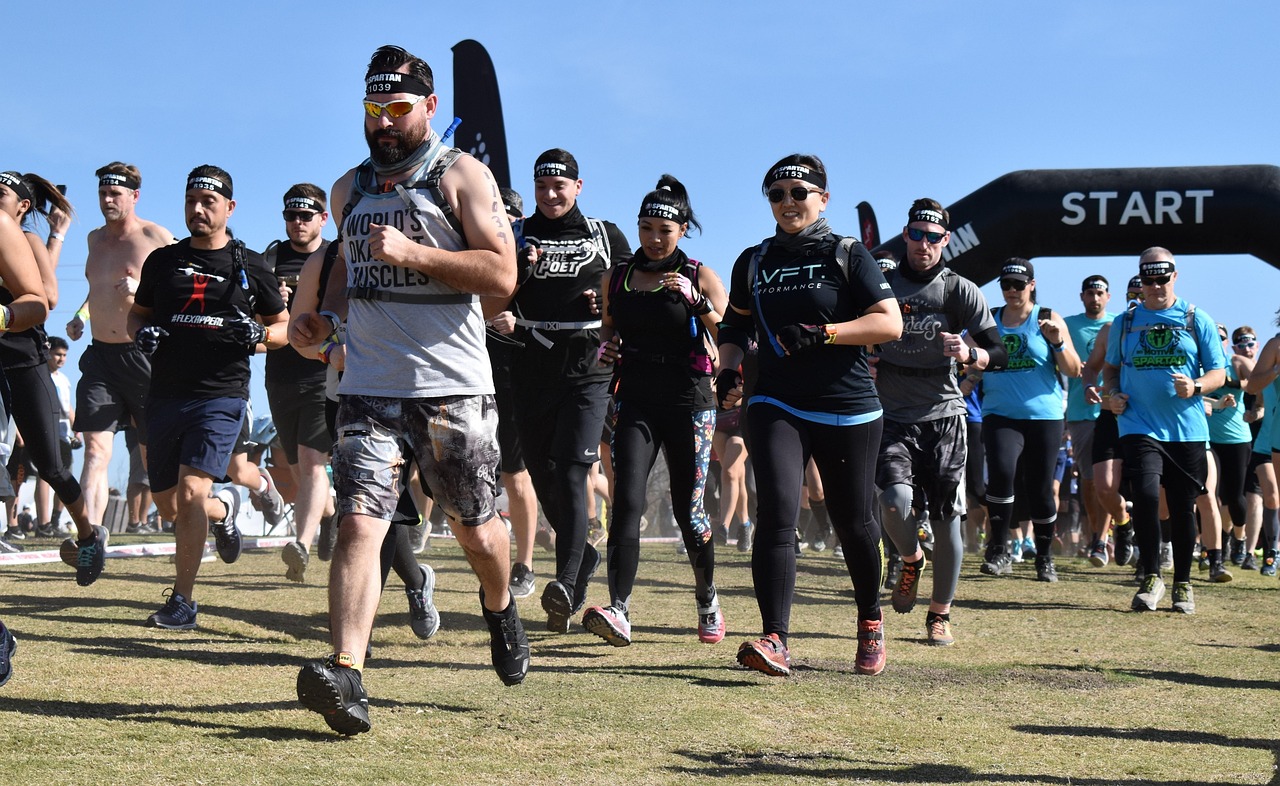
Research indicates that fitness positively impacts mental health by lowering stress levels, reducing feelings of anxiety, and decreasing depressive symptoms. Therefore, integrating physical fitness with cognitive behavioral therapy can significantly enhance treatment efficacy. A well-structured fitness regimen focusing on aerobic exercises, strength training, and flexibility can yield remarkable results. Combining these with CBT principles such as cognitive restructuring or exposure therapy creates a comprehensive mental health intervention. For individuals struggling with anxiety, engaging in physical exercise provides a functional method to manage symptoms. The connection between mind and body is essential in CBT; thus, enhancing focus on both facets leads to improved resilience. Experience with challenging workouts promotes a sense of achievement that cannot be understated. Individuals develop a positive mindset essential for facing daily trials. Encouraging participation in community fitness events allows individuals to be part of a wider support network, further enhancing the positive effects of their efforts. Over time, this combination can reduce overall cognitive distortions and physiological symptoms related to anxiety and depression. Consequently, individuals can experience a more balanced life with enhanced emotional regulation and improved mental fortitude as they learn to address obstacles constructively.
The Role of Goal Setting in Fitness and CBT
Goal setting plays a crucial role in how fitness challenges can reinforce CBT techniques. The SMART (Specific, Measurable, Achievable, Relevant, Time-bound) framework can be effectively adapted for both physical and cognitive goals. Participants can set fitness goals alongside personal goals, ensuring holistic growth. By focusing on achievable targets, individuals help themselves experience constant positive reinforcement, leading to maintained effort. Regular review of set goals can provide insights into progress, allowing adjustments as necessary. This periodic reflection aligns with CBT’s emphasis on monitoring thought processes and behaviors. Emphasizing small victories, whether in completing a challenging workout or altering negative thought patterns, builds self-efficacy. In moments of self-doubt, recalling successful achievements in fitness can empower individuals to overcome mental hurdles. Furthermore, documentation of progress through journals or digital platforms can be beneficial in achieving clarity and tracking emotional responses. As they witness growth in their physical capabilities, their confidence in applying CBT principles solidifies. The synergy created between physical fitness and cognitive work reinforces their understanding of personal strengths and vulnerabilities. This reciprocal relationship idealizes a fulfilling journey toward mental health improvement while navigating both physical and cognitive transformations.
Maintaining consistency is imperative in exercising to reinforce CBT techniques effectively. Establishing a routine around fitness creates a structure that mirrors the discipline cultivated in cognitive therapy. Having a consistent schedule helps individuals integrate exercise into their daily lives while reinforcing tools learned during CBT sessions. Additionally, finding enjoyment in activities ensures adherence to a fitness regimen. Individuals are more likely to persist when they engage in exercises they find fulfilling. Exploring a variety of fitness options, including yoga, martial arts, or team sports, opens avenues for discovering what resonates most with them. Encouraging participants to communicate their preferences leads to sustainable engagement. Mindful exercise practices, such as tai chi or Pilates, promote mental clarity while addressing physical fitness. As individuals become more attuned to their bodies, they can directly observe stress reduction and improved mental focus. Likewise, introducing relaxation techniques post-exercise, including meditation or deep breathing, allows for optimal integration of physical and cognitive work. This factor ultimately cultivates an environment where fitness can act as a foundation for progressing with CBT techniques. Through gradual enhancement of physical abilities, participants reap emotional benefits essential for long-term mental wellness.
Conclusion: Optimizing Mental Health through Fitness
Using fitness challenges to reinforce cognitive behavioral therapy techniques allows for an innovative approach to mental health. Blending physical activities with cognitive skills enhances overall well-being, originating a multifaceted therapeutic process. Through systematic goal setting, self-assessment, and support networks, individuals can foster lasting change in their lives. Emphasizing a growth mindset promotes resilience, combating mental health challenges. The synergy between exercise and cognitive interventions resurfaces as an incredible opportunity to foster an improved relationship with oneself. Moreover, these fitness challenges contribute to building healthier lifestyles, leading to enhanced emotional regulation. Engaging with community support networks strengthens social bonds, further amplifying positive mental health outcomes. Furthermore, the emotional release that comes from regular exercise becomes an integral element in managing daily stressors. Mental health flourishes when individuals embrace a holistic view combining physical and cognitive health practices. Research underscores the substantial benefits of lifestyle changes for mitigating mental disorders. Thus, opting for fitness as a complement to cognitive behavioral therapy addresses both mind and body holistically. These strategies empower individuals to reclaim their life, turning challenges into catalysts for ongoing personal development and promoting their resilience through the continuous practice of self-care activities.
In conclusion, fitness challenges serve as a vital strategy for reinforcing CBT techniques, resulting in a comprehensive improvement in mental health and quality of life. The structure provided by routine fitness activities not only fosters physical health but also enhances emotional resilience, creating a profound effect on mental well-being. The integration of physical fitness into the therapeutic process offers a unique method for individuals to confront their challenges, learn valuable coping mechanisms, and cultivate self-awareness. When fitness becomes a routine part of life, participants are more likely to experience reductions in anxiety and depressive symptoms and develop essential skills for managing emotions. Moreover, the social aspects of engaging in group fitness can provide additional layers of support, serving as encouragement throughout their journey. As they achieve their physical goals, individuals concurrently build confidence that translates to mental fortitude. Therefore, the combination of fitness and CBT is not merely an add-on but a formidable partnership leading to holistic healing. In a world where mental health issues are ever-present, this approach can assist individuals in reclaiming their power and following a path toward optimal mental health through consistent and mindful practice.