
Promoting Inclusivity in Outdoor Fitness Activities
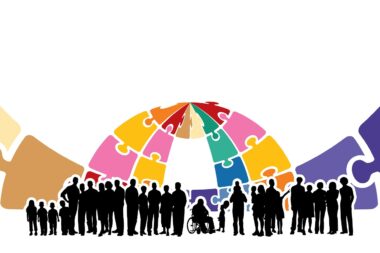
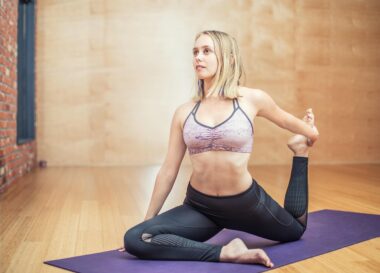
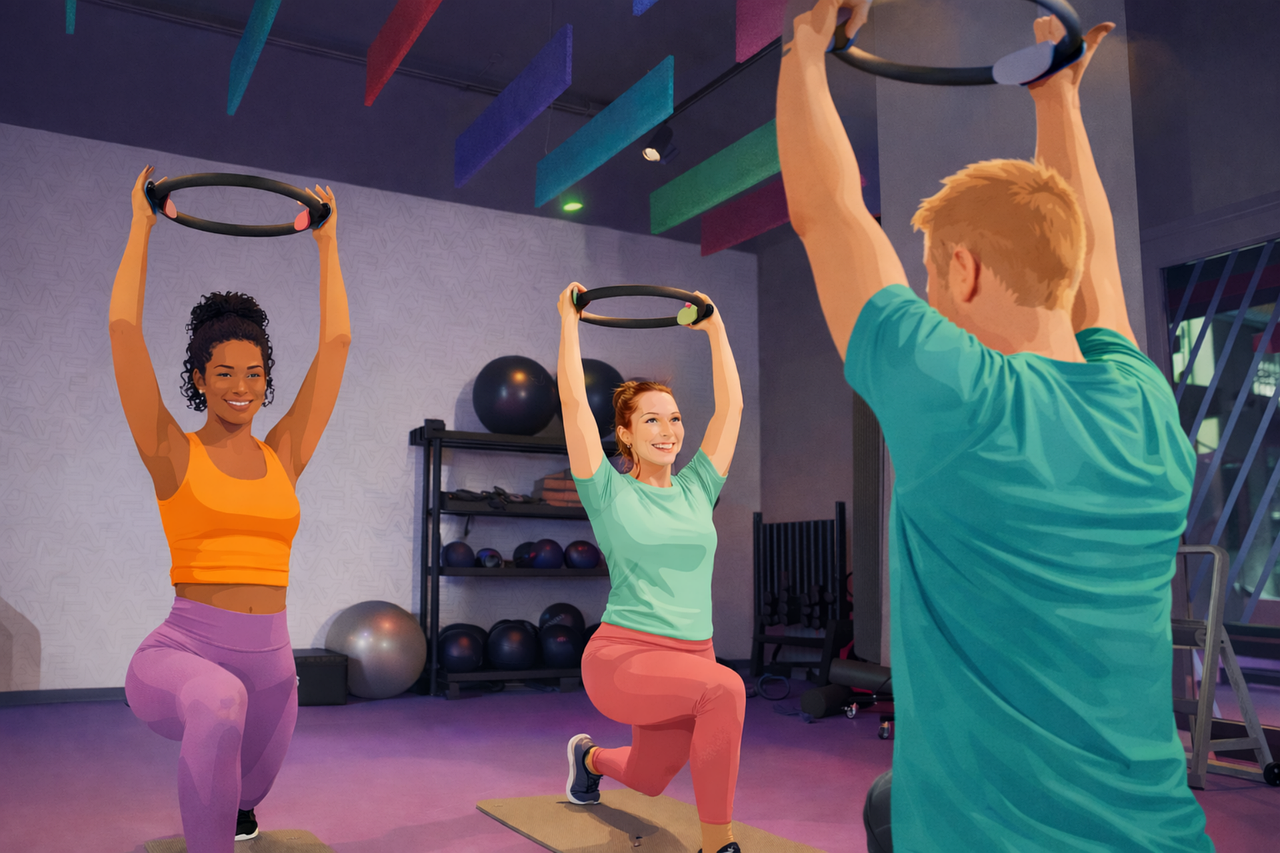
In recent years, the fitness industry has made significant strides towards inclusivity, particularly within outdoor fitness programs. These initiatives focus on creating environments that welcome individuals of all backgrounds and abilities. As society becomes more aware of the importance of inclusivity, the demand for accessible outdoor fitness opportunities has grown. By incorporating various methods, we can make outdoor activities inviting and enjoyable for everyone. Implementing inclusive programs allows participants to connect and grow, fostering a sense of community. Outdoor fitness activities can include anything from group hikes to adaptive yoga sessions, which cater to both novice and seasoned athletes alike. Along with physical benefits, these programs can enhance mental well-being, providing participants with stress relief and improved self-confidence. The increase in outdoor activities and community fitness challenges has highlighted the necessity for all-inclusive programs that prioritize safety and encouragement. Organizations are now actively developing resources and training for instructors to better facilitate inclusive outdoor experiences. This progression not only benefits participants but also creates a more supportive and understanding environment for everyone involved. Supporting inclusive outdoor fitness initiatives is essential for the continued growth of the fitness industry.
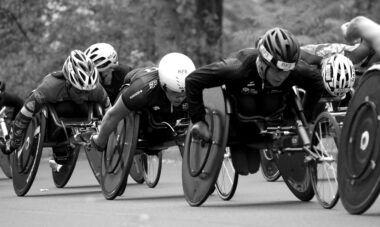
In addition to promoting participation in outdoor fitness activities, offering modified programs is paramount to inclusivity. Creating tailored routines allows all participants to engage regardless of their physical abilities or fitness levels. A successful program must consider a range of adaptations, such as varying the intensity, providing necessary equipment, and ensuring proper guidance. For example, certain exercises might be modified to suit individuals with limited mobility, while others can be designed to challenge and energize seasoned athletes. Incorporating modifications promotes a sense of accomplishment as individuals can complete tasks to the best of their abilities. By fostering a flexible environment, trainers can motivate participants to push their limits while ensuring safety and enjoyment. Furthermore, inclusivity also involves addressing social barriers, such as stigma or misconceptions surrounding particular groups. By showcasing success stories and diverse participants, outdoor fitness programs can help reshape public perceptions, creating a welcoming atmosphere for everyone. Social media platforms play a vital role in spreading awareness and connecting like-minded individuals. By showcasing testimonials and experiences, fitness programs can attract a wider audience, thereby enhancing the overall impact and fostering a genuinely inclusive atmosphere.
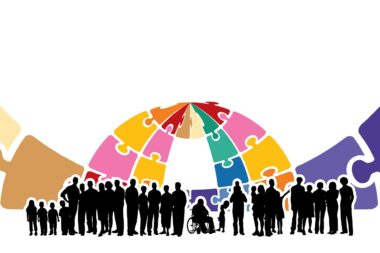
Embracing diversity in outdoor fitness not only benefits participants but also enriches the community as a whole. Inclusivity promotes interaction among various individuals, fostering connections and breaking down stereotypes. When community members engage in physical activities together, they learn from one another’s experiences and expertise while building friendships. Outdoor fitness programs that celebrate diversity pave the way for a more welcoming environment, strengthening communal bonds. Incorporating diverse cultures and backgrounds into exercise classes provides unique learning opportunities. As participants share their customs, language, and traditions, they create a vibrant atmosphere filled with understanding and acceptance. Moreover, this diversity breeds innovation and creativity in workout routines, enabling participants to experience a broader range of fitness disciplines. Group challenges and team-building activities emphasize collaboration while creating memorable experiences for everyone involved. Potential participants often feel more inclined to join inclusive fitness programs when they see relatable role models. Encouraging individuals to share their success stories can inspire others to embark on their fitness journeys. Ultimately, the fitness industry must take active steps to celebrate diversity and normalizing inclusivity in outdoor fitness initiatives.
Collaborative Efforts for Inclusivity
Collaboration within local communities is essential for the success of inclusive outdoor fitness programs. By partnering with local organizations or nonprofits, fitness leaders can better access resources and support tailored to various demographics. These partnerships can provide programs that cater to unique needs, such as services for individuals with disabilities or targeted initiatives for underserved populations. With support from various organizations, creating a comprehensive approach ensures that fitness resources align with community goals. Furthermore, engaging community members in decision-making processes leads to meaningful feedback and helps refine the programs to fit their needs. Understanding the specific barriers to participation and addressing them will make the fitness experience more enjoyable for everyone. Sharing information about inclusive activities across various platforms is also key; using social media, newsletters, and local events will increase awareness. By promoting events that highlight the achievements of participants, organizations can help build a strong network of fitness enthusiasts committed to inclusivity. Community events not only create exposure but also foster a sense of belonging. As the fitness landscape continues to evolve, collaborative efforts will remain vital for promoting inclusivity in outdoor activities.
In addition, educating trainers and fitness instructors on inclusivity principles is crucial to ensure a supportive environment. Providing training opportunities that focus on understanding diverse needs will empower fitness professionals to create welcoming spaces. Workshops and seminars centered around adaptive fitness can equip instructors with techniques to modify workouts and support individuals with varying abilities. Furthermore, sharing best practices from various programs can enhance instructors’ knowledge, fostering a culture of inclusivity. Instructors who are well-versed in adaptive techniques will feel more confident navigating diverse group dynamics while customizing workouts effectively. Engagement with local and national fitness organizations can also lead to valuable resources, such as inclusive workout materials or accessible workout space suggestions. Promoting continued professional development helps create strong relationships among fitness instructors while addressing any gaps in knowledge. As these professionals exchange ideas, participants benefit greatly from innovative fitness experiences that cater to their diverse needs. With better-trained instructors leading inclusive programs, we create an environment where everyone can thrive, and fitness can be celebrated across the community.
Moreover, technology plays an increasingly crucial role in promoting inclusivity in outdoor fitness activities. Accessible apps can connect individuals with tailored workout plans and virtual communities where they can engage and motivate each other. These platforms can offer workout routines designed for various skill levels and empower users to track their progress. Additionally, incorporating video demonstrations can help participants understand exercise techniques better. Online resources allow for flexible participation, ensuring that individuals can embrace fitness regardless of their schedules or locations. Furthermore, virtual events and challenges encourage engagement from a diverse audience and provide inspiration while fostering inclusivity. Fitness businesses that harness technology will have the potential to reach wider audiences and provide them with the support they need to achieve their goals. Creating online groups for individuals with shared interests fosters connections that can transcend geographic boundaries. Ultimately, adopting technology in outdoor fitness programs not only enhances inclusivity but also modernizes participation and engagement. As the industry evolves, the integration of technology will further bridge gaps among diverse populations interested in fitness.
Conclusion and Future Directions
In conclusion, promoting inclusivity in outdoor fitness activities requires a collective effort from community members, fitness organizations, and instructors. Addressing barriers to participation, offering tailored programs, and cultivating a sense of belonging within workouts must remain priorities. As the fitness industry continues to evolve, fostering an environment that embraces diversity will yield numerous benefits for both participants and communities alike. As we look towards the future, focusing on shared goals of health, well-being, and support will enhance the overall fitness landscape. By sharing success stories, leveraging technology, and engaging everyone in these efforts, we can create a society where fitness becomes a celebrated aspect of life. The path ahead requires commitment, communication, and courage to overcome challenges while striving for inclusivity within fitness programs. As we progress, let’s empower each other to reach our full potential and ensure that fitness truly knows no boundaries.
By working together and prioritizing inclusivity, we can create a future where fitness is accessible to everyone, regardless of age, ability, or background. Promoting inclusive outdoor fitness activities is essential for building a healthier, more connected world. With such dedication, the fitness industry can be a catalyst for positive change and inspire a collective movement towards inclusivity in all aspects of life.