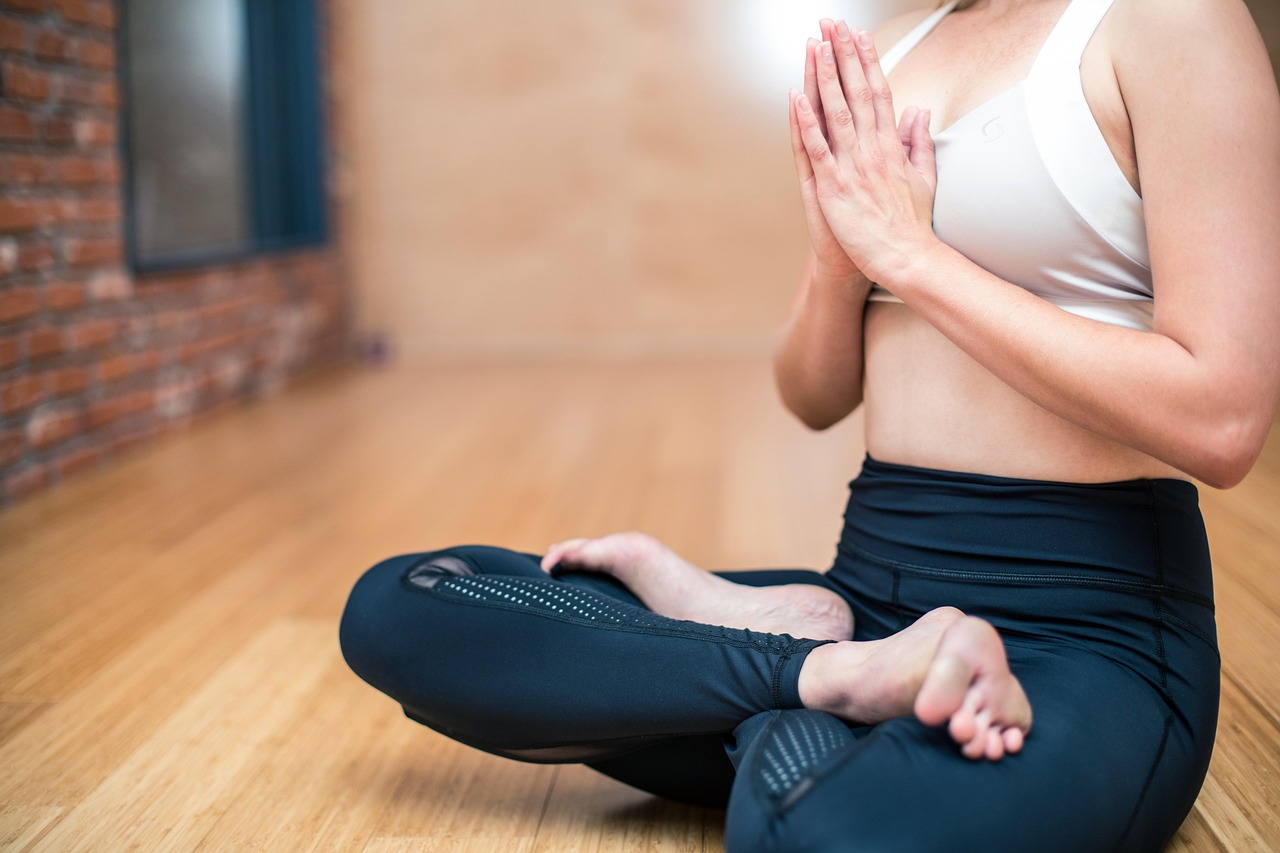

Improving Flexibility and Coordination Through Pilates
Flexibility and coordination are essential components of physical fitness that can greatly enhance athletic performance and overall well-being. Engaging in Pilates exercises effectively targets these areas, promoting not just physical change but also a mental focus that facilitates body awareness. The method involves controlled movements and mindful breathing, which can help individuals discover their range of motion in a safe manner. In doing so, Pilates encourages gradual improvements in flexibility while also stepping up coordination skills. The unique emphasis on alignment and core strength during these exercises fosters better body mechanics, providing a solid foundation for all types of physical activities. Additionally, the moves can be modified to fit the needs of various fitness levels, making Pilates accessible for everyone. As individuals advance in their practice, they may notice not only increased flexibility but also enhanced balance and coordination. This holistic approach nurtures a stronger connection between mind and body, ensuring long-lasting benefits. Overall, incorporating Pilates into one’s routine can be an excellent way to boost flexibility, coordination, and general physical health.
Understanding the Benefits of Flexibility
Flexibility plays a critical role in encouraging overall body functionality. It allows individuals to perform daily activities more easily, enhances athletic performance, and reduces the risk of injuries. Improved flexibility aids in maintaining proper posture, which can lead to better alignment and decreased strain on muscles and joints. The pilates method effectively enhances muscular elasticity through various stretching and strengthening exercises. By encouraging lengthening of muscles while simultaneously working on strength, Pilates achieves a comprehensive approach to flexibility. Furthermore, this enhanced range of motion not only increases physical capabilities, but also promotes relaxation and mental clarity. Mindful movement principles in Pilates create an environment that allows for stress reduction while working on improving flexibility. Practicing regularly increases the body’s ability to move through more extended ranges without discomfort. This improved mobility further fosters coordination, as improved flexibility allows for better control of movements. Incorporating effective warm-up exercises before working out can also contribute to enhanced flexibility. Notably, activities such as yoga and dance can further enhance the flexibility achieved through Pilates, making them excellent complementary practices.
Coordination is the ability to use different parts of the body together smoothly and efficiently. Enhanced coordination directly impacts athletic performance, daily activities, and overall functional movement patterns. Pilates aims to cultivate coordination while increasing flexibility, offering a balanced workout that strengthens the mind-body connection. Through exercises that require precise movement and focus, participants develop greater awareness of their body positioning. The core principles of Pilates promote muscle engagement, allowing for improved control throughout various functional movements. By focusing on breath control, Pilates reinforces muscle coordination while stabilizing the body during transitions between movements. As participants integrate this newfound understanding, daily tasks become easier, and posture stabilizes. Moreover, repetitive practice of Pilates movements can lead to an increase in fine motor skills, reflecting better coordination during more complex activities. The rhythmic nature of Pilates exercises encourages participants to synchronize their movements, further enhancing overall body coordination. Additionally, Pilates can serve as a foundation for other forms of exercise, such as dance or martial arts, where coordination is crucial. Overall, Pilates leaves practitioners with tools to improve coordination, enhancing fitness levels significantly.
Core Strength and Its Impact
Core strength is vital for stability, balance, and coordination, all of which are key elements to excel in various physical activities. Pilates places a strong emphasis on core engagement, thereby strengthening not only the abdominal muscles but also the surrounding supportive tissues. A strong core provides a solid foundation for improving flexibility, as it enables the body to move more freely and efficiently. This strength allows for controlled movements, which increases overall balance and coordination. When practicing Pilates, the focus on controlled breathing and alignment contributes to greater bodily awareness, resulting in improved core stability. A stable core can significantly enhance athletic performance in sports like gymnastics, dance, or even weightlifting. Improved core strength also minimizes the risk of injury by promoting proper alignment throughout daily activities. It encourages engagement of the back muscles and pelvic floor, all essential for maintaining an upright posture. As core strength develops, individuals often notice an increase in endurance during workouts, as well as improved range of motion. Ultimately, a strong core gained through Pilates can lead to better flexibility, coordination, and functionality in daily life.
Pilates incorporates a range of exercises designed specifically to target flexibility and coordination. Through various mat and equipment-based routines, practitioners can explore their body’s potential while ensuring safety. Pilates exercises such as the ‘Saw,’ ‘Spine Stretch,’ and ‘Teaser’ are excellent for improving flexibility. Each move focuses on dynamically stretching and strengthening the muscles simultaneously. These tailored routines promote elongation of muscles, thus improving flexibility. Moreover, exercises that utilize props such as resistance bands, magic circles, or stability balls enhance engagement levels and complexity in movements. Working with equipment introduces varied resistance, making it easier to develop muscle control and coordination patterns effectively. Pilates also emphasizes the importance of breath during practice, which is instrumental in connecting the mind with physical movement. This connection guides practitioners through movements, ensuring a harmonious flow. Individuals often find a smoother transition between exercises, thus facilitating better coordination. Joint mobility can significantly improve through the practice of flowing sequences, making it a highly effective training method. Ultimately, using Pilates to develop flexibility and coordination becomes a holistic, enjoyable, and rewarding journey.
Creating a Balanced Pilates Routine
Building a well-rounded Pilates routine is essential to maximize the benefits of flexibility and coordination. Ideally, participants should focus on incorporating a variety of exercises that target different muscle groups and promote full-body engagement. A balanced routine will typically include exercises such as rolling, twisting, and extending, enabling participants to explore different planes of movement. This variety fosters the improvement of coordination while ensuring each muscle group is activated. It’s essential to focus on proper alignment and technique during each exercise to avoid injury and promote effective muscle engagement. Additionally, integrating rest days into one’s routine can lead to optimal recovery and ensure progress in flexibility and coordination over time. Practicing Pilates three to four times a week allows for consistent gains without overtraining. Furthermore, setting personal goals tailored to flexibility and coordination can enhance motivation and focus. Engaging with a certified Pilates instructor provides significant added benefits, as they can offer personalized feedback and adjustments. Ultimately, a balanced routine tailored to individual needs and goals will lead to improved overall performance in both flexibility and coordination.
To witness effective progress in flexibility and coordination, consistency is key. Establishing a regular Pilates practice can lead to noticeable changes over time, reinforcing the connection between flexibility, coordination, and overall fitness levels. Beginners should aim to start with basic exercises before gradually advancing to more complex movements. Setting achievable goals based on personal assessments can guide practitioners through their Pilates journey more effectively. Additionally, tracking progress by maintaining a journal can be beneficial. Recording improvements in flexibility, coordination, or strength can motivate and help individuals stay focused. Pairing Pilates practices with other activities can accelerate findings as well, especially after gaining foundational skills in Pilates. Activities like yoga, swimming, or dance serve as great complementary practices for enhancing flexibility and coordination. These activities emphasize body awareness and movement quality, similarly to Pilates. Engaging in these diverse activities can keep the routine fresh and fun while maximizing benefits. Regardless of any fitness level, nurturing flexibility and coordination through Pilates should be viewed as a lifelong endeavor that promotes overall wellness.