
The Science Behind Dance Fitness and Its Health Benefits
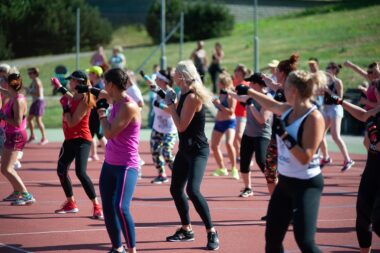
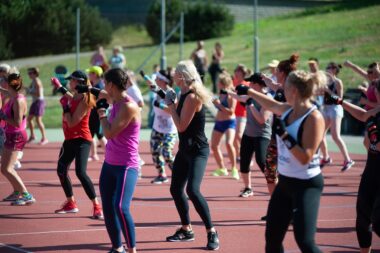
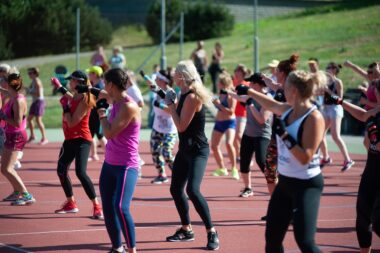
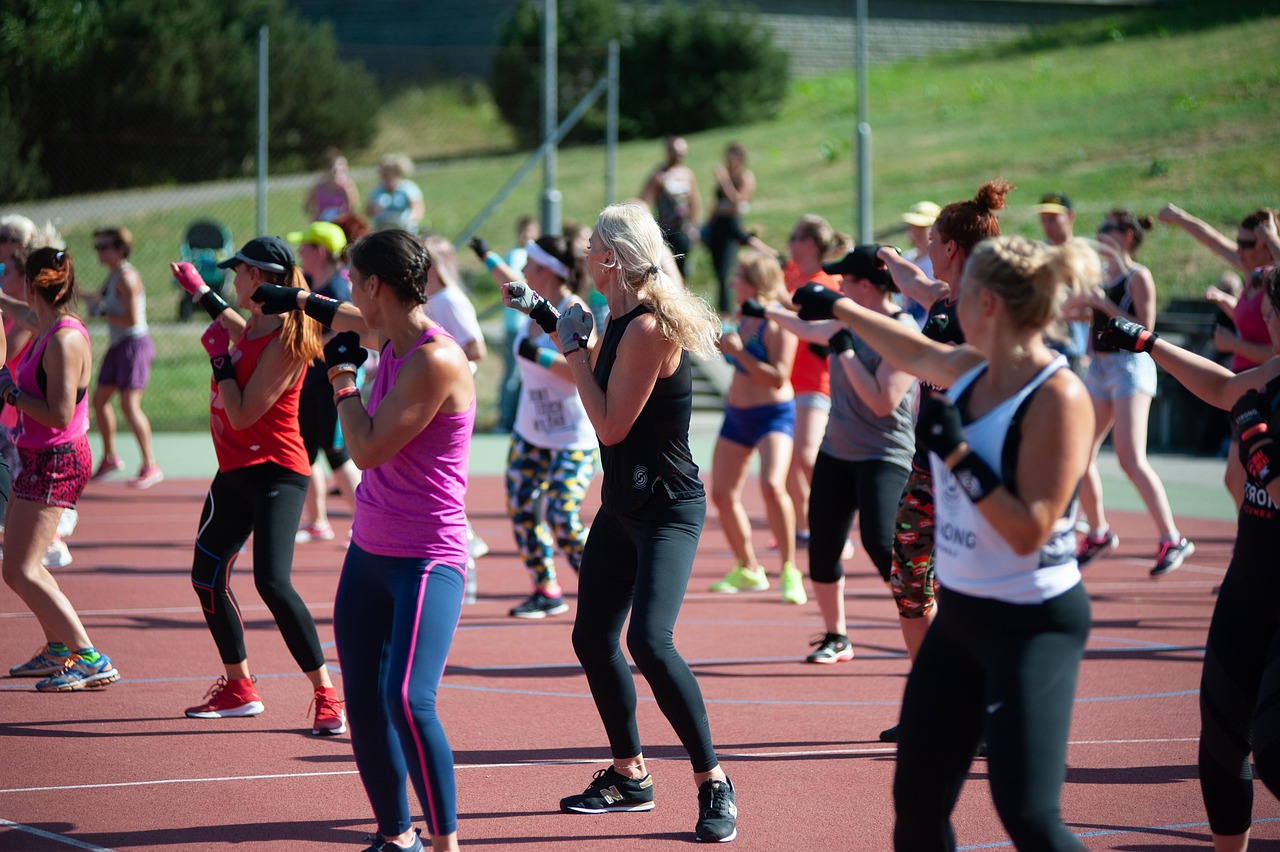
Dance fitness integrates dance movements with aerobic exercise, making it an enjoyable way to improve physical health. Many studies have indicated that engaging in dance fitness promotes cardiovascular health. It encourages increased heart rate and enhances blood circulation, which reduces the risk of heart disease. The combination of fun and fitness leads to a sustainable exercise regimen. Additionally, dance fitness programs often incorporate diverse styles, attracting participants of all ages. These rhythmic movements not only target major muscle groups but also improve coordination, balance, and flexibility. Furthermore, the sociocultural aspect of dance fitness encourages participants to engage with others, thus enhancing their social well-being. Group classes create a sense of community, which can motivate individuals to maintain consistency. Quality dance fitness sessions foster an environment that nurtures self-expression and emotional release, contributing to mental health benefits. Incorporating dance into fitness routines can enhance memory and cognitive function, as it often requires learning new choreography. Thus, the science behind dance fitness underscores its manifold health advantages that go beyond physical exercise.
One major benefit of dance fitness is its contribution to weight management. Moderate to vigorous dance sessions can burn significant calories. The calorie burn varies based on intensity and individual effort, but participants can expect to sweat and exert energy. This calorie deficit is crucial for maintaining or losing weight, contributing to a healthier body composition. Additionally, dance fitness fosters a positive relationship with exercise, encouraging consistent attendance. Many people find traditional workouts monotonous; however, dance unites fitness with joy and creativity. When participants see results from their efforts, it further motivates them to continue. Unlike conventional workouts, dance fitness allows individuals to express themselves, making exercise feel less like a chore and more like a celebration. Another noteworthy aspect is the bolstering of self-esteem through dance fitness. As individuals master new moves and improve their abilities over time, they begin to feel empowered. Investing in their physical health often correlates with improvements in mental health. This holistic approach exemplifies the benefits of combining enjoyable movement with effective fitness strategies. Ultimately, a consistent dance fitness practice leads to overall well-being.
Emotional and Mental Benefits of Dance Fitness
Beyond physical health, dance fitness offers substantial emotional and mental benefits. Engaging in rhythmic movement triggers the release of endorphins, often referred to as the body’s ‘feel-good’ hormones. These endorphins act as natural mood lifters, helping to alleviate feelings of stress and anxiety. Many dance fitness classes also emphasize connection to music, which can evoke memories and sensations that enrich the overall experience. Music serves as a motivational tool that helps participants push through workouts. The exhilarating beats elevate energy levels, reinforcing a positive outlook. Furthermore, dancing requires mental focus, integrating body and mind. This phenomenon is known as the mind-body connection, enhancing mindfulness as participants immerse themselves in the movements. As dancers lose themselves in the rhythm, they often forget life’s stressors, leading to improved mental clarity. The challenge of learning choreography or new dance styles also stimulates cognitive functioning, improving memory retention. Moreover, dance fitness promotes social interactions, fostering friendships among participants. Building a strong, supportive social network not only encourages dedication but also significantly contributes to emotional stability in everyday life, enhancing overall life satisfaction.
Participation in dance fitness presents opportunities for personal expression. Individuals often find freedom in movement, allowing their personalities to shine through dance. This unique expression promotes creativity, which is beneficial for mental health. Embracing one’s creativity positively influences self-worth and can even impact personal life outside the dance studio. Allowing oneself to be vulnerable while dancing encourages acceptance of imperfections, fostering a healthy image of self. Beyond self-expression, dance fitness provides participants with a platform to set and achieve personal goals. Setting achievable fitness targets, such as mastering certain dance styles or improving endurance, cultivates a sense of accomplishment. This goal-oriented focus allows individuals to measure progress, boosting their motivation. Ultimately, progress in dance fitness translates into improved self-awareness, promoting a deeply satisfying experience. Participants learn about their limits, strengths, and areas needing improvement. This enhanced self-awareness can transcend into other aspects of one’s life. The commitment to dance fitness illustrates a journey toward self-discovery and acceptance, which significantly affects individual development. Through dance, people can become more in tune with their emotions and preferences, strengthening their overall identity.
Types of Dance Fitness
Dance fitness encompasses various styles, appealing to diverse interests and fitness levels. Popular classes include Zumba, Hip Hop, and Latin dance, each offering unique benefits. Zumba combines Latin-inspired rhythms and dance moves, providing a full-body workout while delivering high energy and fun. It is particularly notable for its ability to engage participants through enjoyable music and easy-to-learn routines. Hip-Hop fitness emphasizes urban dance styles, allowing participants to express individuality. This contemporary approach has gained popularity among younger audiences, making it accessible for a modern workout routine. Latin dance fitness introduces graceful movements through styles like Salsa, Rumba, and Merengue, offering not only a fitness regime but also a cultural experience. Each style emphasizes different muscle groups, providing varied challenges for participants. Traditional ballet-based classes blend artistry with strength training, enhancing flexibility and posture. Ballet fitness encourages elegance in movement, fostering a sense of discipline. Consequently, participants are highly motivated to explore and find the right dance fitness style suited to their preferences. This variety ensures that individuals can keep their routines fresh while continually engaging in enjoyable, effective exercise.
The importance of proper nutrition alongside dance fitness cannot be overstated. A balanced diet supports energy levels, helping participants maintain stamina throughout their sessions. Proper hydration is also crucial, particularly in dance classes which can induce sweating. Consuming nutrient-rich foods ensures the body has necessary fuel for both performance and recovery. Whole grains, lean proteins, fruits, and vegetables should constitute a significant part of the diet to optimize health outcomes. Participants are encouraged to develop habits of meal prepping, allowing easy access to healthy foods. Tracking nutrition helps individuals understand their dietary needs and adjusts them according to their fitness goals. For instance, dancers focusing on weight control may opt for lower-calorie options while ensuring nutrient density. Incorporating healthy snacks before a workout can boost energy levels, thus enhancing overall performance. Including protein sources post-workout aids muscle recovery and repair. Furthermore, understanding the interplay between exercise, nutrition, and recovery is vital for achieving optimal results. Ultimately, a commitment to balanced nutrition combined with dance fitness cultivates a healthier lifestyle overall, reinforcing the holistic approach to well-being.
Conclusion: Embracing Dance Fitness
Dance fitness offers a comprehensive approach to health by integrating physical, mental, and emotional benefits. Participants experience improvement in cardiovascular health, weight management, and self-esteem, promoting an all-encompassing journey toward well-being. The emotional release from movement, coupled with the connection to others in classes, creates a supportive environment. By enjoying the process, people can maintain a consistent fitness routine without feeling burdened. The multitude of dance styles allows individuals to find a match suited to their interests, ensuring continued engagement. Furthermore, the exploration of different dance forms fosters personal expression and creativity, influencing various life aspects. Addressing nutrition and hydration strengthens the effectiveness of dance fitness, empowering individuals to take responsibility for their health. With dedication and the right mindset, anyone can reap the benefits of dance fitness while having fun along the way. Ultimately, embracing dance fitness leads to a more active lifestyle and enhanced quality of life. Encourage yourself and others to join the dance fitness movement; it promises a rewarding experience full of joy and sustainable health improvements you can maintain through positive lifestyle choices.
The science behind dance fitness illustrates its multifaceted benefits, motivating individuals to engage regularly for a healthier, happier life. Choose to explore the various styles, embrace the challenges, and enjoy the rewards that come along with adopting a dance fitness routine.