
Combining Meditation and High-Intensity Interval Training (HIIT)
High-Intensity Interval Training, commonly known as HIIT, is an efficient workout strategy that incorporates short bursts of intense activity followed by brief rests. This method maximizes calorie burn and increases metabolism. However, incorporating mindfulness through meditation into HIIT can enhance its benefits tremendously. Meditation calms the mind, improves focus, and helps manage stress effectively. By blending these two practices, individuals can cultivate mental awareness while pushing their physical limits. This combination allows practitioners to be present during workouts, enhancing their connection between mind and body. Furthermore, studies have shown that integrating meditation aids in better recovery as it promotes relaxation and healing. As one enhances cardiovascular endurance, pairs of breathing exercises can be utilized during high-intensity segments to maintain control and stamina. Doing so also optimizes oxygen intake, making workouts more effective. One can also start each session with a short meditation, setting intentions that guide the HIIT session effectively. This approach offers not just physical but also significant mental health benefits, making workouts more holistic and enjoyable.
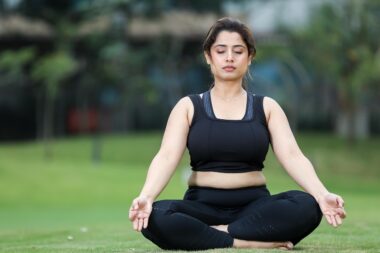
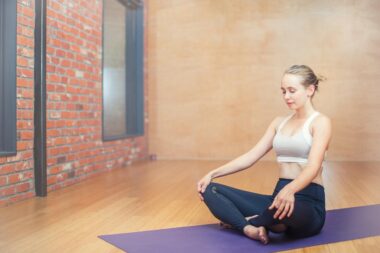
Incorporating meditation within HIIT routines requires thoughtful planning and execution. Participants can benefit from adding a short meditation session before and after their workout. Aim for five to ten minutes of deep breathing or guided meditation. This practice helps quiet the mind, allowing participants to set clear intentions for their workout. It fosters a sense of purpose and mental readiness, which can significantly enhance performance during physical exertion. Choose a quiet space where distractions are minimal when meditating before the HIIT session. Participants should focus on breathing techniques and visualization, reducing anxiety and improving focus during exercise. After the workout, taking time for mindfulness helps cool down and regain awareness of bodily sensations. Use this time to reflect on the workout experience, what was achieved, and areas for improvement. Engage in gentle stretching while remaining mindful of breath. This process can facilitate a deeper connection with physical movement while aiding recovery. As with any practice, consistency is key; making meditation a regular part of workouts promotes lasting mental benefits, maintaining motivation and commitment.
Mindful Transitions During HIIT
HIIT involves rapid transitions from one exercise to another, which can create physical and mental chaos. By incorporating meditation, individuals can practice mindful transitions that enhance performance. Breathing techniques play a crucial role in making these shifts smoother. For example, as participants complete one high-intensity segment, they can take a deep, controlled breath to prepare for the next exercise. This practice grounds the participant, ensuring they enter the next phase focused and ready. It also helps regulate heart rate, making physically demanding work feel more manageable. Another effective technique is visualizing the upcoming exercise. Before transitioning to a new movement, take a moment to visualize success, positioning, and execution. This mental rehearsal fosters confidence, increasing the likelihood of optimal performance. Another key aspect to remember is the importance of body awareness. High-intensity exercises frequently push limits; remaining mindful helps avoid injuries by tuning into body signals and making necessary adjustments. Ultimately, mindful transitions can transform HIIT into an empowering experience, nurturing both physical prowess and mental resilience.
The benefits of combining meditation with HIIT extend beyond individual workouts; they contribute to long-term fitness goals. A regular practice fosters not just improved fitness levels but also a more balanced life stance. Incorporating mindfulness allows participants to cultivate patience, persistence, and dedication over time. As individuals embrace challenges in the HIIT setting, they learn to carry this mindset into their everyday lives. This mindset shift fosters a healthy relationship with fitness, reducing the risk of burnout. Motivated participants often see significant improvements in their workouts, encouraging them to push harder during intense intervals. Additionally, this synergy promotes mental clarity that enhances focus during both personal and professional undertakings. Meditation teaches individuals to remain present, enabling proactive responses to stress and challenges that might otherwise derail progress. This newfound awareness leads to better decision-making and overall life satisfaction. As mindfulness becomes an integral part of fitness routines, individuals often find themselves seeking deeper self-discovery and understanding. The overall result is a more fulfilling journey toward health and well-being, with a holistic approach that nurtures body, mind, and spirit.
Enhancing Recovery with Mindfulness
Recovery plays a crucial role in fitness, especially for those engaging in high-intensity regimes. By integrating meditation into the active recovery phase, participants can enhance their recovery both physically and mentally. Starting with mindfulness can help focus on breath patterns while doing light stretching or yoga. This practice aids in releasing tension accumulated during intense workouts, promoting muscle recovery. Meditation encourages relaxation, activating the parasympathetic nervous system, which is essential for healing and restoration. Engaging in gentle mindfulness practices, such as focusing on sensations in the body and practicing guided visualizations, speeds up recovery and enhances performance in subsequent sessions. Moreover, taking time to reflect on workout sessions and outcomes during recovery fosters personal growth and awareness of progress. These moments of introspection can unlock new understandings about oneself, paving the way for informed goal-setting and adaptation of workout plans. Such practices can enable participants to listen to their bodies better, improving training regimens and preventing injuries. Therefore, the meditative approach to recovery stands as a vital component of a well-rounded HIIT strategy.
Combining meditation and HIIT requires a balance of intensity and awareness. Participants may initially find it challenging to maintain focus while performing high-intensity movements. However, this can be improved with practice. Repeated meditation before and during workouts cultivates a deeper sense of awareness regarding physical dynamics. As practice continues, a connection develops between mind and body that allows for smoother control amidst intensity. Those engaged in HIIT can enhance their ability to remain present, even when fatigue sets in, enabling them to push their limits further than before. A newfound ability to recognize cues signaling the need for a pause allows participants to modulate intensity and avoid overexertion effectively. Achieving this harmony between stretching personal limits and maintaining mindfulness leads to sustainable progress. Participants often report feelings of empowerment and achievement as they master this synergy. Feeling connected during workouts can transform the overall experience as practitioners learn to relish each moment spent exercising. Ultimately, this uniqueness transforms fitness from a chore into a fulfilling practice that continually motivates individuals to strive for greater heights.
Conclusion: The Balance of Fitness and Mindfulness
In summary, the integration of meditation within HIIT routines brings forth numerous benefits that empower individuals in both mind and body. Fostering mindfulness not only enhances performance during workouts but also transforms the participant’s relationship with fitness. This powerful combination can lead to improved physiological outcomes while contributing to mental well-being. As practitioners develop their ability to remain present during training, they discover new dimensions of strength, resilience, and understanding. Adopting mindfulness as part of the fitness journey can ignite inspiration for sustainable healthy habits and serve as a beacon toward personal development. Continuous improvement enhances self-awareness and can facilitate enduring lifestyle changes, making fitness a source of joy rather than a mere obligation. Individuals are encouraged to embark on this journey of combining meditation and HIIT, exploring the multifaceted aspects of both practices. Newcomers and seasoned fitness enthusiasts alike can benefit from intentional integration of mindfulness. The journey requires patience, practice, and dedication, but the rewards are deeply enriching. Ultimately, individuals can cultivate a sense of harmony in their fitness journeys as they embody the ethos of mindfulness and high-intensity training.