
Seasonal Dance Therapy Routines to Keep You Motivated
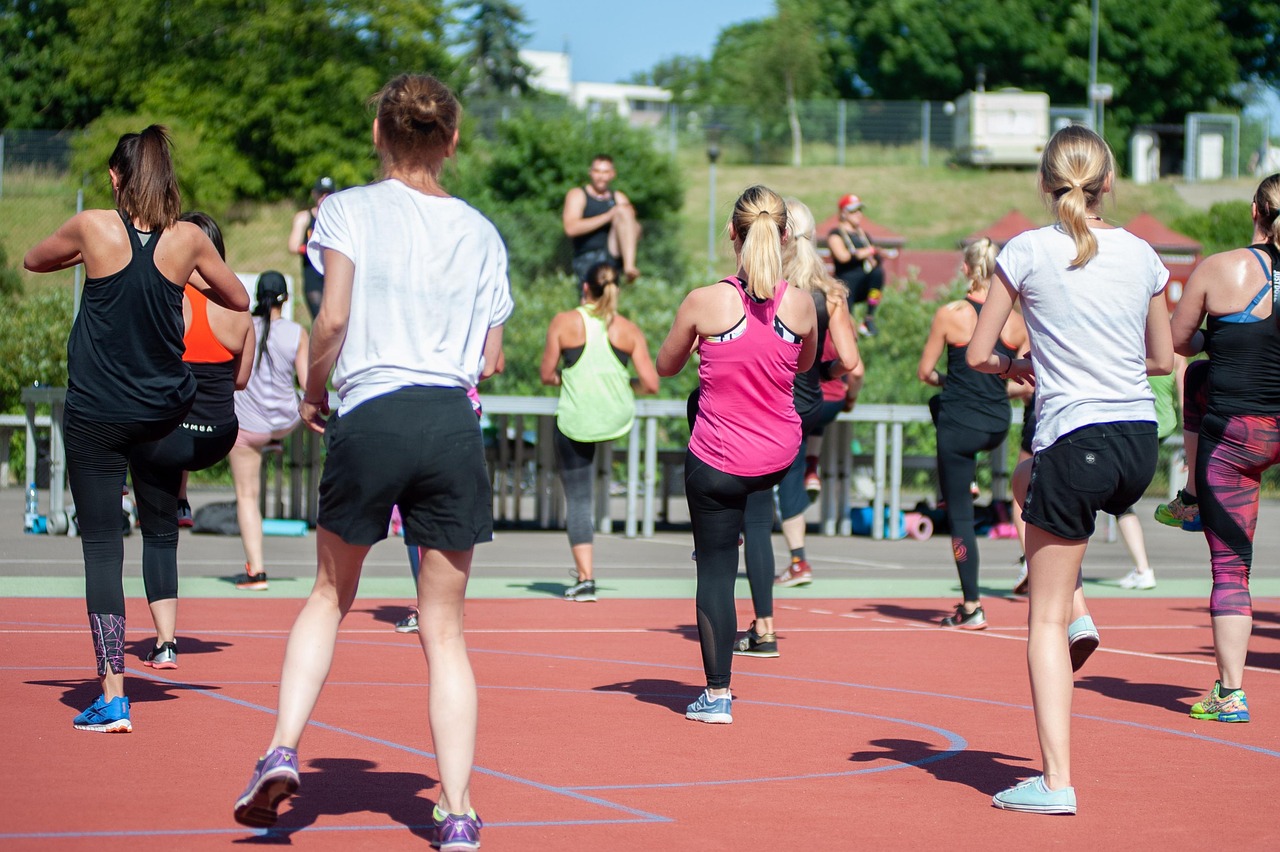
Dance therapy is an incredible way to boost your mental, emotional, and physical health while having fun. Embracing this form of expression during various seasons can enhance your experience. In winter, focus on warm-up routines that incorporate gentle, flowing movements. These movements help alleviate the winter blues and promote flexibility as you feel the chill in the air. In contrast, spring invites energizing group workouts that combine upbeat music with lively dance styles. Look for classes that focus on contemporary or jazz, which can uplift your spirit. Summer is a perfect time to seek outdoor sessions, where you can enjoy the sun, sand, and surf while dancing. Styles like Zumba or reggae can get your heart rate up as you groove with friends. In autumn, transition into more introspective routines that incorporate expressive movements, connecting your body with the changing colors of nature. The beauty of dance therapy is that it caters to everyone, regardless of fitness level. You might explore classes that focus on bolstering strength, balance, and coordination, improving your overall wellness while making social connections.
Building a consistent dance therapy routine can be a fantastic way to engage with others and maintain motivation throughout the year. Dance classes should not only entertain but also foster a sense of community and support among participants. Look for local studios or community centers that hold group classes tailored to various dance styles. Also, consider engaging in online dance therapy sessions that offer virtual classes with instructors and fellow participants worldwide. Taking part in seasonal dance challenges, where you share your progress on social media, creates a fun atmosphere. This allows you to showcase your newfound skills and celebrate victories, big and small, with your social circle. Another way to maintain motivation is by keeping records of your progress. Documenting your journey—through videos or notes—helps to visualize the improvements you make in your techniques and fitness levels. Nevertheless, ensure that you explore different styles within dance therapy—variety keeps things fresh! Try Afrobeat on one day and then switch it up with ballet the next. Engaging in different dance types not only improves your versatility but also maintains your excitement about attending classes consistently.
The Importance of Creating Seasonal Goals
Establishing seasonal fitness goals can significantly motivate you throughout your dance journey. Each dance cycle presents unique opportunities to learn new techniques and styles, so why not set specific targets to reach during each season? For instance, in winter, you may decide to focus on mastering core techniques or improving your routine for an upcoming performance. Setting performance-based goals adds an element of excitement and provides a structured path for your practice sessions. In spring, ramp up the energy and aim to integrate faster-paced dance styles into your routine. Experiment with choreography that challenges your body while providing stimulating rhythms to work with. As summer approaches, consider an outside performance to celebrate your learnings! Autumn can prompt introspection, allowing you to evaluate your progress and appreciate milestones throughout the year. Sharing your achievements with fellow dancers in your community can foster group encouragement. Additionally, it enhances the bonds formed in your dance group. No matter the seasonal focus, maintaining clear, achievable goals helps you stay motivated throughout your dance therapy experience, ensuring continuous growth in your skillset.
Utilizing Music to Enhance Your Experience
Music is the heart of any effective dance therapy routine; it propels emotion and movement. Selecting the right playlist based on the seasonal theme significantly enhances the connection you create with your movements during a class. In winter, lean into soothing melodies that create a peaceful atmosphere. Allow yourself to be transported to warm, sunny environments through flowy, gentle compositions. As spring blooms, transition to upbeat tracks that synchronize with the lively and energetic movements characteristic of the life blossoming around you. Summer calls for celebratory rhythms that fill the air with energy, encouraging thrilling and spontaneous performances. Dancing under the sun can be exhilarating as you move to your favorite summertime hits. In autumn, opt for songs that embody the nostalgia of change. Find a balance between soft melodies and invigorating beats to reflect upon the shift in seasons. Also, consider creating personalized playlists influenced by your experiences in dance therapy classes. The right music resonates with each movement, enhancing your therapy’s emotional and psychological benefits, thereby contributing to holistic wellbeing.
Attending group dance therapy classes offers various physical benefits that can significantly improve overall wellness. It increases cardiovascular health and muscular strength while enhancing flexibility and coordination. The social interaction during group sessions helps combat isolation and feelings of loneliness—vital aspects of mental health. Group classes provide a stage for shared experiences, fostering friendships and community networks. Engaging in dance therapy helps participants express emotions in healthy ways. It acts as an emotional outlet, allowing participants to tap into and release feelings through movement. This expressive outlet can be particularly beneficial for managing stress or anxiety, aligning with various dance therapy techniques. Moreover, by regularly participating in group sessions, individuals can encounter personal growth. The shared energy and motivation from fellow dancers inspire each person to explore new movements, improve physical coordination, and even achieve personal aspirations. Having others to share in the experience makes a world of difference for maintaining fitness goals. Being part of a supportive network elevates enthusiasm—making the journey enjoyable and rewarding while creating lasting memories and connections with like-minded individuals on their own dance journeys.
Finding the Right Classes for You
Identifying suitable dance therapy classes tailored to your needs can add immeasurable value to your overall experience. Various styles and skill levels are available, ensuring there’s something to pique everyone’s interest. Reach out to your local studios or therapy centers to explore options that resonate with you the most. It’s vital to consider factors such as your fitness level, open to new challenges, and personal interests. Some classes may blend elements of yoga or Pilates, which offers relaxation alongside movement. By integrating different approaches, you can enhance the therapeutic benefits of your dance experience while exploring new frontiers. If you are new to dance therapy, consider attending introductory sessions where you can familiarize yourself with various styles before committing to one. Additionally, look for classes with experienced instructors who empower you to express yourself fully. Online platforms can also provide an array of classes for various skill levels. Engaging in dance therapy should feel natural, so prioritize finding the right fit that aligns with your preferences and comfort zone, promoting a positive experience while maintaining motivation as you continue your journey.
As you progress through different seasonal dance therapy challenges, prioritizing self-care is crucial. Dance can be physically demanding, so listening to your body and rest when necessary is essential. When participating in energetic classes, ensure you’re adequately hydrated, nourished, and prepared for each session. Stretching before and after classes can help minimize soreness while promoting flexibility and recovery. Observe how your body responds to various routines, understanding that improvement takes time and patience. Some days may feel harder than others, but the key is to remain consistent. Embrace the process, focusing on personal growth as you dance your way through the seasons. Incorporate journaling to document your feelings, thoughts, or inspirations encountered during dance classes. Writing can facilitate your emotional processing while giving insight into your evolving relationships with movement. Additionally, integrate mindfulness and relaxation techniques into your routine. Meditation or deep breathing can ground you before and after classes. By prioritizing self-care, you reinforce not only your physical health but your emotional resilience too, allowing you to truly thrive through your seasonal dance therapy journey, cultivating a fulfilling and continuous experience.