
The Evolution of Breathing Techniques in Pilates History
Breathing techniques have always held a significant place in Pilates practice. Joseph Pilates emphasized the importance of proper breath for achieving optimal physical performance and mental clarity. He believed that breath is the foundation of all movements and essential for a successful Pilates workout. In the early days of Pilates, the breathing technique was closely tied to the rhythm of movement. Practitioners were taught to inhale while expanding the rib cage and exhale while performing the core movements. This method enhanced body control and improved oxygen flow. Over time, various breathing techniques were developed as Pilates gained popularity across the globe. Some schools emphasized lateral thoracic breathing, while others promoted deeper abdominal breathing. The idea was to promote relaxation and enhance overall well-being. Variations emerged, with some instructors integrating breath awareness into meditation practices, thereby anchoring the mind as well. Today, Pilates continues to evolve, with instructors drawing from diverse movements and breathing styles. As we explore the current trends in Pilates breathing techniques, it becomes clear that breath serves as the bridge connecting body and mind in this well-rounded practice.
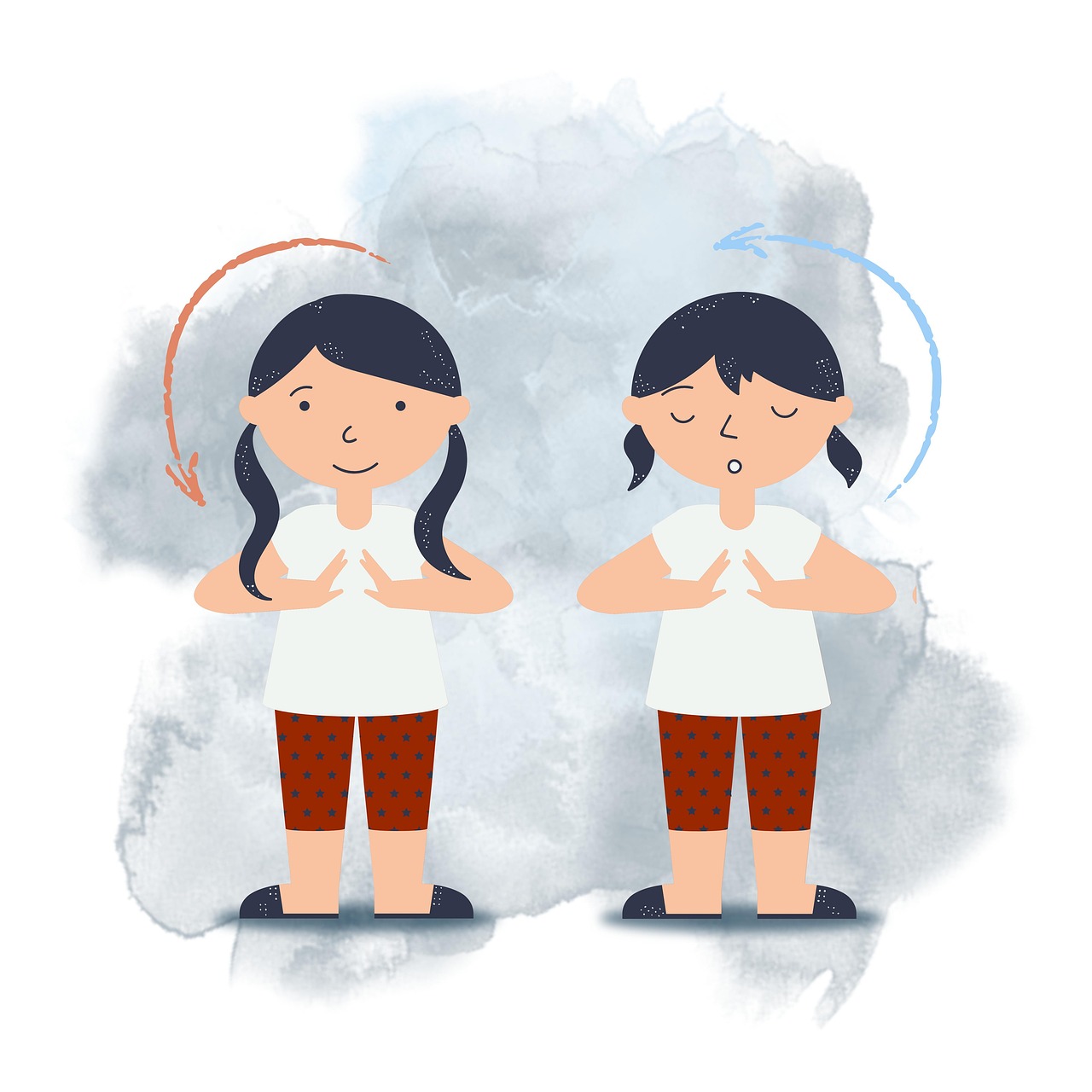
In the realm of Pilates, several distinct breathing techniques have emerged, each offering unique advantages. One of the most widely recognized methods is lateral thoracic breathing. This technique encourages practitioners to expand their rib cages to the sides during inhalation, enhancing lung capacity and promoting greater oxygen intake. Another popular method is abdominal breathing, where the diaphragm is engaged fully, leading to deeper and more efficient breaths. This technique is particularly valuable for core strengthening and stability. Additionally, the 360-degree breath, which invites practitioners to engage their whole torso for maximum expansion, is gaining traction in contemporary practices. Instructors often emphasize how these diverse techniques can support individual goals, whether they aim for improved athletic performance or rehabilitation post-injury. Another important aspect is the synchronization of breath with movement. In Pilates, each inhalation and exhalation is intricately linked with a particular movement pattern, which aids in the overall effectiveness of the exercise. Practitioners can harmonize their breathing with the rhythm of their movements, resulting in a more cohesive and fluid experience on the mat. This awareness cultivates mindfulness and enhances the overall benefits of the Pilates method.
Historical context plays a crucial role in understanding the evolution of breathing techniques in Pilates. When Joseph Pilates first established his method in the early 20th century, he was influenced by various physical disciplines, including martial arts and yoga. These practices often incorporated specific breathing techniques that aimed to enhance physical performance and mental focus. Pilates sought to adapt these proven methods into his system, creating a unique approach that melded body control with breath. The integration of breath into his exercises served not just as a support mechanism but fostered deeper engagement with physical movement. As Pilates gained traction worldwide, its breathing techniques began to reflect regional adaptations and preferences. For example, in the United States, the focus predominantly shifted towards functional breathing linked to everyday activities, whereas in Europe, a more traditional approach was retained. This divergence illustrated how Pilates evolved in different cultural contexts, influenced by the practitioners and teachers that popularized it. Moreover, it highlights the adaptability of Pilates, allowing its foundational principles to thrive across different communities while still retaining the core focus on breath.
Modern Innovations in Breathwork
Today, the approach to breathwork within Pilates has expanded due to modern innovations and research. Instructors now utilize breathing aids and props to facilitate the learning process for students. Devices such as breath trainers can help regulate inhalation and exhalation patterns, thereby allowing practitioners to experience the effects of optimal breathing firsthand. Additionally, technology plays a role in this evolution. Online classes, apps, and video tutorials have opened access to diverse breathing techniques and instructional resources for a global audience. With an emphasis on proper form and methodology, many practitioners can explore and refine their breathing skills virtually, making Pilates accessible anywhere, anytime. Furthermore, the connection between breath and mental well-being is increasingly emphasized. Recent studies highlight how breath control can impact stress levels and emotional regulation, aligning with the holistic philosophy of Pilates. As insights from the medical and psychological fields continue to surface, instructors are integrating these findings within their teaching. Consequently, today’s Pilates sessions emphasize not just the physical exercises but also the profound impact of conscious breathing on overall health and wellness.
This evolving understanding of breathing techniques is reshaping the curricula in Pilates training programs. Aspiring instructors now receive comprehensive training that includes anatomy, biomechanics, and breath mechanics. This knowledge equips them to teach various breathing techniques effectively and tailor their classes to meet the diverse needs of students. Notably, workshops and continuing education courses are increasingly dedicated to breathwork, emphasizing its impact on performance outcomes. Teachers are now encouraged to explore and experiment with different breathing techniques, keeping their classes dynamic and engaging. For instance, some teachers introduce practices from yoga to enhance breath focus within the Pilates context. The goal is to inspire greater awareness and connection among students regarding how breath influences movement efficiency and overall well-being. Moreover, this trend has led to a growing community of practitioners advocating for the importance of breath. They organize events and discussions centered around integrative practices that merge Pilates with breath-focused disciplines. This collective drive has solidified the history of breath in Pilates while pushing the method into exciting new territory that continuously evolves.
The Future of Breathing Techniques in Pilates
Looking ahead, the future of breathing techniques in Pilates appears bright as new research and innovations emerge. The integration of holistic elements, including mindfulness and self-awareness, will likely continue to guide how instructors teach breath in their sessions. Expect to see an increase in collaborations between Pilates practitioners and professionals from other fields, such as respiratory therapy or holistic health. These collaborations will foster the exchange of techniques and knowledge that can further enrich the Pilates community. Moreover, as the awareness of the significance of mental health continues to grow, breathing techniques are poised to gain even more attention within Pilates practice. This connection between mind and body should lead to the development of novel approaches that resonate with a more diverse audience. Instructors will seek to ensure that breath remains an integral part of the Pilates journey, helping practitioners achieve not just physical strength but also emotional stability and clarity. As Pilates continues to intrigue and attract new followers, the evolution of breathing techniques will undoubtedly keep pace, ensuring that the method remains relevant in our ever-changing world.
In summary, the evolution of breathing techniques in Pilates highlights the significance of this method in holistic health and fitness. From its inception by Joseph Pilates to its modern interpretations, breathing has always played a pivotal role in shaping how practitioners engage with their bodies. The emphasis on various breathing techniques illustrates the diverse approaches to breathwork, which can cater to different goals and experiences. As the Pilates community embraces innovation, its understanding of breath is also becoming more nuanced. Instructors are increasingly aware of how breath can facilitate improved movement mechanics and contribute to emotional well-being. As Pilates incorporates new research and insights, the future of breathing techniques promises to foster a more profound connection between body and mind in practitioners worldwide. This evolution stands as a testament to Pilates’ adaptability and relevance in an age where holistic health practices are gaining ground. By honoring the history of breath within Pilates while looking towards its innovative future, the community can stay committed to providing valuable and meaningful experiences for practitioners. Whether for athletic performance or personal wellness, proper breathing techniques will remain central to the Pilates experience.