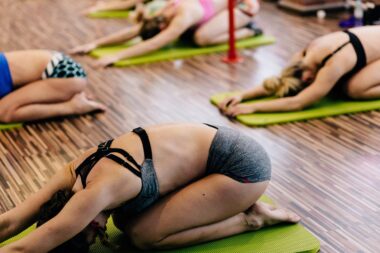

Using Flexibility Training to Combat Sedentary Lifestyle Effects
Flexibility training is an essential component of physical fitness, especially in combating the adverse effects of a sedentary lifestyle. Prolonged immobility can lead to muscular stiffness and imbalances, which can significantly affect posture and overall well-being. Engaging in a regular flexibility regimen helps enhance the elasticity of muscles and joints, which can drastically improve movement efficiency. This becomes particularly crucial for individuals whose routines involve long hours of sitting, such as office workers or remote employees. Implementing a daily stretching routine can counteract the tightness in major muscle groups and promote better circulation. This not only alleviates discomfort but also reduces the risk of injuries associated with tight muscles. Moreover, flexibility training fosters a greater range of motion in joints, which is vital for performing everyday activities with ease. Enhanced flexibility can directly impact physical performance by allowing individuals to execute movements more fluidly and with less strain. Therefore, incorporating flexibility exercises into daily life is paramount for those seeking to mitigate the impact of sedentary habits.
The Advantages of Stretching Exercises
Incorporating stretching exercises as part of fitness can yield numerous benefits for those combating sedentary behavior. First and foremost, flexibility exercises enhance blood flow, ensuring that muscles receive the necessary oxygen and nutrients for optimal function. Improved circulation can lead to decreased feelings of fatigue and an overall boost in energy levels. Additionally, engaging in stretching routines can help alleviate tension built up from prolonged sitting. When sitting for extended periods, muscles can become tight, especially in the hips, back, and neck. By performing targeted stretches, individuals can release this tension and restore balance to their bodies. Furthermore, flexibility training significantly contributes to injury prevention. An increased range of motion allows for better movement mechanics, reducing the likelihood of strains and sprains during physical activities. Additionally, stretching can improve posture, which in turn impacts mental clarity and emotional well-being. By nurturing flexibility, individuals can experience improvements in their daily functions and overall quality of life. This makes flexibility training an indispensable part of a comprehensive fitness strategy aimed at combating the negative ramifications of a sedentary lifestyle.
Stress relief is another valuable benefit associated with flexibility training. Engaging in stretching exercises not only addresses physical constraints but also helps relieve mental stress. Deep breathing techniques often incorporated into flexibility routines promote relaxation and calmness. When individuals take time to stretch and focus on their bodies, they allow themselves a moment to step back from their hectic routines. This dedicated time for self-care can have profound physiological effects, as releasing tension through movement encourages a reduction in cortisol levels, the hormone associated with stress. Additionally, hormonal balance can further aid mental clarity and enhance mood. Incorporating mindfulness into flexibility training provides an excellent opportunity to reconnect with one’s body, reinforcing the mind-body connection that’s often disrupted in a busy lifestyle. Through a regular practice of flexibility training, individuals can establish a healthy coping mechanism, guiding them through daily stressors more effectively. Practicing these routines consistently can lead to improved mental health outcomes, making flexibility training a holistic approach to overall wellness. Whether at home or in a gym setting, prioritizing flexibility can transform one’s quality of life significantly.
Functional Benefits of Increased Flexibility
The functional advantages of increased flexibility extend beyond the gym into everyday activities. Improved flexibility can result in enhanced physical performance in various sports and recreational activities, allowing individuals to participate in movements with greater efficiency. A body that is more flexible has the capacity to adapt to various physical demands while reducing the risk of injuries. Whether reaching for an item on top of a shelf or bending down to pick something up, flexibility empowers individuals to perform these tasks with ease and efficiency, thereby enhancing their daily living experiences. In addition, older adults can particularly benefit from flexibility training as it can help maintain mobility and independence longer into their later years. Stretching routines can improve balance and coordination, further reducing the risk of falls, which is a significant concern for seniors. Moreover, flexibility promotes overall joint health by enhancing synovial fluid movement, ensuring that joints lubricate effectively. Therefore, incorporating flexibility training into regular practice can lead to a more vibrant, functional, and independent lifestyle regardless of an individual’s age or activity level.
Flexibility training also plays a crucial role in injury recovery and rehabilitation. Individuals recovering from injuries often experience limitations in range of motion, which can inhibit their return to regular physical activity. A well-structured flexibility routine can facilitate the healing process by encouraging better blood flow to injured areas while promoting relaxation. Gentle stretching can help maintain muscle elasticity and joint functionality, crucial components in regaining lost mobility. Moreover, physical therapists often incorporate flexibility exercises into rehabilitation programs to ensure a comprehensive recovery approach. These tailored routines assist patients in strengthening the surrounding muscles and stabilizing joints, combating the stiffness that often accompanies inactivity during the healing process. Importantly, individuals should consult health professionals for appropriate stretches to support their rehabilitation effectively. Through consistent flexibility training, patients can experience a smoother transition back to their activities and even gain enhanced strength and endurance, promoting overall fitness. Flexibility serves as an integral part of the recovery journey, enabling individuals to recover and prevent future injuries. In this way, flexibility training remains essential for comprehensive health in various contexts.
How to Incorporate Flexibility Training
Incorporating flexibility training into daily routine can be simple and rewarding. Individuals can start devoting just a few minutes each day to stretching sessions, targeting major muscle groups like the hamstrings, quadriceps, back, and shoulders. Utilizing resources such as online videos or apps designed specifically for flexibility training can enhance the exercise experience. Setting reminders to practice throughout the day can also promote consistency, especially for those working long hours at a desk. Seeking guidance from fitness professionals can also provide personalized stretching plans tailored to individual needs and limitations. Flexibility training can easily blend into warm-up or cool-down routines before and after workouts. This combination not only improves flexibility but also aids in recovery from strength training sessions. Joining group classes focused on yoga or Pilates can provide a social component to flexibility training, making it enjoyable and motivating. The key to successful flexibility training is consistency. Establishing a routine that prioritizes flexibility will yield significant long-term health benefits that combat the effects of a sedentary lifestyle. Ultimately, taking small but deliberate steps ensures a more mobile and flexible body.
To further enhance the benefits of flexibility training, individuals should consider complementing their routines with strength training and cardiovascular activities. Balancing different forms of exercise creates a well-rounded fitness regimen that addresses all aspects of health. Strength training helps build muscle, which supports joint stability and overall posture. Meanwhile, cardiovascular activities improve heart health and endurance, reinforcing the benefits of flexibility. Together, these approaches synergistically counteract the adverse effects of prolonged sitting by ensuring that the body remains strong, mobile, and energized. Moreover, staying hydrated is essential for maintaining flexibility. Adequate hydration keeps joints lubricated and aids in muscle function, preventing cramps and stiffness during stretching. Nutrition also plays a vital role; consuming a balanced diet rich in vitamins and minerals promotes tissue health, enhancing the efficacy of flexibility training. It is also beneficial to listen to one’s body, adjusting routines as necessary to avoid excessive strain. Ultimately, flexibility training serves as a foundational element in a comprehensive fitness approach. By integrating strategies such as strength and cardio alongside a focus on flexibility, individuals can enjoy a healthier, more active lifestyle that combats the negative impacts of sedentary living.
In conclusion, flexibility training is a vital tool in addressing the detrimental effects of a sedentary lifestyle. Regularly practicing flexibility exercises can enhance mobility, improve posture, and reduce stress, consolidating overall well-being. In addition to combatting muscle stiffness and imbalance, flexibility fosters better circulation, providing the body with the necessary oxygen and nutrients it requires. Notably, flexibility training can significantly reduce the risk of injury, promoting safer participation in physical activities. It supports recovery and rehabilitation, allowing individuals to regain strength and mobility after injury effectively. By incorporating stretching into daily routines, anyone can experience the functional advantages of flexibility, from improved movement efficiency to enhanced quality of life. Remember to embrace a holistic approach, integrating flexibility with strength training and cardiovascular exercises for optimal health. Simple strategies such as attending classes, utilizing online resources, and setting meaningful goals can make flexibility training enjoyable and achievable. Ultimately, flexibility training empowers individuals to adapt better to the demands of their lifestyles while reducing the risks associated with prolonged periods of inactivity. Embracing flexibility as an intrinsic part of health can lead to a more satisfying, active, and fulfilling life.