
Understanding the Biomechanics of Shooting in Basketball
The biomechanics of shooting in basketball is a complex process that can significantly impact a player’s performance. A well-executed shot requires proper alignment, body mechanics, and timing to achieve optimal success. The shot begins with the player’s stance, which must be balanced and stable to provide a solid foundation. Players should engage their core muscles, maintaining a strong base that enables effective transfer of energy from the legs to the shooting arm. As players prepare to shoot, their focus shifts to the basket, ensuring they align their upper body correctly. The shooting hand should cradle the ball, while the non-shooting hand acts as a guide. Throughout the shooting motion, players must utilize their legs and upper body in unison. This synergy allows for maximum power generation and accuracy. The follow-through is equally important, as it ensures proper shot trajectory and spin. Players must remain relaxed and fluid during this motion. Understanding these biomechanics can help players refine their technique, leading to improved shooting efficiency and performance on the court. Continuous practice is essential to enhance muscle memory and develop a more effective shooting form.
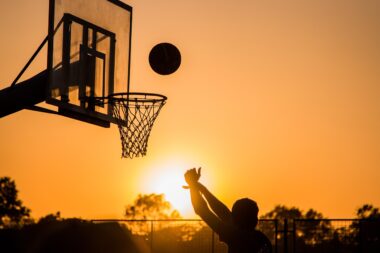
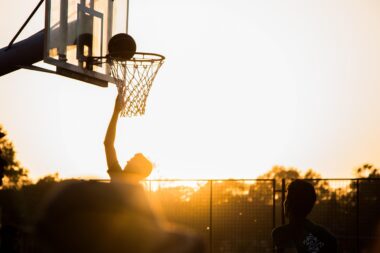
Biomechanics plays a crucial role in basketball shooting technique, emphasizing the significance of muscle control. A player’s ability to generate power begins in the lower body, as the legs provide a vital source of strength. Players often begin with a crouched position, allowing them to explode upwards into the jump shot. Proper mechanics involve bending at the knees, maintaining an initial alignment that directs energy toward the shot. Timing is key during this process; players must synchronize their jump with their shooting motion. This movement enables a fluid shot by utilizing natural body mechanics. There are two essential phases to shooting: the preparation phase and the release phase. The preparation phase involves hoisting the ball and positioning it. During the release phase, players must extend their legs and arms simultaneously, directing the force towards the hoop. Engaging the wrist to produce backspin also improves shot accuracy, allowing the ball to grip the rim. Practicing different shooting drills enhances understanding of these biomechanics while encouraging repetition. Educators and coaches should focus on bridging these technical aspects to the holistic development of players in training sessions.
Common Shooting Techniques
Several common shooting techniques can help basketball players develop their shooting mechanics. The jump shot is undoubtedly the most recognized technique among players, providing elevation for a smoother release. This technique allows players to shoot over defenders, increasing scoring chances. Conversely, the set shot is another essential technique, often employed when players are stationary. This method emphasizes balance and control while allowing players to shoot accurately from mid-range distances. The bank shot, which utilizes the backboard, offers a strategic approach to shooting. Players must understand how to angle their shots effectively to ensure a favorable bank. Free throws, an unopposed shot, are also critical in assessing shooting mechanics. Players must focus on their rhythm, aiming for consistency with proper alignment and form. Practicing these various shooting methods will significantly influence a player’s overall shooting skills. Every player can benefit from recognizing situational shooting techniques within the game. Combining these techniques enhances versatility while allowing players to adjust according to game dynamics, promoting adaptability and increased scoring opportunities throughout basketball matches.
Biomechanical analysis is a powerful tool in understanding shooting performance in basketball. Utilizing advanced technology, coaches can analyze players’ shooting techniques in-depth, identifying opportunities for improvement. Tools like video cameras and performance software help break down movements into measurable components. This data allows both players and coaches to gain insights into factors like shot angles, release speed, and follow-through execution. By gathering quantitative data, adjustments to a player’s technique can be made more scientifically. For example, if a player consistently misses shots to one side, adjustments can be made to their stance or follow-through direction to address the issue. Biomechanical assessments have proven effective in refining shooting techniques, ultimately enhancing performance. Players who embrace technology and analytics will lead the charge towards more efficient shooting practices. Coaches should leverage these insights to develop tailored training regimens that suit individual player needs. Engaging players in biomechanical analysis enriches their understanding while helping them develop a personalized approach to shooting training. Such assessments help cultivate skill development and promote overall growth, ultimately enriching the athletes’ performance on the court during games.
Physical Conditioning for Optimal Shooting
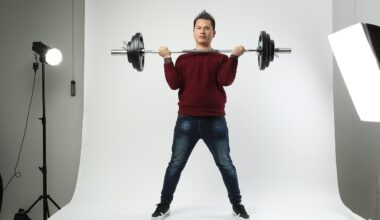
Athletic conditioning plays a significant role in the biomechanics of basketball shooting. Optimal physical conditioning can enhance players’ shooting performance by improving strength, flexibility, and endurance. Building lower body strength is crucial as it helps players generate explosive power for jumps and shots. Plyometric exercises, such as box jumps and jump squats, help develop these muscles. Additionally, core strength is vital in stabilizing the body during shooting. A strong core allows for better balance and control, reducing the risk of injury. Flexibility is equally essential; engaging in stretching routines can significantly increase range of motion in players, improving their overall shooting form. Flexibility helps to allow for better alignment and can contribute to more fluid shooting motion. Moreover, endurance training enhances players’ stamina, ensuring they maintain shooting efficiency throughout the game. Conditioning should be incorporated into regular training sessions, fostering optimal shooting performance. Players aiming to excel should prioritize overall physical conditioning in conjunction with biomechanical understanding, creating a well-rounded approach that facilitates skill development while enhancing on-court performance during games.
The role of mindfulness and mental preparation also cannot be overlooked in basketball shooting performance. Mental focus is essential, allowing players to manage pressure and make crucial shots during games. Developing a strong mental game incorporates visualization techniques, meditation, and breathing exercises. These practices enhance concentration and allow players to stay mentally sharp during high-stress situations, such as the final moments of a game. Visualization techniques involve mentally rehearsing successful shots, helping players create mental templates that translate onto the court. Regular mental conditioning can improve shot accuracy and boost overall confidence. Furthermore, managing anxiety through relaxation techniques, such as controlled breathing, can positively influence shooting performance. Players often face immense stress levels in competitive settings, making mental resilience critical. Coaches and sports psychologists should emphasize the importance of mental preparation in conjunction with physical training. Fostering a holistic approach to player development enhances individual performance, ensuring they can perform consistently under pressure. By integrating mental preparation strategies into training regimens, players develop stronger shooting capabilities while fostering confidence and focus essential for success on the basketball court.
Conclusion
Understanding the biomechanics of shooting in basketball involves recognizing the intricate relationship between physical mechanics and mental preparation. Players must prioritize proper techniques, muscle control, and conditioning to maximize their shooting performance. Through continuous practice, players can develop their skills, fostering better accuracy and consistency in their shooting techniques. Coaches play an equally significant role in guiding athletes towards improvement by integrating biomechanics and conditioning into training sessions. While physical aspects are crucial, mental preparation remains an essential element of shooting success. Incorporating mindfulness and visualization strategies can enhance focus, allowing for better execution during high-pressure game scenarios. Players who embrace a comprehensive approach will improve their shooting ability, ultimately elevating their performance on the court. This understanding creates opportunities for addressing both physical and mental challenges faced during gameplay. As athletes develop their shooting skills, they will build confidence in their abilities, enhancing their overall gameplay experience. Emphasizing the interconnected nature of these aspects helps create better-rounded athletes capable of thriving in competitive basketball environments, reinforcing the importance of continuous improvement in the sport.