
Safety Precautions and Spotter Tips in Powerlifting Training
Powerlifting is a thrilling sport that calls for precision, strength, and safety. To begin, understanding the importance of safety measures is essential for every lifter. First, ensure that the training area is free from obstacles and clutter. This not only enhances focus but minimizes the risk of accidents. Additionally, proper warm-up routines are indispensable. They prepare the body, reducing the risk of strains and injuries while increasing performance. Lifters should invest time in stretching and slowly increasing the weights they lift. Using proper gear, such as weightlifting shoes and belts, can provide necessary support, ensuring spinal stability during lifts. Furthermore, communicating with your training partners or spotters about your limits and any cues they should watch for during lifts is crucial. Spotters help prevent dangerous situations, especially when lifting heavy weights. This communication ensures everyone understands expectations, enhancing safety in the training environment. Finally, staying hydrated and listening to one’s body are fundamental aspects of safe powerlifting training. If fatigue sets in, take a break or adjust the weight accordingly.
Understanding Spotting Techniques
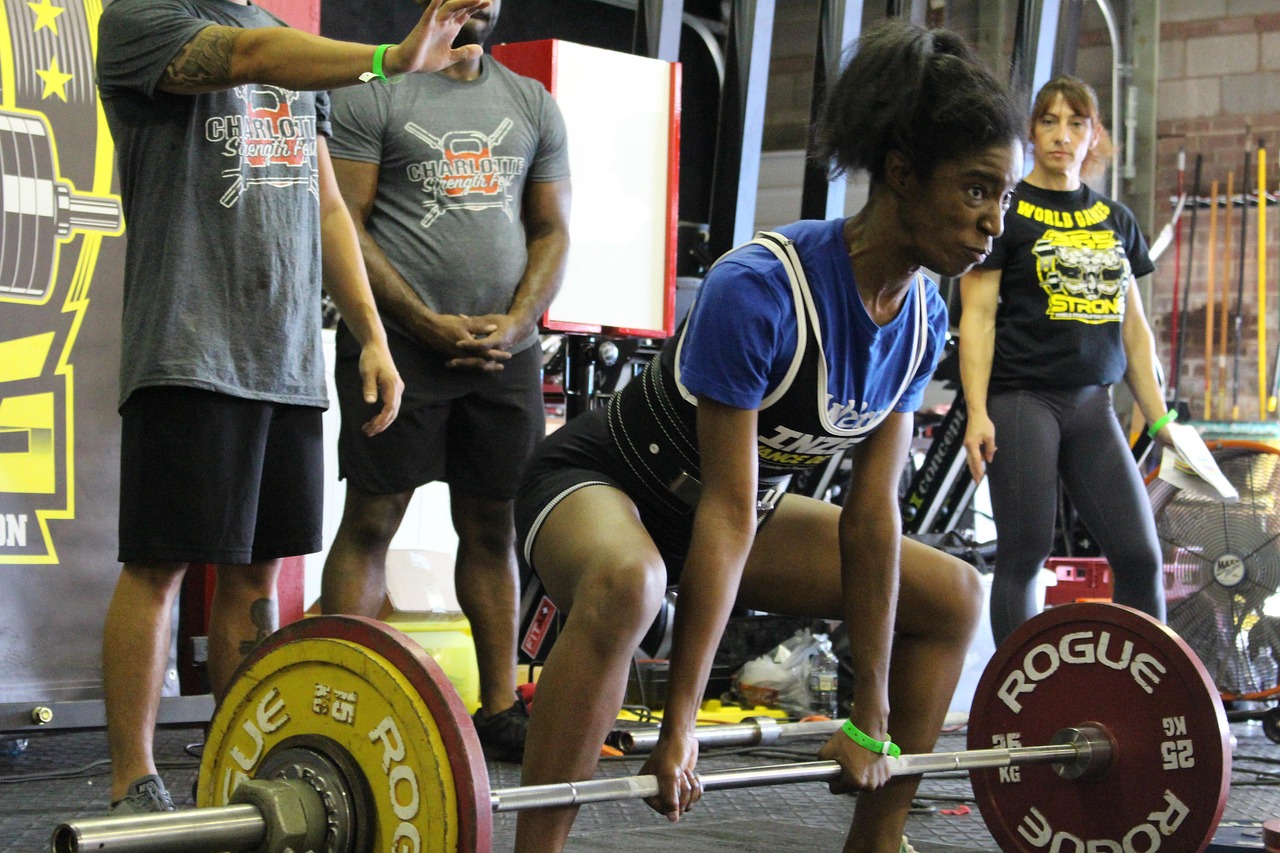
Spotting in powerlifting requires specific techniques that ensure safety and enhance performance. First, the spotter should be positioned correctly to respond effectively to the lifter. The ideal position often depends on the type of lift being performed. For bench presses, a spotter should stand behind the lifter. For squats, they may stand close behind, ready to help if the lifter falters. When spotting, it’s vital for the spotter to maintain an attentive posture without distractions. The primary responsibility of the spotter is to ensure that the lifter can perform successfully without risking injury. To manage emergencies, the spotter should have a firm grip on the barbell and be ready to assist immediately if necessary. Communicating specific cues, such as “lift” or “down,” fosters collaboration between the lifter and the spotter, enhancing focus and safety. It’s important for the spotter to stay calm under pressure and respond appropriately to the lifter’s needs. Regular practice of these techniques helps build trust and teamwork between the lifter and spotter, ultimately improving the efficiency and safety of powerlifting training.
Before engaging in any lifting, both lifters and spotters should define clear roles and expectations. This not only fosters communication but also enhances the overall experience for both individuals. It’s essential that the lifter communicates their needs, offering details such as the max weight they intend to lift. Spotters must then adjust accordingly and remain vigilant throughout the lift. Another essential aspect is practicing drills in a safe environment to perfect spotting techniques. This can involve using lighter weights or foam bars, allowing spotters to familiarize themselves with appropriate reactions. Furthermore, awareness of the lifter’s physical condition, such as if they have any injuries, is crucial for effective spotting. If a lifter appears fatigued or exhibits poor form, the spotter should encourage them to stop or lower the weight accordingly. Last but not least, providing positive reinforcement encourages both lifting partners. Verbal encouragement boosts the lifter’s confidence and motivates them to push through challenging sets, thus enhancing training results. Spotting should be a partnership based on trust and communication, ensuring safety remains a primary focus throughout the training sessions.
The Importance of Proper Equipment
Utilizing proper equipment is another critical factor in ensuring safety during powerlifting sessions. Lifters should invest in quality weightlifting gear designed for their specific needs. Items such as weightlifting belts provide additional support to the back, helping maintain spinal alignment during heavy lifts. Moreover, choosing appropriate lifting shoes is vital. These specialized shoes enhance the stability of the foot, reducing the chances of slipping or injury. Another essential consideration is using safety pins or a squat rack when lifting heavy weights, especially during squats. This equipment provides a safety net, allowing the lifter to set the bar down safely if they cannot complete a lift. Additionally, knee wraps can provide additional support during squats and deadlifts, reducing the risk of injury to the knee joints. The importance of maintaining equipment cannot be overstated; ensuring that bars, weights, and racks are in good condition is crucial for safety. Proper organization of equipment also plays a role in reducing accidents during training sessions. Following proper equipment protocols fosters an atmosphere conducive to safe lifting.
Engaging in powerlifting entails adhering to discipline and commitment, but also incorporating flexibility in training. It’s crucial to adapt training regimens according to any changes in physical condition or performance levels. While consistency is essential for growth, paying attention to one’s body is equally important. Excessive fatigue or pain is a signal to reassess training strategies, ensuring safety remains a priority. Regularly evaluating lifting techniques both individually and with feedback from coaches can assist in identifying detrimental habits. It’s helpful to record lifts on video to analyze form and make necessary adjustments. Moreover, maintaining a balanced diet and focusing on recovery aids in the overall performance and safety of the lifter. Adequate rest is equally important, as overtraining can result in injuries. Including rest days in the training schedule while heeding the body’s signals allows for recovery and discourages burnout. Finally, fostering a supportive training environment encourages lifters to prioritize their health and safety, promoting longevity in the sport. Incorporating advice from knowledgeable trainers can further enhance performance while upholding safety standards.
Conclusion: Prioritizing Safety
In conclusion, safety precautions must remain at the forefront of powerlifting training. The amalgamation of effective techniques, proper equipment, and communication contributes to a safer lifting environment. Lifters should prioritize safety for themselves and their training partners. Practicing safety measures fosters a culture of mindfulness, ensuring that all participants in the training process understand their importance. Learning about the phases of weightlifting and developing spotter techniques can significantly reduce risks during lifting sessions. Moreover, as lifters continue to evolve and progress, sharing knowledge about safety protocols can further enhance the training experience for everyone involved. Consistency in applying safety measures informs a structured approach to powerlifting and encourages better health outcomes. Ensuring that each individual holds accountability for maintaining safety during training sessions is essential. Spotters play a vital role in this framework, offering support while reminding lifters about the importance of safety. By nurturing a safe training atmosphere, powerlifting can continue to be an enjoyable pursuit that fosters strength, resilience, and personal growth for all enthusiasts. Prioritizing safety enables everyone to enjoy the benefits of powerlifting without unnecessary risks.
Always remember that safety must never be an afterthought in powerlifting. Engaging in discussions about safety measures among training partners can significantly enhance awareness and encourage collaboration. Lifters should feel comfortable expressing concerns, helping reinforce a culture of safety. Emphasizing the importance of spotters can transform the training experience, as lifters learn to trust their training partners to prioritize their well-being. Moreover, using available resources such as workshops or online tutorials can greatly aid in enhancing spotting and lifting techniques. By fostering an environment that encourages open dialogue, training communities can progress while maintaining accountability for safety protocols. This ensures that all lifters understand their responsibilities when it comes to protecting themselves and their partners. Continuous education in spotting and lifting can also bolster confidence, leading to overall improved performance. In summary, adopting a safety-first mindset throughout the training process not only enhances results but fosters a supportive community in the powerlifting sphere. By embracing these principles, powerlifting can remain a rewarding endeavor that promotes strength and endurance while ensuring participant safety.
In light of ongoing sports development, ensuring safety regulations are respected in powerlifting training is vital for the sport’s reputation. Safety extends beyond the athletes to the broader sports community, reflecting the commitment to excellence and health. Clubs and gyms should incorporate training sessions focused specifically on safety among lifters and spotters alike. Creating guidelines for safe lifting practices will reinforce good habits among trainees. By setting an example, experienced lifters can mentor newcomers, fostering a community that values and prioritizes safety. Alongside these initiatives, facilities should provide comprehensive safety resources that are easily accessible. This can include informational pamphlets or workshops, solidifying a culture of knowledge surrounding safe lifting techniques and practices. Votes of confidence should be offered to both lifters and spotters who exhibit exemplary safety practices. Recognition can motivate individuals to engage more profoundly with safety measures, inspiring others to follow suit. Remaining vigilant about safety ensures that the sport continues to grow positively while minimizing avoidable risks. Ultimately, when safety is prioritized, powerlifting can flourish as an engaging and empowering experience for all enthusiasts.