
Breath Control Tactics to Maximize Your Energy Output
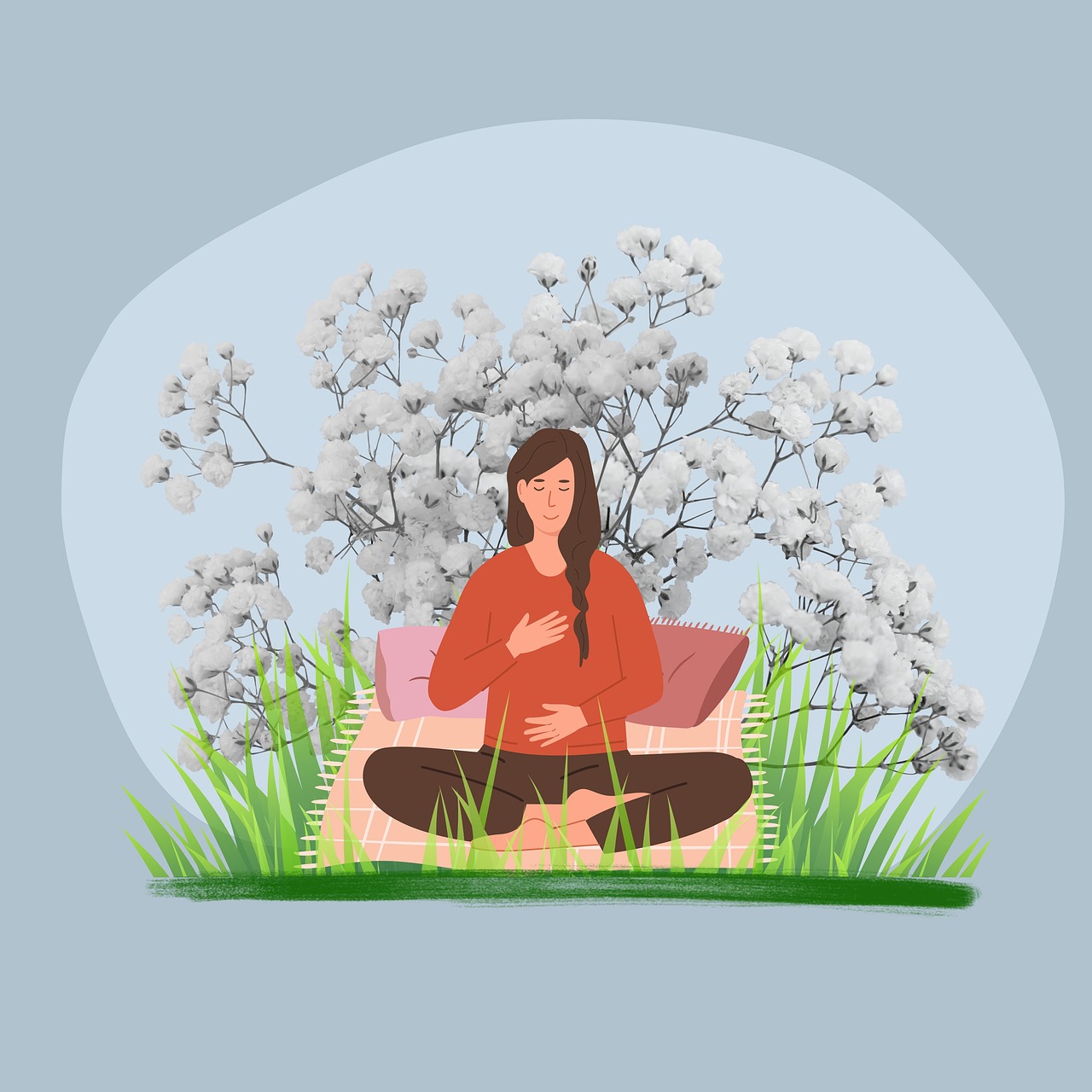
Breathing techniques are quintessential for enhancing energy levels and mental clarity. One such technique is diaphragmatic breathing, which refines oxygen uptake and optimizes energy expenditure. When you engage in diaphragmatic breathing, you utilize your diaphragm more efficiently compared to shallow chest breathing. This method not only maximizes the oxygen available to your body but also promotes relaxation, which can lead to increased stamina. To practice this technique, find a comfortable position, preferably seated or lying down. Place one hand on your chest and the other on your abdomen. Inhale deeply through your nose, allowing your abdomen to rise. Hold for a few moments before exhaling slowly through your mouth, feeling your abdomen fall. Repeat this process several times to help revitalize your energy reserves. The beauty of this method is that it can easily be performed anywhere, anytime. Incorporating just a few minutes of intentional, deep breathing into your daily routine can significantly improve your vitality. As you master this practice, you may find yourself more energized throughout the day.
Another effective breathing technique is the 4-7-8 method, which promotes relaxation and energy renewal. Developed by Dr. Andrew Weil, this technique can help reduce stress and promotes efficient breathing. To execute the 4-7-8 technique, begin by sitting or lying down in a comfortable position. First, exhale completely through your mouth, making a whoosh sound. Then, close your lips and inhale quietly through your nose to a mental count of four. Hold your breath for a count of seven, focusing on letting go of tension and welcoming energy into your body. Finally, exhale through your mouth, making the whoosh sound, for a count of eight. This cycle can be repeated four times. The 4-7-8 method works by calming the nervous system, allowing for improved focus and energy clarity. This practice can be especially beneficial in stressful situations or when feeling drained. By consciously controlling your breath, you can effectively manage your energy levels and foster a renewed sense of vitality that invigorates both body and mind.
Harnessing Breath for Increased Vitality
Another strategy to enhance your energy is alternate nostril breathing, also known as Nadi Shodhana. This ancient practice balances the body and mind, promoting harmonious energy flow. To begin, sit comfortably in a quiet space. Use your right thumb to close your right nostril and inhale deeply through your left nostril for a count of four. Close the left nostril with your ring finger, releasing your thumb from the right nostril as you exhale through it for a count of four. Next, inhale through the right nostril for another count of four, then switch again, closing the right nostril and exhaling from the left nostril for four counts. Repeat this pattern five to ten times, maintaining a calm and focused mind. Alternate nostril breathing not only helps with energizing the body but can also aid in reducing anxiety, improving mental clarity and focus, and ultimately boosting energy levels throughout the day. With consistent practice, you may find this technique invaluable in maintaining high energy levels.
Box breathing, also recognized as four-square breathing, is a powerful technique harnessed by performers and athletes to optimize their energy. This method focuses on four key equal parts: inhalation, holding, exhalation, and holding again. Start by sitting or lying in a relaxed position and exhale fully. Inhale through your nose for a count of four, allowing your abdomen to expand fully. Hold the breath for another four counts. Exhale through your mouth for a count of four, visualizing any stress leaving your body. Lastly, hold your breath again for four counts before repeating the cycle. Practicing this routine for five minutes or more can help remain calm, focused, and energized. The emphasis on even counting aids in grounding the mind and preventing distractions. Many find box breathing highly effective before critical tasks, whether public speaking, athletic performances, or stressful situations. It offers an ideal solution to maintain energy without exhaustion, allowing increased performance despite external pressures. By mastering box breathing, you can enhance your energy levels while cultivating a calm and clear mind.
The Power of Slow, Intentional Breathing
Slow, intentional breathing, sometimes referred to as “resonant breathing,” plays a vital role in maintaining optimal energy levels. Engaging in slow, deep breaths can help the body and mind to synchronize, fostering alertness and relaxation. To practice this, find a comfortable seated position, ensuring your spine is straight. Inhale through your nose for a count of five, then exhale slowly through your mouth for a count of five. This balanced rhythm promotes steady energy and deeper breaths, feeding oxygen to vital organs. Aim for about a ten-minute session, focusing on the rhythm of your breath and feeling the energy pulsate within your body. Even a few minutes of resonant breathing can significantly affect your mood, reducing anxiety and invigorating the spirit. As you cultivate your practice, you will likely find it easier to re-center yourself during stressful moments and preserve your energy. Moreover, integrating this technique in the morning can be an excellent way to start your day with clarity and vigor. Experiment with adjusting the counts to find your optimal pace, ensuring the breath remains calm and nurturing.
Breath techniques may also involve visualizations combined with breath control, amplifying their energy-boosting benefits. Integrating visualization can enhance the experience, making your breathing exercises more impactful. Begin by sitting in a comfortable position and closing your eyes. Inhale deeply through your nose, picturing pure energy entering your body. As you hold your breath, visualize this energy revitalizing your cells and organs, enhancing your vitality. When exhaling, imagine any fatigue or tension exiting your body in waves. Repeat this cycle several times, maintaining a focus on that imagined energy flow. Combining visualization with breath control will deepen your relaxation while simultaneously elevating your energy levels. This practice not only promotes enhanced physical energy but also nourishes emotional health. By envisioning positive energy coursing through your body, you instill a sense of motivation and enthusiasm in daily activities. Best of all, you can use this combined approach at any time—whether you’re preparing for a meeting or winding down from a long day. The transformative power of your breath, paired with visualization techniques, offers profound energy restoration.
Implementing Breathing Techniques into Daily Life
To integrate these breath control techniques effectively, establish a consistent daily routine. Set aside a few moments each day dedicated solely to breathing exercises, allowing them to become a normal part of your schedule. This could be incorporated into your morning regimen, during lunch breaks, or nighttime wind-down rituals before sleep. Consistent practice leads to improved efficiency, enabling your body to harness energy fluidly throughout the day. Furthermore, consider pairing these breathing techniques with physical exercise to amplify their effects further. When you practice deep breathing during workouts or yoga sessions, your body receives more oxygen, enhancing endurance and performance. You may also find mindfulness movements, such as tai chi or walking meditation, beneficial in fostering breath awareness. Regular assessment of energy levels after these practices can help gauge changes, encouraging you to delve deeper into breath techniques. As you combine breath control with daily activities, you’ll likely discover a newfound sense of vitality—a crucial component for achieving both personal and professional goals with full energy and drive.