
Understanding ADHD and Its Challenges
Attention Deficit Hyperactivity Disorder (ADHD) presents unique challenges for children, including difficulties with attention, impulsivity, and hyperactivity. As these children often face social and academic hurdles, it is essential to explore strategies that can help them manage their symptoms effectively. Engaging in physical activities through fitness can be an excellent way to help children channel their energies positively. Incorporating fun fitness activities can significantly improve focus while providing an outlet for excess energy. Various group sports offer opportunities for teamwork, teaching skills, and increasing social interactions. Such interactions can bolster a child’s self-esteem and confidence, promoting resilience against challenges of ADHD. Moreover, aerobic exercises like running, swimming, or biking can enhance brain functions and stimulate neurotransmitter production. This stimulation aids cognitive functions that are often impaired in children with ADHD. Nuturing a child’s enthusiasm for physical activities can thus form a foundational strategy in their overall management plan, leading to better outcomes in their daily endeavors and academic pursuits. Finding activities that resonate with a child’s preferences can foster ongoing participation and avoid emotional exhaustion. Establishing a routine involving these activities can also create a sense of stability in their lives.
Fun Fitness Activities for Engagement
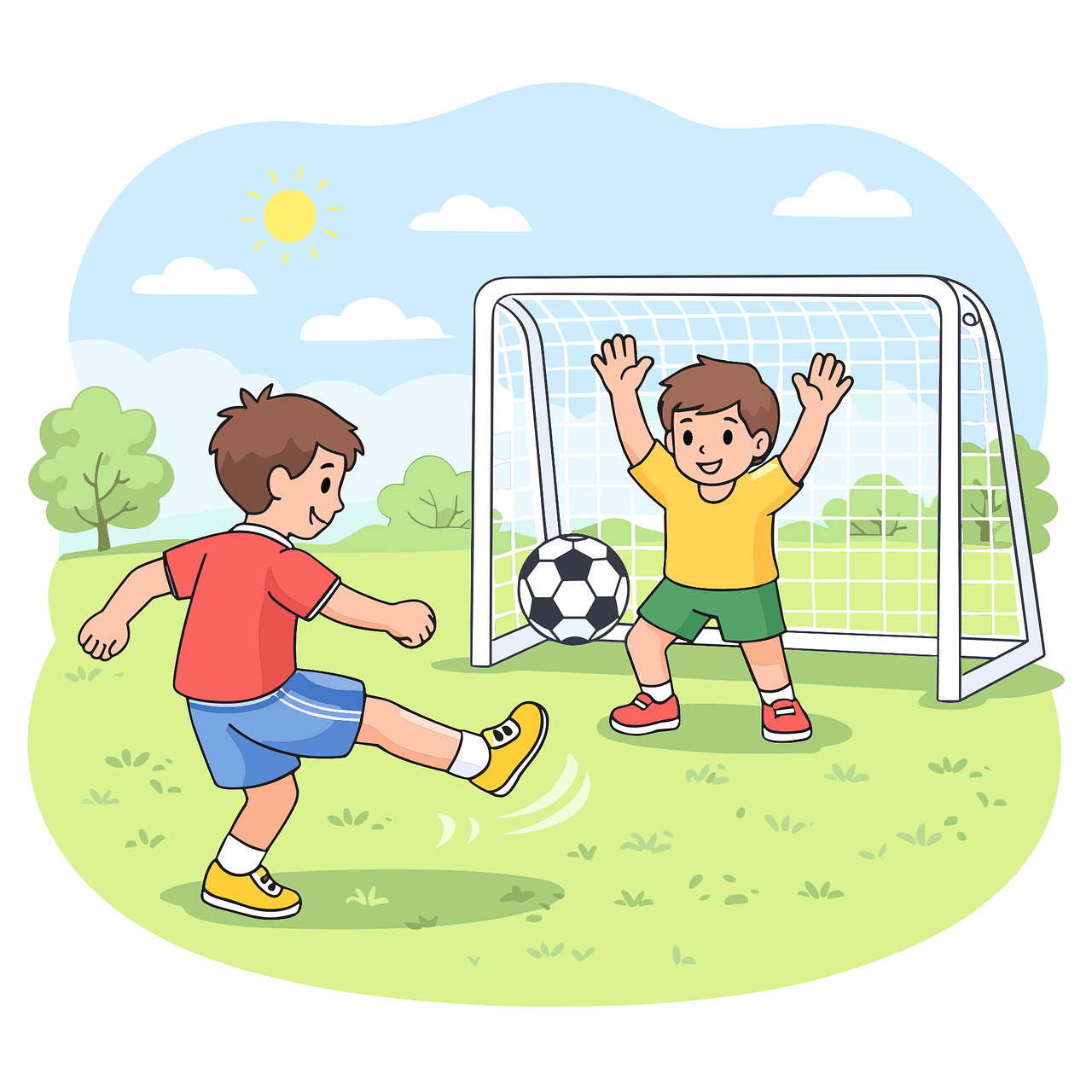
There are numerous fun fitness activities that can specifically engage children with ADHD. One of these is obstacle courses, which can be set up at home or in a park. They encourage children to navigate through various challenges, improving their motor skills as well. Using supplies like cones, hoops, and ropes can ignite creativity while also enhancing physical abilities. Another enjoyable activity is dance. Dance routines, whether through classes or online tutorials, not only provide exercise but also stimulate creativity and self-expression. Engaging with music helps children connect and can assist in improving coordination and rhythm. Sports like soccer or basketball can be fantastic for team-building, as participation teaches cooperation, discipline, and goal setting. Martial arts also provide focused discipline and self-control, essential traits in managing ADHD symptoms. Additionally, swimming is a low-impact activity that encompasses full body engagement, often providing a calming influence. Setting up family fitness challenges can also promote enthusiasm for exercise. All these activities help channel energy positively while building social skills, essential for developing friendships and emotional intelligence in children with ADHD. Finding balance through these exercises enhances overall mental well-being.
It’s vital to remember that each child is unique and might respond differently to various activities. Therefore, finding the right mix of fitness activities requires patience and observation. Working closely with the child to identify interests can lead to a more meaningful fitness experience. Continued participation is often linked to discovering activities the child genuinely enjoys. Trying out a variety of activities allows the child to build on their preferences, making it easier to design a routine they look forward to. It’s also helpful to involve siblings or friends in these activities, as this fosters a supportive environment. Exercising with peers can make activities more appealing and motivate a child to participate regularly. Parents and caregivers must remain flexible and encouraging, adjusting activities according to their child’s evolving interests. Rewarding consistent effort, rather than focusing solely on achievement, can also create a positive attitude towards fitness. Positive reinforcement can strengthen motivation and engagement, encouraging long-term involvement in fitness. Overall, keeping the mood joyful and light-hearted can significantly impact a child’s willingness to engage in fitness activities, paving the way for better management of ADHD symptoms.
Another beneficial approach is incorporating nature-based activities into the routine. Outdoor activities, such as hiking or nature walks, offer a refreshing change in environment while simultaneously boosting mental health. Being in nature helps reduce distractions found in urban settings and significantly lowers stress levels. Such outings can also provide learning opportunities about the environment, enhancing both physical exercise and educational engagement. Families could set specific challenges during these hikes, such as collecting specific types of leaves or spotting certain wildlife. These challenges create excitement and focus, making the experience more interactive and enjoyable. Additionally, nature provides a sensory-rich environment that captivates children’s attention, beneficial for managing ADHD. Other options like gardening can introduce physical activity while nurturing responsibility and patience. Ultimately, connecting fitness with outdoor experiences engages children physically while sparking their curiosity. Continued exposure to the outdoors fosters a lifelong appreciation for nature and fitness. Such initiatives strengthen familial bonds through shared activities, and they can lead children to develop their passion for outdoor leisure. Curricular links to fitness activities can also reinforce lessons learned in school, translating physical activity into an educational opportunity.
In addition to structured activities, unstructured play can also be immensely beneficial for children with ADHD. Allowing children to play freely encourages creativity and spontaneity, both crucial components of their emotional and cognitive growth. This type of playburns off energy while simultaneously allowing children to explore their environment. Incorporating play equipment such as swings, slides, and climbing frames can make playground visits more engaging and stimulating. Moreover, activities like tag or hide and seek can significantly enhance social skills and physical coordination. Unstructured play promotes mental flexibility, an essential skill for children with ADHD, facilitating adaptability in various situations. Parents can also consider scheduling small group playdates to create a social network, which can become a resource for emotional support. Encouraging friendships through these playful interactions significantly contributes to a child’s social well-being, fortifying their ability to interact positively. Leveraging community spaces for these playdates promotes inclusion and access to diverse recreational activities. Engaging with peers within a fun and safe environment can demonstrate interpersonal skills, fostering social responsibility. Ultimately, incorporating this free-form play can help solidify fitness’s role in creating a balanced lifestyle.
To support ADHD management through fitness, it is crucial to recognize the importance of incorporating variety into activities. Children can become disinterested when routines become monotonous; thus, introducing new activities can reinvigorate their enthusiasm. Sometimes this may mean personalizing an activity, such as customizing a dance routine to feature favorite songs or incorporating elements of storytelling into exercise sessions. It could also involve introducing seasonal sports, like skiing in winter or swimming in summer. Flexibility in the activity choice allows for exploration and discourages feelings of constraint. Parental involvement in these activities can also create a more supportive environment while setting an example. Finding community classes or groups that align with the child’s interests provides additional connections. For instance, joining a youth soccer team offers both fitness and invaluable social interaction opportunities. Utilizing technology like fitness bracelets can also gamify exercise, turning it into a fun challenge. Setting achievable goals gives children something to work towards, building confidence in their abilities. Such digital encouragement can further reinforce consistent participation. Establishing a diverse routine not only maintains engagement but also enhances overall mental and physical health.
Conclusion: Fitness as a Tool for Growth
In conclusion, incorporating fun fitness activities is an essential strategy for managing ADHD in children. By using engaging activities, children can develop skills that improve focus and reduce impulsivity. Moreover, these activities enhance social interaction and improve overall emotional well-being. Through techniques such as obstacle courses, dance, and nature activities, fitness becomes a multifaceted tool for development. This allows children to have enjoyable experiences while also promoting a healthier lifestyle. Family support remains vital, as involving family members can foster deeper connections while encouraging commitment to physical activity. Exploring various activities and keeping the experiences light-hearted generates enthusiasm for fitness. Moreover, when kids discover activities they truly enjoy, they typically build resilience while facing everyday challenges. As fitness routines evolve with what works for specific children, the notion of fitness becomes synonymous with fun rather than obligation. Ultimately, this approach to fitness yields gratifying results, paving the way for healthier lives and potential strategies for managing ADHD symptoms. Helping children uncover the joy in physical activities creates pathways toward holistic growth, ensuring that fitness becomes an innate part of their lives.