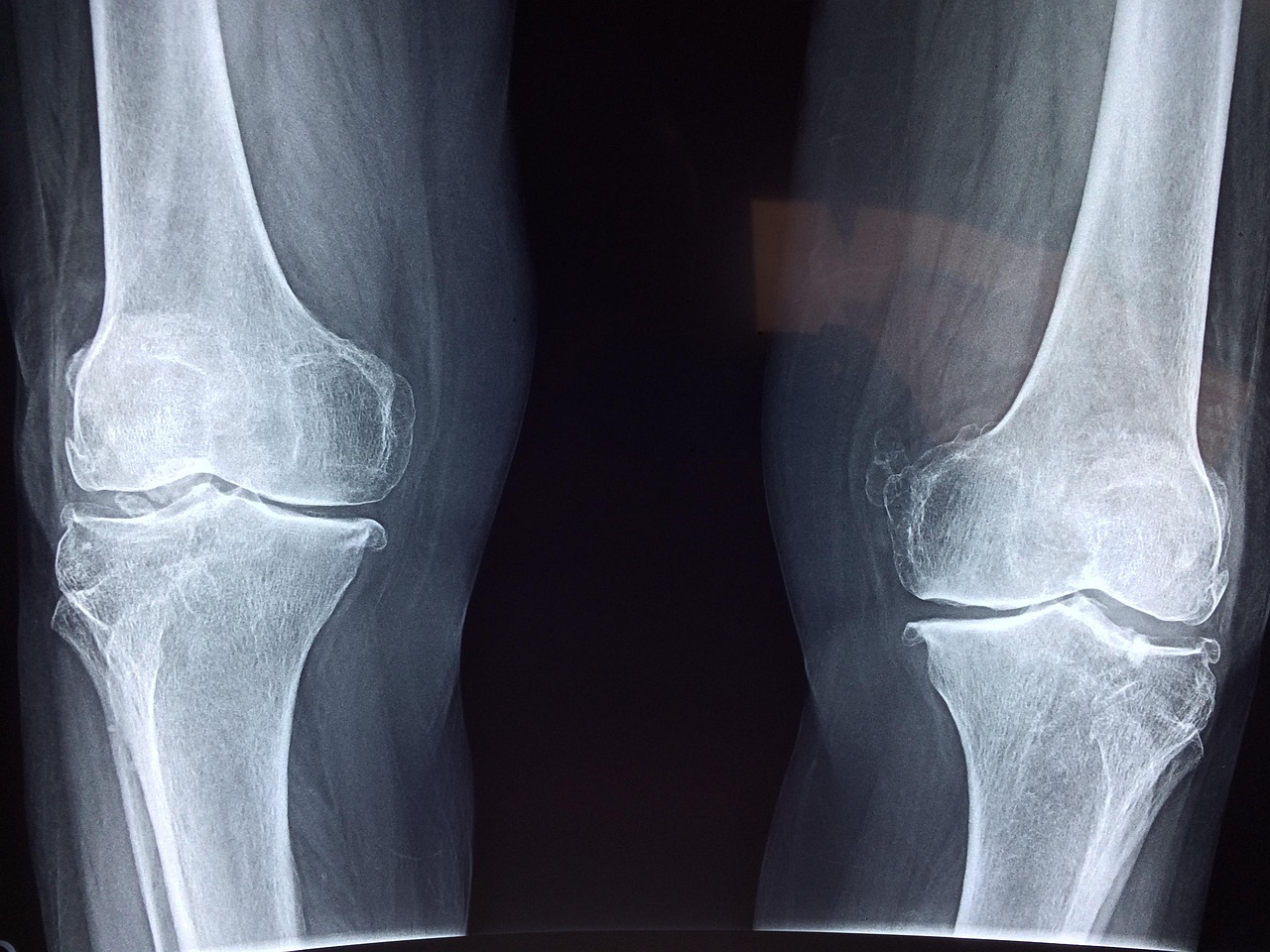

Monitoring Joint Pain: When to Adjust Your Exercise Routine
Joint health is critical for maintaining an active lifestyle, particularly as we age. Regular exercise offers numerous benefits, but individuals must be vigilant about joint discomfort. Being attentive to signs of strain ensures that one can continue to enjoy physical activity without enduring pain. Listening to your body and recognizing what feels comfortable versus what may signal a problem is vital. As one ages, joints can become more prone to inflammation and discomfort. It’s important to differentiate between normal soreness after a workout and pain that could indicate an underlying issue. Moreover, it’s crucial to remember the role of low-impact exercises in promoting joint health. Activities such as swimming, cycling, or yoga are excellent alternatives to high-impact sports that can exacerbate joint issues. Transitioning to gentler workouts helps to alleviate pressure while still promoting fitness. Furthermore, consulting with a physical therapist or a fitness expert can provide tailored advice based on individual conditions. They can offer guidance on proper form and suggest exercises specifically designed for supporting joint health and overall fitness levels. Therefore, habitually monitoring your joint health should remain a top priority.
Recognizing Signs of Joint Pain
Identifying the signs of joint pain can sometimes be challenging as symptoms vary significantly among individuals. Some may experience sharp pain, while others feel a persistent dull ache. Common indicators include swelling, stiffness, and decreased range of motion in affected joints. Paying attention to these signs during exercise is essential in identifying whether a workout regimen is appropriate. If pain persists long after a workout or occurs during certain movements, it may be crucial to modify or reassess your exercise routine. One useful approach is to keep a journal documenting any joint discomfort encountered during physical activity. In addition, evaluating activity schedules for overtraining signs can be beneficial. Furthermore, rest is a key factor in allowing joints to recover. Incorporating dedicated rest days may significantly alleviate symptoms. You could also explore incorporating restorative practices such as gentle stretching or low-intensity yoga sessions on rest days. Normally, if pain shows no signs of improvement after adjusting the routine, consulting a healthcare professional is advisable. Their insights can guide one toward appropriate next steps, ensuring a focus on health and well-being.
Incorporating proper warm-up routines prior to engaging in any physical activity is crucial for overall joint health. Pre-workout warm-ups increase blood flow to the muscles surrounding the joints, ultimately providing better support during exercise. A good warm-up can help priming joints for movement while minimizing injury risks. Effective warm-ups include light aerobic exercises and dynamic stretching. As a fitness enthusiast, it’s essential to gradually increase activity intensity, allowing the body to adapt. Furthermore, after completing a workout, a cool-down session is equally important. Cooling down helps the body safely transition back to its resting state and can help alleviate post-workout pain. This phase should also include static stretching to maintain flexibility and range of motion. Including a well-balanced routine of both strength and flexibility exercises in your fitness plan can enhance joint health over time. Strengthening surrounding muscles provides additional support to joints and can significantly reduce the likelihood of pain. Selecting the ideal combination of exercises tailored specifically for personal fitness needs can be an effective strategy for long-term health.
Restorative practices play a pivotal role in maintaining joint health and managing discomfort. Low-impact workouts such as Pilates, tai chi, and yoga have gained popularity among individuals seeking to minimize joint pain while remaining active. Such activities emphasize controlled movements that promote flexibility, strength, and balance, all vital for joint support. Incorporating restorative practices regularly fosters a wide range of benefits, including improved muscle strength, posture, and joint stability. Listening to the body is key, ensuring proper modifications are made when needed. For those experiencing extreme discomfort, it is essential to prioritize rest. Avoiding activities that exacerbate the pain can lead to better long-term outcomes. When it comes to being active with joint pain, finding the right balance between rest and activity is fundamental. Consulting with a healthcare professional can help individuals create a tailored exercise program that accommodates their specific limitations while nurturing strength and mobility. While low-impact workouts are great for preserving joint health, maintaining a holistic approach, incorporating proper nutrition, hydration, and sleep, is equally crucial. Such comprehensive care can significantly enhance one’s overall fitness journey.
Nutritional Support for Joint Health
The role of nutrition in joint health cannot be overstated. Consuming a balanced diet rich in anti-inflammatory foods can provide vital support in managing joint pain. Nutrients found in fruits, vegetables, lean proteins, whole grains, and healthy fats work collaboratively to support overall health. Omega-3 fatty acids, found in fatty fish like salmon, walnuts, and flaxseeds, have been shown to have anti-inflammatory properties. Incorporating these foods can reduce joint inflammation and improve overall health. Additionally, it’s essential to maintain proper hydration as well, contributing to joint lubrication and optimal function. Avoiding processed foods high in sugar and unhealthy fats can also help in managing inflammation. When considering weight and joint health, keeping a healthy weight is beneficial. Excess weight places additional stress on weight-bearing joints, increasing the likelihood of discomfort. Regularly monitoring weight through a balanced diet and consistent exercise can lead to a healthier body overall. Lastly, if needed, speaking to a registered dietitian for personalized nutritional advice can support wellness goals while managing joint pain effectively, ensuring long-term health benefits.
Incorporating joint-friendly exercises into your fitness regimen is fundamental for alleviating discomfort and promoting joint stability. Understanding which exercises protect joints while still offering strength and flexibility training can dramatically impact one’s overall health. Low-impact aerobics, swimming, and cycling are excellent options for cardiovascular fitness while minimizing strain on joints. Strength training with proper form can also contribute positively, but it’s crucial to focus on body mechanics. Resistance bands and light weights are beneficial for beginners or those with joint considerations. Flexibility exercises that include gentle stretches can greatly enhance overall mobility, particularly for aging populations. Moreover, be aware of incorrect techniques that may lead to injuries. Using wrong postures during workouts can lead to chronic pain and complications over time. Learning from certified professionals can provide valuable guidance on maintaining correct form. Additionally, when in doubt, adjusting speed and intensity during workouts can greatly reduce pressure on joints, ensuring comfort. Teaming up with a fitness buddy or attending classes designed for low-impact workouts can encourage commitment while providing motivation to sustain healthy habits long-term.
Conclusion: Prioritizing Joint Health
Overall, prioritizing joint health is crucial for maintaining an active lifestyle as individuals embrace aging. Continuous monitoring of any discomfort during workouts plays an essential role in ensuring that exercise remains beneficial. By understanding your body’s response to various activities, adapting when necessary will protect joints while promoting fitness. Integrating low-impact workouts and restorative practices into daily routines supports overall well-being. Maintaining a balanced diet and proper hydration complements an effective exercise regimen that promotes joint health. Importantly, seeking professional advice when experiencing persistent pain can provide tailored solutions to manage discomfort effectively. Consistent adjustments will help to build an effective fitness program tailored to individual needs. Recognizing the importance of joint health while engaging in physical activity is a crucial aspect of long-term wellness. Therefore, investing time and effort into adjusting fitness routines when necessary can ultimately lead to improved quality of life. Aging gracefully means paying attention to our bodies and adapting accordingly, ensuring health and vitality throughout the years.
Ultimately, commitment to understanding one’s body is the most important factor in maintaining joint health and reducing pain. By regularly assessing comfort levels during and after workouts, individuals can implement beneficial adjustments swiftly. Integrating a combination of low-impact and restorative exercises encourages a comprehensive fitness strategy focused on long-term success. Emphasizing nutrition and hydration further reinforces a holistic approach to health that pays dividends. Finding a community to share experiences can also lighten the burden of managing joint pain. Engaging with individuals facing similar challenges can offer encouragement, accountability, and the potential for sharing effective strategies for improvement. Remember, maintaining your fitness journey requires ongoing learning about one’s body and its responses. Ensure to take it slow when starting a new routine or introducing new movements. Consistently prioritize rest and recovery helps prevent setbacks that can hinder progress. Everyone’s journey is different, and being patient with yourself is essential. Embrace the changes that come with aging while making informed choices about fitness and overall well-being. Promoting an active lifestyle remains possible with an adaptive mindset and commitment to healthy living, ensuring every individual can thrive as they age.