
Optimizing Emotional Health Through Breath Management
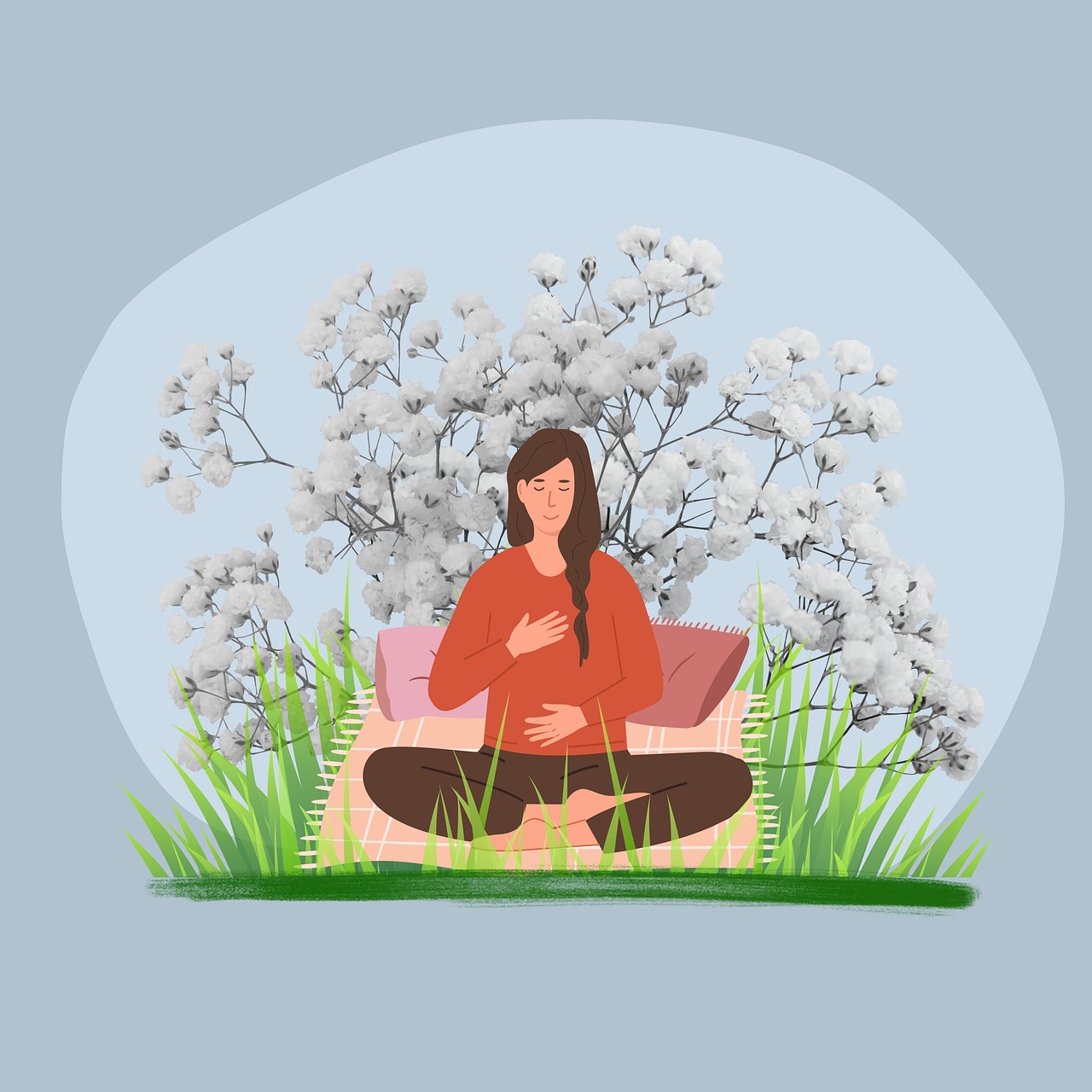
Breathing techniques play an essential role in emotional regulation. Intentional breathing can help us manage feelings associated with stress, anxiety, and sadness, leading to improved emotional health. When we focus on our breath, we create a connection between our body and mind, allowing for greater self-awareness. Controlled breathing exercises can serve various purposes, from calming a racing heart to stimulating energy when feeling lethargic. By practicing these techniques regularly, we can cultivate emotional resilience, enabling us to face challenges with a clearer mindset. The act of conscious breathing encourages mindfulness and presence, which can significantly affect our emotional state. When we breathe deeply, we activate the body’s relaxation response, reducing the levels of stress hormones circulating in our system. To start incorporating these practices into daily life, individuals can explore different methods, such as diaphragmatic breathing or box breathing. By learning and mastering these techniques, you can discover an effective way to cope with life’s ups and downs more effectively, thus optimizing emotional health through breath management. This journey will enhance emotional self-regulation, ultimately fostering a more balanced and harmonious life.
The Science Behind Breathing and Emotions
Scientific research highlights the significance of breathing patterns in emotional responses. The autonomic nervous system regulates our body’s stress and relaxation mechanisms, primarily affected by how we breathe. When anxious, for example, our breath tends to become shallow and rapid, which can amplify our stress. Conversely, slow, deep breathing can activate the parasympathetic nervous system, promoting feelings of calmness and emotional stability. This physiological response is evidence of the powerful connection between breath and emotional regulation. Engaging in structured breathing exercises can lead to significant improvements in managing emotions and stress levels. Furthermore, studies show that mindfulness-based practices incorporating breath awareness can enhance emotional intelligence, problem-solving skills, and overall psychological well-being. One particularly effective method is diaphragmatic breathing, which engages the diaphragm fully, allowing for more oxygen intake and promoting relaxation. By regularly practicing this technique, we can train our bodies to respond naturally to stressors with greater calmness. Consequently, understanding the science behind breathing opens the door to adopting breathing techniques as essential tools for emotional regulation and mental health enhancement.
Incorporating breathing techniques into daily routines can have profound effects on emotional well-being. Individuals can choose various times throughout the day to practice these exercises, such as upon waking, during a lunch break, or before bed. Regular practice can promote emotional resilience by integrating breathwork into our lives holistically. Some effective methods include 4-7-8 breathing, where you inhale for four counts, hold for seven, and exhale for eight counts. This technique is especially helpful for anxiety and stress management, as it engages the body in deep relaxation. Another valuable method is the alternate nostril breathing, which balances the right and left hemispheres of the brain, leading to improved clarity and calm. Practicing these techniques regularly not only benefits mental health but also enhances overall quality of life. By making breathing practices a consistent habit, one can experience remarkable positive changes in mood, emotional regulation, and stress response systems. It is essential to recognize that the benefits of these practices extend beyond immediate relief, fostering long-term emotional awareness and health, thereby helping individuals navigate challenges more effectively and maintain balance.
Breathing Exercises for Specific Emotions
Different breathing exercises can be tailored to target specific emotions or situations. For instance, individuals experiencing anxiety can benefit from the 4-7-8 technique mentioned earlier, as it calms the nervous system effectively. On the other hand, those who may feel fatigued or lethargic can utilize energizing techniques such as bellow breathing, where quick, forceful exhales stimulate vigor and alertness. Understanding which breathing techniques serve specific emotional needs empowers individuals to take control of their emotional responses. Furthermore, practices like Lion’s breath, which involves making vocalizations and exhaling forcefully, can release pent-up emotions and tensions, making it ideal for expressing frustration. Engaging in these custom techniques not only helps cultivate awareness of one’s emotional landscape but also encourages proactive emotional regulation. During challenging moments, these exercises can serve as a quick reset, providing tangible tools to navigate emotional obstacles effectively. It is a testament to the understanding of breath connection with our psychological states, reinforcing the importance of breath management as a foundational skill for emotional development.
Mindfulness meditation combined with breathing practices offers additional benefits for emotional regulation. While practicing mindfulness, breathing can serve as the anchor to focus one’s attention, enhancing awareness of emotional experiences without judgment. By observing our breath, we can gain insights into how emotions manifest within our bodies, creating opportunities for deeper introspection. Research supports that individuals who engage in mindfulness and breath-focused meditation report improved emotional resilience and diminished symptoms of anxiety and depression. Furthermore, simply focusing on breathing can cultivate a sense of inner peace, promoting an overall positive mental state. Weekly sessions or even daily short practices provide accessible entry points for anyone looking to enhance emotional health through breath management. Without needing extensive time commitments, these practices can fit conveniently into daily schedules. Engaging in mindfulness and breathwork ultimately creates a nurturing space where individuals can feel safe to explore their emotions. This creates a ripple effect, positively impacting interpersonal relationships and promoting a deeper sense of connection with oneself and others, emphasizing the holistic nature of breathing practices in emotional regulation.
Creating a Personalized Breath Practice
Developing a personalized breath practice can enhance emotional regulation. It’s important to assess individual preferences and needs to create a routine that feels secure and beneficial. Begin by exploring different techniques and observing which exercises resonate most deeply. Individuals might find joy in expressing emotions through practices such as guided visualizations along with breathwork or combining movement with breathing, such as yoga or tai chi. These practices can add a motivational dimension to breath management, making it easier to integrate into daily life. Once specific techniques are identified, creating a timeline that incorporates sessions of varying lengths may contribute to sustained growth, whether through short five-minute intervals or longer guided practices. It’s valuable to maintain flexibility with your practice, allowing changes based on emotional needs for any given moment. Regularly reflecting on progress and experiences can deepen the commitment, serving as a motivational reminder of the journey towards emotional health through breath. Staying open to adjustments and experimenting with different methods ensures that the breath practice continues to evolve to serve each individual’s unique emotional landscape effectively.
Incorporating social support and community resources can significantly enhance breath management practices. Joining groups focused on breathwork or mindfulness can foster a sense of belonging and provide shared accountability. Many online platforms offer courses, workshops, and community forums where individuals can connect with others on similar journeys toward emotional health. Engaging with others can also introduce new techniques and insights that support individual growth. Attending local classes or seeking guidance from trained professionals allows individuals to gain diverse perspectives and learn valuable strategies. It can also facilitate camaraderie with like-minded individuals, enhancing motivation and commitment to regular practice. Utilizing available resources, such as books, podcasts, or apps, can further contribute to understanding various breath techniques. As individuals share their stories and successes, the collective journey can reinforce a commitment to personal breathwork practices, creating a positive feedback loop. In conclusion, embracing breathing techniques not only empowers individual emotional regulation but fosters community connection, enabling us to navigate emotions effectively while optimizing our emotional health and overall well-being.
In sum, understanding the impact of breathing on emotional regulation is invaluable in cultivating emotional health. Integrating breath management techniques into daily routines can yield profound benefits for mindfulness and emotional resilience. The journey to optimize emotional health through breath involves self-discovery, personalized practice, and community support. Employing various techniques suitable for specific emotions enables individuals to harness the power of their breath to navigate life’s challenges more effectively. Mindfulness, empowerment, community, and adaptability are pivotal in ensuring that breath management becomes a sustainable practice within one’s emotional toolkit. By retaining the flexibility within this practice, individuals remain equipped to create emotional awareness and foster self-regulation. As emotional growth evolves through breath management, the rewards extend far beyond individual experiences, benefiting interactions and relationships. A commitment to regularly engage with breath-centered practices is the pathway to enhancing one’s emotional landscape, fostering a deeper sense of fulfillment and balance. The art of breath management not only enriches individual lives but contributes to a collective awareness and emotional resilience within communities, ultimately promoting a healthier society. Together, we optimize emotional health through effective breath management.