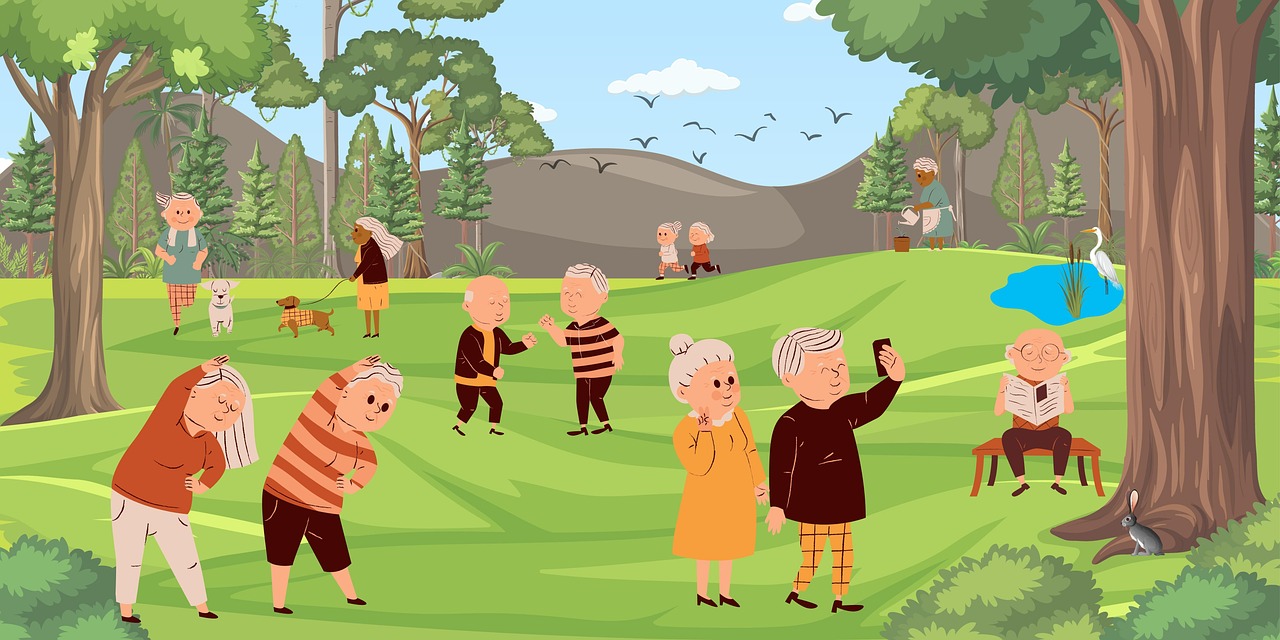

Incorporating Functional Fitness into Your Retirement Lifestyle
As you transition into retirement, focusing on your physical fitness becomes paramount for maintaining an independent lifestyle. Functional fitness emphasizes engaging in exercises that mimic daily activities, allowing seniors to retain mobility and strength. These exercises help enhance the ability to perform everyday tasks, reducing reliance on others. Activities such as lifting groceries, squatting to pick up items, and climbing stairs can become integral to a vibrant lifestyle. A well-rounded functional fitness routine fosters not only physical capability but also confidence and self-esteem. Moreover, it positively impacts mental health by reducing feelings of isolation and allowing social interaction through group workouts. Setting achievable goals can motivate you to stay on track. Consider joining community fitness classes tailored to seniors, which often incorporate stretching, balance, and resistance training. Consult healthcare professionals or personal trainers specializing in senior fitness to design a safe, personalized program. Remember, safety is vital; listen to your body and modify workouts as necessary. Taking the initiative in your fitness journey during retirement ensures a healthier, more fulfilling life while allowing you to enjoy many activities for years to come.
Involving friends in your fitness journey can amplify your motivation and enjoyment. Consider inviting friends or family members to join you in your functional fitness activities. This aspect not only adds an element of fun but also accountability, making it easier to stick to your routines. Community centers often provide various group classes that focus on functional fitness for older adults, allowing you to meet others who share similar fitness goals. Together, you can engage in enjoyable exercises like yoga or tai chi, promoting balance and flexibility while fostering social connections. Moreover, participation in these classes can cultivate new friendships and enrich your social circle, contributing to improved emotional well-being. Look for local parks or recreational facilities that offer outdoor classes, adding variety to your routine and an element of fresh air. If you’re feeling adventurous, explore hiking or walking trails in your area as an exciting way to stay active. Regular participation in outdoor activities not only aids physical health but also rejuvenates your spirit, offering a refreshing change of scenery, and encouraging you to maintain an active lifestyle as you age.
Nutrition plays a crucial role in supporting your functional fitness journey. To maintain energy levels and muscle health, a balanced diet rich in protein, whole grains, fruits, and vegetables is essential. Consider consulting with a nutritionist to tailor a meal plan that aligns with your fitness goals. Older adults often have specific dietary needs to prevent muscle loss and maintain bone health, so attention to diet is pivotal. Incorporating nutrient-dense foods can significantly enhance recovery after workouts. For instance, include foods with healthy fats like avocados and nuts, which contribute to overall well-being. Staying hydrated is equally vital; make water your primary beverage and limit sugary drinks. Experiment with meals and snacks that are convenient yet nutritious, such as smoothies or protein bars. Additionally, meal prepping can simplify your nutrition, ensuring you have healthy options readily available. Join local cooking classes focused on healthy eating for seniors, which can provide both skill development and social engagement. Adopting positive dietary habits will only further enhance your functional fitness routine and contribute to longevity and vitality in your retirement years.
The Role of Technology in Fitness
In today’s digital age, technology can significantly enhance your fitness experience. Many apps and wearable devices monitor physical activity, heart rate, and sleep patterns, offering insights into your health journey. Utilizing these technologies can motivate you to stay active and engaged in your fitness goals. For instance, fitness trackers provide reminders to move and encourage adherence to daily activity levels, making it easier to integrate movements into your routine. Online platforms also offer virtual fitness classes tailored specifically for seniors, providing flexibility to your schedule. These classes can include functional fitness exercises within the comfort of your home. Engage with online communities for seniors, where you can share experiences and recipes, enhancing motivation through peer support. Many of these communities offer forums where you can seek advice on fitness challenges and nutrition, with members sharing their success stories. Embracing technology can transform your approach to fitness, allowing for personalization and adaptability. Keep abreast of new trends and tools that might assist in ensuring you stay on the right track towards achieving your retirement fitness aspirations, ultimately enriching your quality of life.
As you integrate functional fitness into your retirement, consider exploring various activities that foster enjoyment and well-being. Engaging in hobbies that require physical activity, such as gardening, dancing, or walking the dog, can complement your workout regime effectively. These activities not only contribute to physical fitness but also stimulate cognitive functions, keeping the mind sharp. Participating in team sports, like pickleball or bowling, can enhance social interactions while providing a fun way to maintain fitness. Explore local community offerings or clubs that encourage participation in these sociable sports. Many seniors find joy in attending dance classes, which not only improve balance and coordination but also uplift spirits through music and companionship. Continuing to challenge yourself with new activities can keep your exercise routine fresh and engaging. Remember, variety is essential in preventing boredom and stagnation; embracing multiple forms of exercise ensures comprehensive fitness. As you travel this journey, prioritize fun and personal fulfillment in your choices, discovering activities that resonate with your interests and lifestyle, creating a balanced and enjoyable approach to your retirement fitness journey.
Listening to Your Body
As you pursue functional fitness, being attuned to your body’s signals is crucial. Recognize your limits and avoid overexertion, which can lead to injuries and setbacks in your fitness journey. Pay attention to any discomfort or pain; adjust your workouts accordingly to ensure safety. Engage in warm-ups prior to starting any activity, gradually preparing your muscles and joints. Cool down and stretch after your workouts to aid recovery and prevent stiffness. Practicing mindfulness during your exercise can enhance both mental focus and physical outcome. Explore practices like yoga or tai chi, which emphasize breath control and mindfulness, helping you create a holistic fitness approach that nurtures both body and mind. Scheduling regular check-ins with your healthcare provider can guide your fitness progress and identify any areas requiring attention. Listening to your body fosters a well-rounded exercise regimen and promotes longevity in your fitness endeavors. This approach enhances your physical capacity while steering clear of any detrimental effects. Therefore, nurturing a deep connection with your physical sensations is vital for maintaining longevity and enjoyment in your retirement fitness journey.
In conclusion, incorporating functional fitness into your retirement lifestyle is a transformative journey that enhances overall well-being. From the physical benefits of improved mobility and strength to the mental advantages of social engagement and confidence, functional fitness impacts every aspect of life. Through setting realistic goals, embracing technology, and surrounding yourself with supportive communities, you can maintain a vibrant and active lifestyle. Nutrition further complements your fitness efforts, ensuring you have the energy and resources needed to thrive. Engage in various enjoyable activities that keep you active, mix things up to find what you love, and most importantly, listen to your body. It is vital to embrace the process, finding joy in each step and celebrating your achievements, no matter how small. Remember, the aim is not just improvement in fitness but fostering a fulfilling retirement filled with purpose and happiness. By prioritizing your health and well-being through functional fitness, you set the stage for a remarkable and vibrant retirement filled with adventures and cherished moments.