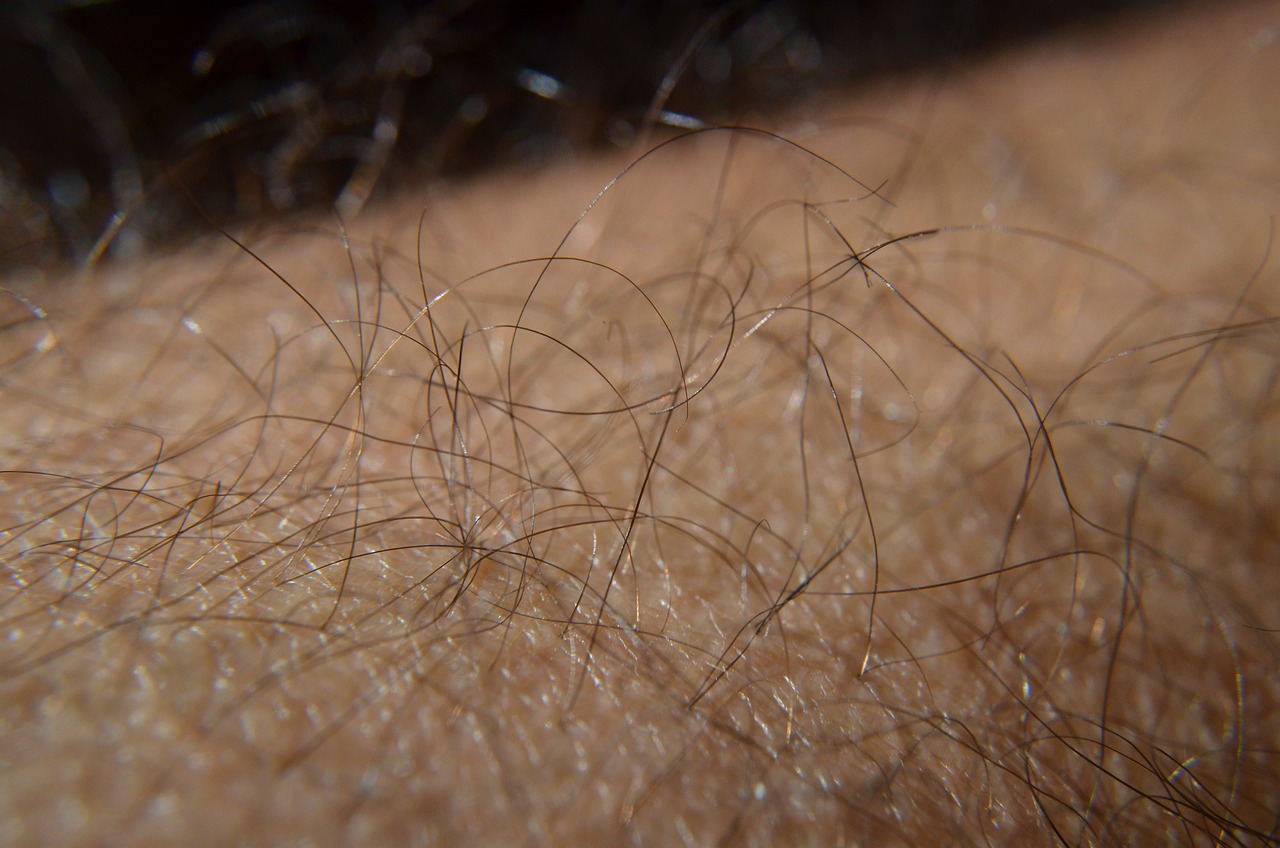

Vitamin D and Its Hormonal Link to Hair Follicle Health
Vitamin D is vital for various bodily functions, including the maintenance of healthy hair follicles. Although it is known primarily for its role in bone health, recent studies suggest that vitamin D may play an essential role in hair growth and health. The skin’s keratinocytes are responsive to vitamin D and are involved in the hair follicle cycle. A sufficient level of vitamin D helps stimulate the hair follicles, enhancing the growth phase, also known as anagen. Moreover, deficiencies in vitamin D have been linked to hair loss conditions, suggesting that this vitamin is a crucial nutrient for anyone experiencing thinning hair or bald patches. The hormonal impact of vitamin D may regulate inflammation and enhance the immune response, thereby supporting healthy hair development. Thus, maintaining optimal levels of vitamin D through sun exposure, diet, or supplementation can be beneficial for hair follicles. Foods rich in vitamin D, such as fatty fish, mushrooms, and fortified dairy products, should be included in a balanced diet to ensure sufficient intake for optimal hair follicle health and functionality.
The synthesis of vitamin D occurs when the skin is exposed to sunlight, specifically UVB radiation. This process emphasizes the importance of safe sun exposure for maintaining adequate vitamin D levels. However, many individuals may not receive sufficient sunlight due to lifestyle choices, geographic location, or skin protection measures. Consequently, dietary sources and supplementation can fill the gap when sunlight exposure is inadequate. For those facing hair loss or thinning hair, evaluating vitamin D levels may be crucial. Research suggests that vitamin D deficiency might be one of several contributing factors to various types of hair loss disorders such as alopecia areata. Therefore, performing blood tests to determine vitamin D levels can be a proactive step. If low levels are detected, both sunlight exposure and dietary adjustments should be advised. Additionally, vitamin D3 supplementation may offer a practical solution for increasing levels. By addressing deficiencies in vitamin D, individuals may enhance overall health, potentially leading to significant improvements in hair growth and follicle vitality, which are paramount for aesthetic and psychological well-being.
Role of Hormones in Hair Growth
Hormones significantly influence hair growth by regulating the hair growth cycle. The presence of sufficient vitamin D can help maintain hormonal balance that directly impacts hair follicles. When hormone levels fluctuate, this can lead to changes in hair growth patterns; for example, increased levels of androgens may contribute to hair thinning. Understanding the connection between these hormones and vitamin D is crucial for anyone seeking to optimize their hair health. Vitamin D receptors have been identified in hair follicles, indicating that vitamin D itself may influence hair growth on a hormonal level. A proper balance of hormones, facilitated by adequate vitamin D, ensures that hair follicles function optimally. Moreover, hormonal conditions such as polycystic ovary syndrome (PCOS) can affect female hair growth, leading to issues such as excessive hair thinning or unwanted facial hair growth, creating a cyclical problem where vitamin D deficiency further exacerbates hormonal imbalance. Therefore, individuals experiencing hormonal fluctuations should consider assessing their vitamin D status as part of their overall hormonal health and hair growth strategy.
In addition to vitamin D, other nutrients such as zinc, biotin, and iron also support hair follicle health. When considering hair health, a multi-faceted approach is essential, integrating various vitamins and minerals, alongside proper hormonal balance. A deficiency in critical nutrients can also hinder hair growth and lead to hair loss. Ensuring an adequate intake of these essential nutrients can help fortify hair follicles against damage. Foods like nuts, seeds, legumes, and dark leafy greens can provide the necessary vitamins and minerals. Furthermore, stress management plays an important role in hormonal balance, thereby indirectly affecting hair health. Chronic stress can lead to an increase in cortisol levels, which negatively impacts hair growth. Implementing relaxation techniques, such as yoga and meditation, can help mitigate stress-induced hair loss. Consequently, a holistic approach that includes monitoring vitamin D levels, enriching the diet with a range of hair-supportive nutrients, and managing stress will likely improve hair follicle health and encourage healthy hair growth in individuals concerned about their hair.
Recommendations for Optimizing Vitamin D Levels
The best way to optimize vitamin D levels is through a combination of dietary intake, responsible sun exposure, and possible supplementation. Individuals should aim for about 600 to 800 IU of vitamin D daily, but the exact requirement may vary based on distinct factors such as age, body weight, and individual health conditions. Incorporating vitamin D-rich foods into one’s diet, like salmon, fortified cereals, and egg yolks, can enhance overall intake. Fortifying the body naturally through safe sun exposure for around 15-30 minutes a few times per week can further boost levels, especially in summer months. However, for those living in less sunny climates, or those who wear sunscreen, obtaining sufficient vitamin D from diet alone may be challenging, thus supplementation becomes a prudent consideration. Additionally, individuals should consult healthcare providers for personalized recommendations aimed at their specific health needs. Regular blood tests to monitor vitamin D status can also provide insights into an individual’s levels, critiquing whether dietary or lifestyle changes are effectively supporting hair follicle health.
Understanding the symptoms of vitamin D deficiency is crucial for timely intervention. Common signs may include fatigue, bone pain, and muscle weakness besides thinning hair. If individuals suspect a deficiency, they should consider discussing these concerns with a healthcare provider who can facilitate necessary lab tests. Addressing the deficiency is pivotal not just for hair growth, but for overall health. Additionally, understanding personal dietary habits and potential lifestyle changes can lead to significant improvements in hair health. For those experiencing significant hair loss, combining dietary changes with vitamin D supplementation may enhance results. Furthermore, considering the psychological impact of hair loss reinforces the importance of this nutrient. Confidence can be deeply affected by hair health, and addressing vitamin D deficiencies may lead to improvements not just physically but mentally as well. Anecdotal evidence supports the effectiveness of improved vitamin D levels in promoting hair growth, leaving individuals hopeful for positive changes. Therefore, embracing a strategy that aims to balance vitamin D may also align with overall wellness objectives, creating a comprehensive approach to health and happiness.
Conclusion: The Importance of Vitamin D
In conclusion, vitamin D plays an instrumental role in supporting hormonal health and is crucial for hair follicle vitality. By understanding its impact and ensuring sufficient levels, individuals can promote hair growth and combat various hair loss issues. Therefore, maintaining optimal vitamin D levels is essential for supporting not just hair health but overall well-being. The relationship between hormonal balance, dietary habits, and health reflects the need for a comprehensive approach. Individuals should prioritize regular check-ups, engaging in healthy dietary patterns, ensuring adequate sunlight exposure, and promoting hormonal balance to optimize their health levels. Armed with this knowledge, people can take charge of their hair health by making informed decisions. The significance of vitamin D cannot be overstated in the journey towards fuller, healthier hair. Its effects reach far beyond hair, influencing numerous body functions and system health. Therefore, incorporating vitamin D into a wellness plan should be considered an integral part of any strategy aimed at enhancing overall health, including effective hair follicle management and growth. Through education and application, achieving optimal vitamin D levels becomes attainable and impactful.
For those contemplating adding vitamin D-rich foods or supplements to their regimen, consulting with healthcare providers is advisable. Personalizing a plan that addresses specific hair and hormonal needs provides the best approach for long-term success. Adequate knowledge about healthy lifestyle choices reinforces the journey towards achieving optimal health. Taking actionable steps today can yield significant results tomorrow in hair growth. Awareness about hormonal links to hair health continues to gain traction, urging individuals to recognize the importance of factors such as vitamin D. Prioritizing such nutrients can make a notable difference, ensuring healthy hair development and overall vitality. With proactive measures, individuals can help safeguard their hair follicles from potential damage and create supportive environments for hair health and growth. As research continues to evolve, staying informed allows individuals to adapt their approaches to maximizing hair wellness. Ultimately, the combination of proper nutrition, responsible sunlight exposure, stress management, and possible supplementation can promote lasting change in one’s hair growth journey. Embracing the significance of vitamin D fosters a healthier lifestyle and empowers individuals towards better hormonal balance associated with healthy and vibrant hair.