
Progressive Flexibility Routines for Group Exercise Classes
When planning a group fitness class focused on flexibility and mobility, it is essential to begin with a solid foundation. Progressive flexibility routines aim to enhance participants’ range of motion, prevent injuries, and improve overall performance. The key is to introduce various stretching techniques that gradually increase in intensity and complexity. Start with gentle dynamic stretches to warm up the body, focusing on major muscle groups. As the class progresses, incorporate static stretches, ensuring participants hold each position to allow their muscles to relax and elongate. It’s important to guide participants through breathing techniques while they stretch, providing them with tools to better understand their body’s responses. This can help them connect mentally and physically during the class. Additionally, offer modifications and alternatives for different fitness levels, catering to beginners and advanced practitioners alike. Providing a well-structured routine helps participants feel a sense of achievement as they advance their flexibility over time. Engaging in these routines not only fosters a positive class atmosphere but also encourages consistency, leading to lasting benefits. Remember, emphasizing the journey rather than immediate results can motivate everyone involved.
Dynamic Stretching Techniques
Dynamic stretching is a key component of a progressive flexibility routine in group exercise classes. Unlike static stretches, dynamic stretches involve movements that take your muscles through their full range of motion. Some popular techniques include leg swings, arm circles, and torso twists. These dynamic movements help increase blood flow and prepare muscles for more intense activities. Start with simple exercises, gradually introducing more complex movements as participants become comfortable. For instance, begin with forward leg swings to loosen the hamstrings and hip flexors. Next, incorporate lateral leg swings to open up the hips further. Maintain an upbeat atmosphere to keep participants engaged, making it feel more like a workout than a chore. Encourage everyone to focus on their movements and be mindful of how their bodies respond. Remind them that consistent practice leads to improved flexibility. Additionally, incorporating a fun rhythm or music can motivate participants to join in and feel more energized. Conclude each dynamic stretching segment with a brief discussion on the importance of flexibility, helping to embed the knowledge within their fitness journey.
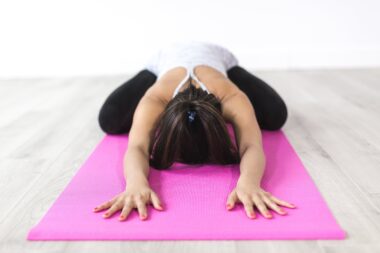
After the dynamic warm-up session, transitioning into static stretching is crucial for improving overall flexibility. Static stretches involve holding a stretch for a specific duration, typically around 15 to 30 seconds, allowing the muscles to relax and elongate. Start with seated forward bends, targeting the hamstrings and lower back. Participants can enhance their stretch by reaching toward their toes gradually, ensuring they do not push themselves too hard, as this may lead to injuries. Including quadriceps stretches is essential; guide participants as they gently pull one foot behind them while maintaining balance. Also, focus on the hip flexor stretches by placing one foot forward and the other knee on the ground. As they hold these stretches, encourage deep, controlled breathing to relax the body. Reinforce the significance of listening to their bodies and ceasing if they feel any discomfort. Over time, explain how consistent participation in these static stretches significantly contributes to improvement in their flexibility and mobility. Remind participants that like any fitness journey, progress takes time, patience, and commitment to ensure sustained results.
Incorporating Props into Flexibility Routines
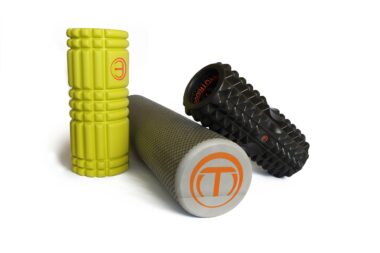
Utilizing props during flexibility routines can enhance the effectiveness of your group exercise class significantly. Equipment such as yoga straps, foam rollers, and blocks can provide support and aid participants in deeper stretches. For example, yoga straps are perfect tools for helping participants maintain correct alignment when stretching their hamstrings or shoulders. Demonstrate how to use the strap effectively, allowing them to grasp it while extending their legs. This method not only increases the stretch but also reduces strain on the lower back. Additionally, foam rollers can help relieve muscle tension and improve flexibility through myofascial release. Teach participants the proper techniques for using a foam roller, emphasizing areas like the thighs, calves, and upper back. For those who find it challenging to reach the floor, yoga blocks can offer support in various poses, enabling deeper stretches without compromising stability. Including props can make everyone more comfortable and provide confidence while they engage in stretching routines. Throughout the session, remind participants to focus on how their bodies feel while using props to enhance their practice safely. This approach fosters an inclusive and supportive environment.
Progressive flexibility routines can substantially benefit group exercise classes. Consistency is vital; thus, designing a schedule that highlights specific focus areas each week can create structures. For example, you could dedicate Mondays to lower body flexibility, focusing on hamstrings, calves, and hip flexors, while Wednesdays could concentrate on upper body stretches like the shoulders, chest, and back. Each session should run for approximately an hour, allowing time for dynamic and static stretching. Occasionally, incorporating mobility exercises, such as hip circles or thoracic rotations, can enrich the class experience and aid in overall movement and coordination. Encourage participants to take notes on their progress to remain motivated and track improvements. Introduce challenges such as flexibility tests at regular intervals, fostering a sense of competition and accomplishment. These activities can motivate participants to push beyond their limits. Building a supportive community within the class setting also promotes accountability and encouragement. By consistently reminding participants of their progress and celebrating small milestones, you contribute to their long-term commitment to their flexibility journey.
Creating a Welcoming Environment
Establishing a welcoming and encouraging environment is key to the success of any group fitness class, particularly when it comes to flexibility. First, as the instructor, it is essential to create a positive and inclusive atmosphere from the moment participants enter the studio. Greet each individual warmly, using their names whenever possible to foster a sense of belonging. Use positive affirmations during the class to reinforce that every body is unique and that progress looks different for everyone. Setting realistic expectations and encouraging individuals to honor their limits creates a supportive environment where participants can thrive. Making adjustments to the routine based on participants’ feedback provides a more tailored experience. It’s crucial to remain approachable and open to questions regarding techniques and modifications throughout the session. Furthermore, incorporating group discussions at the end of each class can encourage participants to share their experiences and inspire one another. This approach cultivates a sense of camaraderie and empowerment. A positive environment that nurtures individual growth and shared experiences ultimately contributes to long-lasting engagement in your group exercise class.
Collaboration with other fitness professionals can elevate the overall experience and enrich the flexibility routines offered in group exercise classes. Partnering with physiotherapists or yoga instructors can provide added expertise in flexibility training, ensuring safe and effective stretching techniques. You could consider inviting them to co-host a workshop focusing specifically on flexibility and mobility, creating further value for your participants. This collaborative approach introduces diverse perspectives and innovative methods that can inspire new routines and exercises. Additionally, obtaining feedback from co-hosts aids in refining and enhancing your current offerings based on their expertise. Utilize social media or community boards to advertise these events, potentially attracting more individuals interested in flexibility training. Furthermore, combining different perspectives fosters a dynamic class atmosphere that keeps participants engaged and excited. This could lead to the formation of new friendships among participants who share similar goals. In turn, building a strong fitness community around flexibility and mobility can generate lasting relationships and support systems. Such collaboration reflects not only professionalism but also a commitment to enhancing each participant’s journey toward improved flexibility.