
Biomechanics of Muscle Contraction and Joint Movement
Muscle contraction and joint movement are critical processes that enable human locomotion and daily activities. Understanding the biomechanics of these systems reveals how muscles and joints work together to produce movement. Muscles function through contraction, which generates force, while joints facilitate movement by serving as pivot points. These interactions are essential for activities such as walking, running, or reaching. The complexity of muscle and joint coordination involves a variety of anatomical structures. Key structures include tendons, which connect muscles to bones, and ligaments, which stabilize joints. Strength training and stretching can enhance flexibility and mobility, significantly improving overall performance. Moreover, improper biomechanics can lead to discomfort and injuries. A strong foundation of knowledge in muscle contraction and joint mechanics helps trainers, therapists, and athletes implement effective strategies to prevent injuries and improve performance. In addition, scientific advancements continue to shed light on how biomechanics impacts athletic performance and rehabilitation practices. Emphasizing the importance of proper form and technique is vital in maximizing both effectiveness and safety during physical activity. Therefore, understanding muscle and joint interaction is crucial in various fields spanning sports medicine to physical therapy.
Anatomical Foundations of Muscle Action
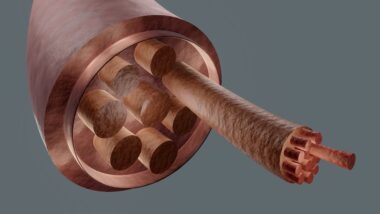
The anatomy of muscles plays an essential role in understanding muscle contraction during movement. Muscles are composed of fibers that contract in response to signals from the nervous system. Each muscle has a specific origin, insertion, and action that dictate its function. These characteristics determine how muscles generate force across joints. Skeletal muscles, which are attached to bones by tendons, can be categorized into different types, including slow-twitch and fast-twitch fibers. The distribution of these fibers influences an individual’s strength and endurance capabilities. Additionally, muscle groups work synergistically, coordinating with one another to produce efficient movement patterns. The interaction between agonist and antagonist muscles is vital in joint stability and control. The agonist is the primary mover while the antagonist provides opposition. This balance ensures smooth coordination and prevents injuries during dynamic movements. Furthermore, understanding how muscles function during various activities can assist trainers and coaches in optimizing training regimens. Identifying muscle imbalances or weaknesses allows for tailored rehabilitation programs that enhance performance while reducing injury risk. Thus, a comprehensive understanding of muscle anatomy is fundamental for athletes and health professionals alike.
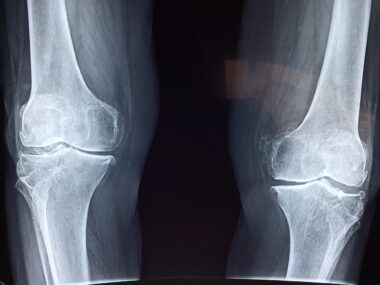
Joint mechanics are fundamental to facilitating movement, as they determine the range of motion and stability of the skeletal system. Joints are points of articulation between bones and can be classified based on their structure, ranging from immovable to freely movable joints. The three primary types include fibrous, cartilaginous, and synovial joints, each serving distinctive purposes. Synovial joints, the most common in the body, allow for a wide range of motion. They are characterized by a synovial membrane that secretes lubricating synovial fluid, reducing friction during movement. The design of synovial joints includes various subtypes, such as hinge, ball-and-socket, and pivot joints. These structures enable diverse movements like flexion, extension, rotation, and abduction. Additionally, the integrity of ligaments and the surrounding musculature significantly influences joint function. Strengthening exercises and flexibility training help maintain healthy joint function and prevent conditions such as arthritis. Moreover, biomechanical assessments can identify any abnormalities in joint function, aiding in developing targeted rehabilitation strategies. Understanding joint mechanics is integral for optimizing performance in athletics while safeguarding against injuries, making it a vital aspect of physical training.
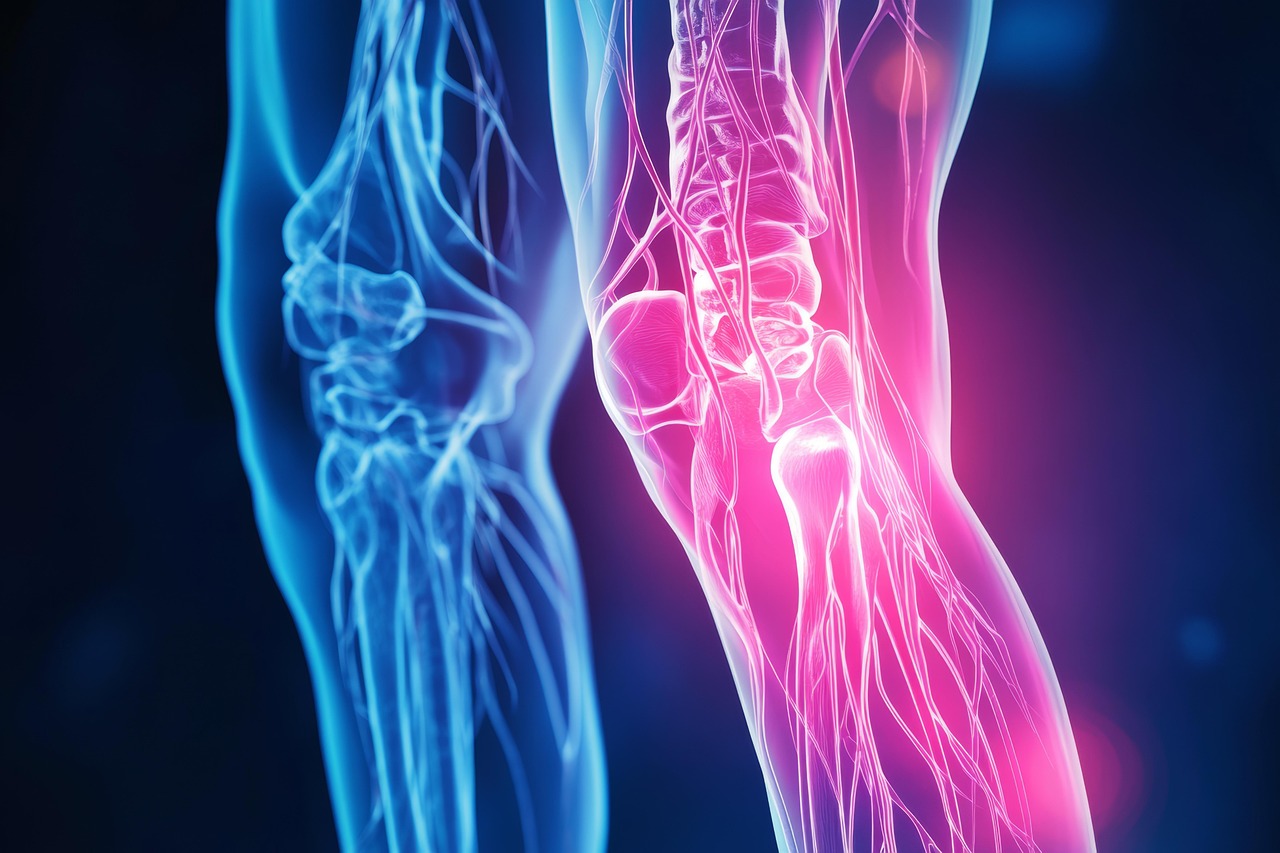
The neuromuscular system orchestrates the interplay between muscles and joints, significantly impacting movement efficiency. This system comprises the brain, spinal cord, and peripheral nerves that transmit signals to initiate muscle contractions. When a movement is executed, motor neurons activate muscle fibers, leading to the contractile process. This intricate network ensures precise coordination and timing. Proprioceptors, sensory receptors located within muscles and joints, provide feedback about body position and movement. This feedback loop allows for real-time adjustments during dynamic activities, enhancing coordination and balance. The central nervous system processes these signals, facilitating muscle recruitment tailored to specific tasks. Effective training programs focus on enhancing neuromuscular efficiency, which ultimately improves strength and agility. Functional training that mimics everyday activities can reinforce these pathways, promoting better movement patterns. Additionally, recovery practices such as stretching and foam rolling support healthy muscle and joint function by alleviating tension and promoting flexibility. Thus, a comprehensive approach that encompasses both muscular and neural adaptations is essential for athletic development. Understanding the nuancing of this relationship leads to enhanced performance and reduced injury risk, underscoring the role of neuromuscular training.
Injury Prevention and Rehabilitation
Understanding biomechanics supports effective injury prevention strategies, particularly in sports and exercise settings. Identifying the common mechanisms of injury often begins with analyzing movement patterns, which can expose vulnerabilities in an athlete’s technique. Poor biomechanics can lead to overuse injuries, muscle strains, or joint sprains. Through biomechanical assessments, fitness professionals can tailor training programs aimed at correcting these inefficiencies. Implementing strength and flexibility exercises contributes significantly to injury prevention. Comprehensive warm-ups and cooldowns prepare muscles and joints for activity while promoting recovery post-exercise. Rehabilitation necessitates an in-depth understanding of biomechanics for developing safe and effective recovery strategies. Physiotherapists utilize knowledge of joint and muscle mechanics to facilitate recovery from injuries. They design rehabilitation protocols based on functional movement principles, which prioritize restoring movement patterns. This often involves strengthening weakened muscles, increasing flexibility, and re-establishing neuromuscular control. Utilizing modalities such as therapeutic massage and ultrasound assists in efficient recovery. Equipping athletes with knowledge about biomechanics also fosters self-awareness, empowering them to take proactive steps in injury prevention. Thus, knowledge in biomechanics is vital for anyone engaged in physical activity, from elite athletes to casual fitness enthusiasts.
Flexibility plays a critical role in maintaining healthy joint function and enhancing overall athletic performance, representing a key component in the biomechanics of movement. Defined as the ability of muscles and tendons to stretch, flexibility directly influences the range of motion at joints. Greater flexibility can lead to improved performance in sports, reducing the likelihood of injury. There are various factors determining flexibility, including age, gender, and training type. Regular stretching routines can significantly enhance flexibility by elongating muscles and increasing elastic properties of connective tissues. Dynamic stretching, in particular, prepares muscles for activity by promoting blood flow and raising muscle temperature. Static stretching, on the other hand, is effective post-exercise for lengthening muscles and facilitating recovery. Recognizing individual variations in flexibility is crucial for creating personalized training programs. Hence, athletes should integrate flexibility training into their fitness regimens to achieve optimal results. By prioritizing flexibility, athletes not only enhance performance but also set the foundation for functional longevity. Thus, cultivating flexibility alongside strength and coordination ultimately contributes to a well-rounded athletic profile, maximizing both capabilities and durability.
The Future of Biomechanics in Sports
As technology advances, the field of biomechanics continues to evolve, promising exciting developments that could revolutionize sports performance and injury rehabilitation. Wearable technology, such as motion sensors and smart clothing, provides valuable data on an athlete’s biomechanics in real time. This information can help coaches and trainers analyze movement efficiency, comparing it against established performance benchmarks. Insights gained can guide tailored training interventions that maximize strength and endurance while minimizing injury risk. Furthermore, biomechanics research is exploring the genetic factors contributing to an athlete’s ability to perform specific movements. Combining biomechanics with data analytics could lead to personalized training regimens that cater to an individual athlete’s strengths and weaknesses. Virtual reality (VR) is also emerging as a tool for biomechanics training, allowing athletes to practice techniques in a controlled environment. As athletes incorporate these technological advancements, they could enhance their understanding of movement biomechanics. Ultimately, the integration of innovative technologies into sports biomechanics has the potential to reshape how athletes train, rehabilitate, and perform at elite levels, pushing the boundaries of human athletic capabilities.
In conclusion, the biomechanics of muscle contraction and joint movement is a fundamental aspect of human physiology and athletic performance. By understanding the interactions between muscles and joints, athletes and coaches can optimize training for enhanced performance while minimizing injury risks. The knowledge gained through the study of biomechanics not only applies to elite athletes but also to recreational exercisers and those undergoing rehabilitation. Physical therapists utilize the principles of biomechanics to assist clients in recovery, focusing on restoring movement patterns effectively. In addition, the impact of flexibility and mobility on joint health cannot be overlooked, requiring regular attention and practice. Ultimately, as sports science progresses, the incorporation of biomechanics into training and rehabilitation becomes increasingly vital. Educating athletes about proper techniques fosters a culture of safe practice and performance enhancement. The advancements in technology and research will continue shaping how we understand the dynamic interplay between muscle contraction and joint motion. Thus, investing in biomechanical education and practices is essential for achieving physical excellence and longevity in sports, highlighting the importance of a well-rounded approach to training.