
Is Juice Cleansing Effective for Detoxification?
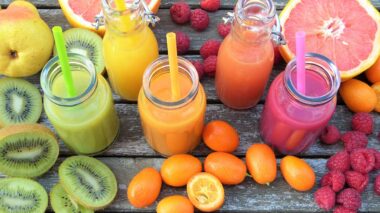
Juice cleansing has emerged as a popular method for detoxification, causing many to question its effectiveness. Advocates argue that juice cleanses help eliminate toxins, boost energy levels, and improve digestion. Depending on the ingredients, juices can be rich in vitamins, minerals, and antioxidants, which are essential for the body. These nutrients are believed to support organ function and enhance the detoxification mechanisms. However, it is crucial to consider the potential downsides as well. While juice cleanses might offer short-term benefits, they can lead to nutrient deficiencies if followed for extended periods. Moreover, one must be cautious about the overall caloric intake during such cleanses. A significant reduction in calories can also result in fatigue, irritability, and dizziness. Furthermore, preparing fresh juices daily can be time-consuming and costly, which may deter some individuals. Overall, while juicing can provide a burst of nutrition, a balanced perspective regarding its role in detoxification is essential. It would be beneficial to consult with a healthcare provider before starting any intense detox plan.
Despite the popularity of juice cleansing, scientific studies examining its effectiveness are limited. One common concern is whether juice diets can genuinely ‘cleanse’ the body. The human body has inherent detoxification systems, primarily the liver and kidneys, that are capable of processing and eliminating toxins. Some research indicates that a balanced diet, rich in whole foods, may be more effective in supporting these detoxification functions. Incorporating a variety of fruits, vegetables, whole grains, and proteins can provide the necessary nutrients for optimal health. Furthermore, instead of relying solely on juices, it can be beneficial to consume smoothies that retain the whole fruit or vegetable, preserving fiber content. Fiber plays a vital role in the detox process by enhancing digestion and promoting regularity. In contrast, juice cleansing often removes fiber, which can lead to less satiety and possibly overeating later. Hydration is also key; drinking water alongside juices or smoothies contributes to maintaining kidney function. Ultimately, achieving detoxification might be less about going on a juice cleanse and more about adopting a sustainable and nutritious eating pattern.
Alternative Methods for Detoxification
When considering detox strategies, it is essential to explore alternatives to juice cleansing. A holistic approach can yield more sustainable and lasting results. One effective method is incorporating more whole foods into the diet. Foods such as leafy greens, legumes, and nuts provide essential nutrients and promote gut health. Regular physical activity is another crucial aspect of detoxification. Exercise helps to eliminate toxins through perspiration while improving circulation and overall well-being. Additionally, practices such as yoga or meditation can help manage stress, which can play a significant role in maintaining a healthy detox process. Mindful eating is also important. Paying attention to hunger cues and enjoying meals without distractions encourages a more holistic approach to nutrition. Limiting processed foods, excessive sugar, and staying hydrated can support the body’s detox pathways effectively. Herbal teas, such as dandelion or green tea, which are rich in antioxidants, may assist in liver function as well. It’s vital to establish personalized routines that fit individual needs and preferences rather than relying solely on fad diets or short-term cleanses.
Consultation with professionals like nutritionists or dietitians is highly recommended before beginning any detox regimen. They can provide tailored advice based on individual health needs and goals. Such consultations can help avoid common pitfalls associated with extreme detox diets, such as electrolyte imbalances or gastrointestinal issues. Many people misunderstand detoxification, viewing it as a quick fix for poor lifestyle choices. This perception can lead to yo-yo dieting or disordered eating patterns, which are counterproductive to long-term health. Setting realistic expectations is vital. A detox should not be perceived as a one-time activity but an ongoing process of nurturing the body with wholesome foods. Continuous education about nutrition can empower individuals to make healthier choices regularly. Furthermore, sharing experiences within community support groups may also enhance motivation for maintaining a healthy lifestyle. Remember, achieving optimal health is a journey that requires time, patience, and commitment. Maintaining a balanced diet combined with healthy lifestyle habits can lead to significant improvements in overall well-being.
Personalizing Your Detox Journey
Each individual’s body responds differently to diets, including detox plans. What works for one person may not work for another. Therefore, personalizing a detox journey is crucial. Identifying food sensitivities or allergies is a fundamental step in tailoring the diet. Keeping a food diary can help track reactions to various foods and discover patterns in digestion or energy levels. Implementing foods known for their detoxifying properties, such as beets, garlic, and green leafy vegetables, could enhance the process. Furthermore, hydration remains essential; adequate water intake supports kidneys and helps eliminate waste. Rather than adhering strictly to a juice cleanse, experimenting with whole foods can also be beneficial. Many find that incorporating detox-friendly meals into daily routines leads to improved results without the drawbacks of juice cleanses. It is also wise to listen to the body’s signals and adjust accordingly – if feeling fatigued or lightheaded, it may be a sign to pivot towards more solid foods. Consistent evaluation of physical and emotional responses can lead to a more successful and enjoyable detox experience.
Moreover, the detox mindset should encourage positivity rather than restriction. Focusing on what to include in the diet, rather than what to eliminate, can create a more empowering approach. Embracing diverse and colorful fruits and vegetables can foster excitement about eating. Cooking techniques such as steaming or grilling can enhance flavor while retaining nutrients, making meals both enjoyable and nutritious. Engaging in community food programs, local farmers’ markets, or cooking classes can also inspire creativity and motivate adherence to a healthy eating pattern. Additionally, establishing a supportive network can enhance accountability during the detox journey. Sharing recipes and experiences with friends or family can enrich the experience and foster a sense of community. Celebrating small successes can have a significant impact on motivation and mental well-being. Acknowledging progress, regardless of scale, encourages continued commitment to health goals. Keeping the focus on long-term health rather than temporary results allows for a more sustainable approach to detoxification and overall wellness.
Conclusion: The Nuances of Detoxification
In conclusion, juice cleansing may provide some benefits but is not the ultimate solution for detoxification. A more balanced approach, emphasizing whole foods, regular physical activity, and hydration, can yield better, longer-lasting results. Understanding that detoxification is a continuous process rather than a one-time event is crucial for maintaining optimal health. Additionally, it is essential to be aware of the potential downsides associated with restrictive diets and to prioritize a holistic view of nutrition. Overall, personalizing detox strategies according to individual needs and preferences can greatly enhance the experience and outcomes. Seeking professional guidance can mitigate risks and enhance benefits. Experimenting with different foods and methods helps individuals to discover what works best for their unique bodies. Incorporating mindful eating rituals, supportive communities, and ongoing education reinforces the journey towards better health. Ultimately, successful detoxification lies in integrating enjoyable and nutritious practices into daily life, paving the way for holistic well-being. Embracing balanced, sustainable choices leads to lasting, positive changes in the body and mind.
An emphasis on enjoyment and variety rather than restrictions can significantly improve one’s relationship with food. This mindset fosters a sense of empowerment that can translate into lifelong healthy habits. Listening to one’s body signals and recognizing when to adjust food intake can direct individuals toward more intuitive eating practices that nourish both body and spirit. The journey toward detoxification, therefore, should not be approached with an all-or-nothing attitude but embraced as a progressive endeavor involving fostering health and wellness. When adopting a positive and open mindset about food and nutrition, personal journeys can become much more fulfilling and impactful. Rather than seeing detoxification as merely cleansing, it can be portrayed as a comprehensive opportunity to learn and grow in nutritional understanding and personal health awareness.