
Improving Reaction Time Through Martial Arts Drills
Martial arts techniques are incredibly beneficial for enhancing reaction time, an essential aspect of self-defense and overall performance. One effective way to improve reaction time is through specific drills that focus on speed and responsiveness. Incorporating drills into your training routine fosters a seamless connection between your mind and body. Techniques such as partner drills, agility training, and reflex exercises can help practitioners become quicker and more efficient. By honing your reaction abilities, you gain a significant advantage over opponents. These drills often include defensive maneuvers, like blocking and dodging, which require not only physical activity but mental agility as well. The aim is to develop muscle memory, allowing practitioners to respond instinctively during sparring or self-defense situations. Regular practice can significantly shorten your reaction time, making you a more formidable martial artist. Additionally, various interactive games can be used to further enhance reflexes. Building skills through these fun exercises encourages ongoing improvement and engagement. Ultimately, the key to developing faster reactions lies in consistent effort and focus on drill repetition.
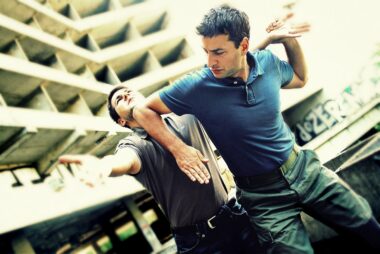
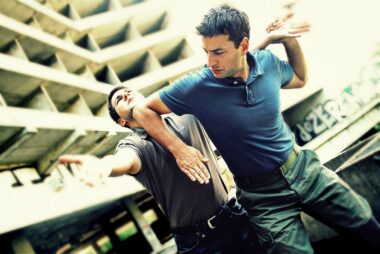
Incorporating a variety of drills that emphasize both speed and precision can produce remarkable results for martial artists. One popular drill involves using a reaction ball, a small, bouncy ball that unpredictably changes direction. By training with a reaction ball, you can improve your ability to respond quickly to situations. Focused practice with the ball enhances hand-eye coordination, allowing martial artists to become proficient in executing techniques in real-time scenarios. Another effective drill involves practicing shadowboxing under a timed setting, which cultivates the ability to quickly visualize and execute movements. Creating scenarios where you encounter unexpected attacks or challenges prepares you for real-life situations. Combining these methods with non-linear movements and rapid direction changes further develops athleticism. Additionally, working with a partner can enhance your ability to read other fighters’ movements. Partner drills allow you to anticipate and counter attacks, improving quick-thinking skills and decision-making capabilities. Practicing alongside a partner also introduces an element of unpredictability, simulating real combat conditions. Over time, these exercises cultivate enhanced reflexes, providing martial artists with a tactical edge during competitions or self-defense encounters.
Engaging the Mind for Enhanced Reaction
Improving reaction time through martial arts is not solely a physical endeavor; engaging the mind plays a crucial role. Visualization techniques can enhance your ability to react more swiftly and effectively. By mentally rehearsing techniques and scenarios, martial artists prepare their minds to respond better under pressure. This approach complements physical training, as a sharp mind can dictate faster responses during real situations. Moreover, meditation and mindfulness practices can also help in honing focus and concentration, key factors that impact reaction time. When practitioners learn to control their breath and calm their thoughts, they create a mental clarity that allows for quicker decision-making. Incorporating these practices into your martial arts regimen will lead to a more balanced approach to training. Drills that specifically require assessing different attack patterns or timing can serve to sharpen your mental acuity. These skills are vital in understanding opponent’s movements and anticipating their next actions. Continuous mental training leads to a more adaptable fighter, capable of changing tactics rapidly. In addition, focusing on training not just physically but mentally provides a comprehensive learning experience.
Another important drill involves working with focus mitts or hand pads alongside a partner. This form of training allows martial artists to practice striking techniques while focusing on speed and accuracy simultaneously. The trainer can randomly call out combinations, requiring the practitioner to react quickly. Engaging in such drills can increase reflexes while building a foundation for effective striking strategies. By emphasizing both response speed and precision, this method accelerates improvement significantly. Practicing under pressure simulates the unpredictability of real-life encounters, enhancing the fighter’s ability to remain composed while under attack. As you gain more experience, consider increasing the intensity of these drills by shortening the rest periods and increasing the speed of combinations. This approach encourages the body to develop endurance while maintaining reaction quality. Adapting drills creates a dynamic training environment that fosters quicker reflexes over time. Moreover, assessing performance through video analysis helps in identifying areas needing improvement. With a structured approach combining various drills and mental training, martial artists can attain impressive reaction times and become well-rounded fighters. The consistency of practice will lead to noticeable advancements in training.
Nutritional Support for Optimal Performance
While practicing martial art drills is crucial for enhancing reaction time, nutritional choices also play a significant role in supporting these efforts. A balanced diet rich in proteins, complex carbohydrates, and healthy fats can fuel the body for rigorous training sessions. Proper nutrition ensures that our bodies recover efficiently from the strenuous drills and maintain high energy levels. Foods that are full of antioxidants can help combat inflammation caused by heavy training, enabling faster recovery. Additionally, hydration cannot be overlooked; drinking enough water is vital to maintaining optimal performance during practice. Consuming pre-workout snacks like bananas or oatmeal provides the necessary energy for intense training, allowing individuals to engage fully in drills. Post-training meals should focus on protein-rich foods to support muscle recovery. Moreover, incorporating options like whole grains and green leafy vegetables enhances overall body function, including cognitive abilities. Keeping a food journal can contribute to better nutritional decisions by tracking what works best for you. Nutrition is indeed an essential foundation that supports drills aimed at increasing reaction time. Formulating a nutritious eating plan is a valuable way to complement the physical training process.
In addition to drills and nutrition, rest and recovery are often underestimated factors in improving reaction time. Prioritizing adequate sleep allows the body to heal and repair itself, leading to enhanced physical and mental performance. Insufficient rest can hinder reflexes and cognitive function, ultimately affecting your martial art training. Developing a sleep schedule that promotes rest will positively impact your practice. Furthermore, incorporating rest days into your training routine is essential. Allowing muscles time to recover prevents injury and maintains optimum performance levels. Active recovery techniques, such as light stretching or yoga, can also promote blood circulation, making it easier to bounce back. Engaging in a balanced fitness regime that includes strength training, flexibility work, and conditioning can prepare you for the demands of martial arts. Understanding your body’s limits while pushing them gradually leads to sustained improvement. Listening to your body’s needs will assist in achieving long-term physical and mental health. Take care of your body to ensure that your training remains effective and productive. The integration of proper recovery practices can speed up reflex development and enhance martial arts proficiency.
Conclusion: Commitment to Continuous Improvement
In conclusion, enhancing reaction time through martial arts drills requires a multifaceted approach. Individuals should focus not only on drills aimed at improving speed but also on mental preparation, nutritional choices, and rest principles. Engaging in consistent practice through partner drills, reaction exercises, and visualization techniques can foster remarkable improvements. Emphasizing the importance of nutrition and hydration supports the entire training process, enabling better performance and recovery. Furthermore, prioritizing rest and recovery practices cannot be overlooked, as they ensure that the body maintains optimal energy levels and reflex capabilities. Establishing a well-rounded training regimen encompassing these various aspects promotes overall growth in martial arts proficiency. Commitment to continuous improvement sets martial artists apart from their peers. A mindset geared towards ongoing development not only fosters a deeper connection with the art but also cultivates resilience and determination. The journey towards better reaction time is ongoing. By committing to these techniques, martial artists can significantly enhance their performance, ensuring they are better equipped for both competition and self-defense situations. Ultimately, dedication and the right mindset forge success in martial arts.
This final segment summarizes the crucial aspects of improving reaction time through martial arts drills. Every practitioner can benefit from incorporating various reflex-enhancing techniques into their training repertoire. Finding personalized strategies tailored to individual strengths and weaknesses can significantly amplify training effectiveness. By considering aspects such as mental engagement and nutritional support, martial artists can create a holistic approach. Attention to rest and recovery practices adds further benefits, helping the body to rejuvenate and perform better during training. In essence, it’s essential for martial artists to remain committed to their growth and remain adaptable to new methods and routines. Exploring numerous drills, staying flexible in training approaches, and maintaining an open mind leads to optimal success. As fitness enthusiasts and martial artists embark on this journey, they harness the power of consistency, discipline, and continuous self-improvement. This dedication translates into impressive reaction times and increased overall performance. The art of mastering martial arts is multifaceted, often requiring a deeper understanding of the personal journey. As you commit to this path, results will inevitably follow, supporting your growth as a martial artist.