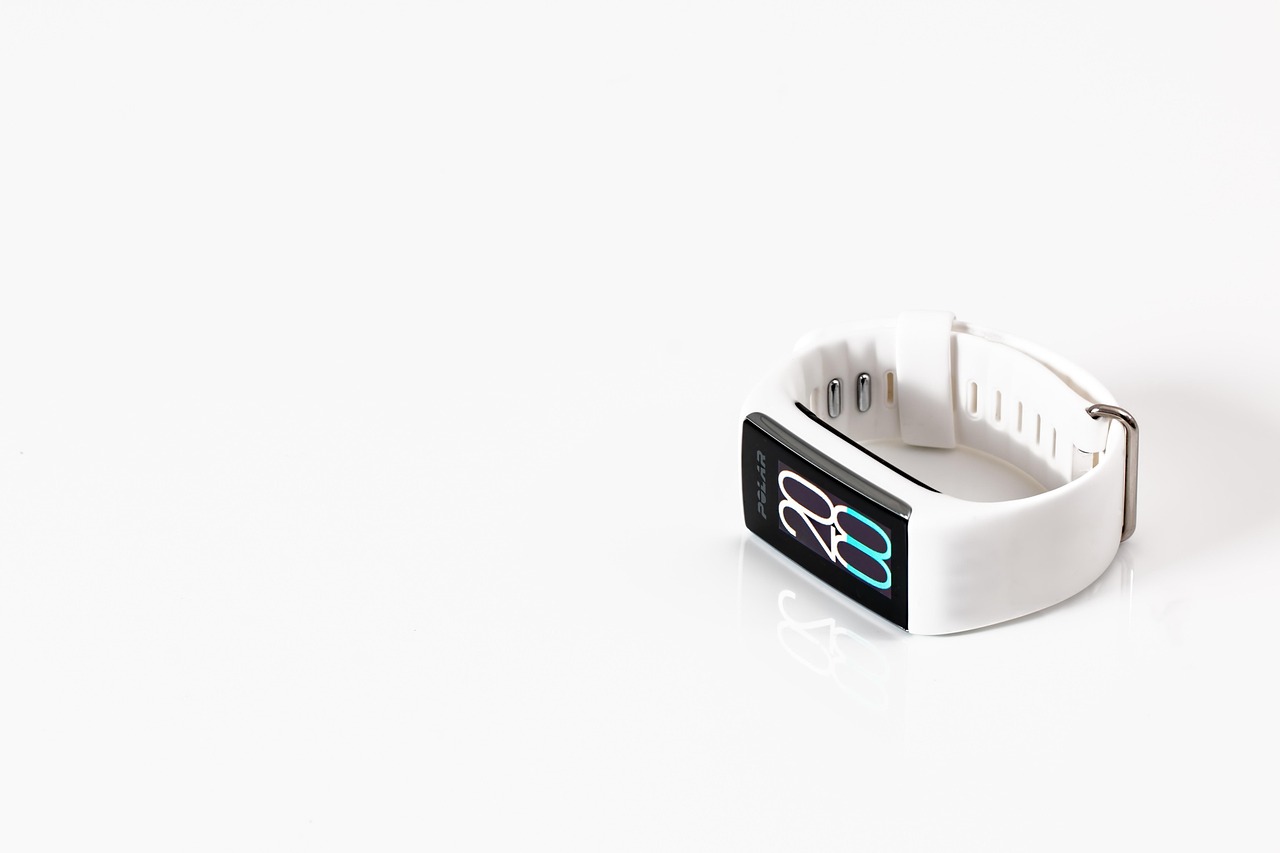

Wearable Tech Integration with Home Fitness Machines
In the modern fitness industry, technology has becoming deeply embedded in workout regimens, specifically focusing on home gym equipment. Integrating wearable technology with fitness machines can potentially revolutionize personalized workouts by providing real-time feedback. Users can monitor their heart rates, calories burned, and distance traveled with greater accuracy. Such technological advancements allow fitness enthusiasts to track their progress more conveniently and efficiently from the comfort of their homes. Many fitness gadgets can sync with these wearables, offering an extensive range of data analytics. While using integrated machines, individuals can motivate themselves through immediate information shared by wearable devices. This integration seamlessly creates a holistic approach to monitoring one’s health and fitness journey. Moreover, modern fitness equipment is becoming increasingly user-friendly and accessible. Thanks to cloud connectivity and mobile applications, users can share their workout data with others. In addition, wearables often utilize advanced sensors that assist in optimizing training efficiency. Thus, the amalgamation of these technologies offers promising pathways to improved fitness results and healthier lifestyles for users. As consumer demands rise, manufacturers are keen on producing even more interactive fitness experiences.
Integrating wearable technology with home workout machines not only enhances efficiency but also provides a gamified experience for many users. With smart connection features, these devices can track various aspects such as user performance, providing a better understanding of workout intensity. For example, strength training enthusiasts benefit from wearables that analyze weight lifting patterns, helping them achieve optimal performance. Applications using this data can suggest personalized adjustments tailored to individual user needs and goals. Additionally, visual progress tracking can encourage users to maintain their motivation through fitness journeys. Social features enable sharing achievements and workouts with friends, thereby fostering a healthy competition. On the other hand, fitness machines can inspire creativity by introducing variations into exercise routines based on real-time biometric data. By doing so, they ensure exercises remain engaging and customizable according to progress. This innovative convergence of wearables with home gym equipment signifies a brighter future for personal fitness. Consequently, the growth potential is substantial as consumers seek convenience and efficiency in their workouts. Overall, the enhancing connection between wearables and fitness machines can transform home workouts into future-centric, dynamic experiences.
Many innovative fitness solutions stem from advancements in wearable technology, enhancing performance tracking in home workouts. Wearable devices, such as smartwatches and fitness bands, not only accompany traditional equipment but also collaborate seamlessly for an integrated experience. For example, imagine a treadmill that communicates with your smartwatch, ensuring your heart rate remains in the optimal range throughout your session. This synergy allows users to modify their intensity levels in real time, facilitating targeted results. Furthermore, certain devices can monitor various workout metrics, including repetitions and rest periods, offering critical insights for physical performance improvement. The important aspect of this technology is that it makes personal fitness data readily available and easy to understand. By visualizing this information on mobile apps or displays during workouts, participants stay informed and accountable. Thus, leveraging biometric data develops a more personalized training experience while reinforcing commitment. Furthermore, automation and smart coaching features can save users time by creating tailored workout plans aligned with individual progress. This proactive approach is helping people redefine their home workout journeys, creating environments more conducive to achieving fitness goals.
To ensure optimal integration of wearable tech with home fitness machines, developers are focusing on user experience and compatibility. User-friendly interfaces are becoming essential, allowing individuals of all fitness levels easily to use technology to their advantage. App interfaces coupled with fitness machines are being designed to provide real-time analytics during workouts while still being intuitive. As a result, novice users can navigate the system without feeling overwhelmed. Compatibility with various platforms, such as Apple Health or Google Fit, means that customers have greater flexibility in viewing their fitness data. With the proliferation of smart home devices, unexpected transitions between gym equipment to multiple forms of fitness tracking ultimately lead to more streamlined experiences for users. Many companies are responding by leveraging partnerships to expand their ecosystem and improve device synergy. Along with this, regular software updates provide improvements to existing features and functionality as needed. This commitment to continuous innovation ensures that equipment remains relevant and effective for users seeking advancements in their workout experiences. Collectively, these factors cater to a growing demand for integrated home workout solutions in an increasingly tech-savvy society.
Safety and Effectiveness in Smart Workouts
Integrating wearable technology into home workout routines boosts safety while optimizing the effectiveness of personal training. By accurately tracking performance metrics such as heart rate and calories burned, technology helps reduce the risk of overexertion. In cases where users exercise blindly, accidents are likely, leading to injuries or burnout. Wearables help to monitor exertion levels, alerting users when it’s time to take a break or modify their workout. This constant monitoring can provide an additional sense of security, especially for those introducing workout routines into their lives. Moreover, advanced wearables show explicit recommendations that help users minimize the likelihood of injury based on their fitness level. AI-infused algorithms suggest proper techniques and movements, which mitigate risks by correcting forms or suggesting modifications during workouts. The future of home fitness products, driven by this integration, serves to create a balance between groundbreaking technology and routine safety practices. This evolution encourages participants from various backgrounds to engage consistently. We are witnessing a revolutionary shift in how fitness interacts with technology, paving the way towards personalized training in a safe and supportive environment.
Emerging trends suggest wearable tech integration will lead the future of fitness equipment. Companies are optimizing their designs to offer more interactive capabilities while enhancing the user experience. Features like virtual coaching and augmented reality workout simulations could intertwine seamlessly with training machines, promoting an engaging fitness environment. With accessibility at the forefront of modern technology, the concept of renting or leasing smart fitness equipment is gaining popularity. This service model allows users to experiment with the latest wearables and machines without considerable financial commitments. As consumers seek innovative experiences, businesses can tap into subscription models that provide tailored workouts based on tracked performance and individual needs. This will challenge traditional gym memberships as more individuals gravitate toward home-based fitness solutions. Personalized coaching sessions allow trainers to analyze data collected from wearables effectively. More individuals emerging into the fitness space are more inclined to invest in wearables and tech-integrated machines. Therefore, the anticipation surrounding new offerings promises compelling developments worth exploring. Keep an eye on emerging solutions, as they fundamentally change goals and opens new paths for users to achieve desired results in less time.
Ultimately, the integration of wearable tech into home workout equipment marks a significant transformation in fitness. Health-conscious individuals are now presented with a way to personalize their experiences fully. The synergy between wearables and machines provides unique benefits geared toward maximizing both motivation and results. In doing so, this technology supports a healthier lifestyle by making fitness more appealing and engaging. Users can receive timely feedback during exercise, thereby making adjustments without guesswork. Real-time analytics is affecting the way people perceive their fitness journeys, bringing in substantial accountability. As technology continues to evolve, individuals can expect new advances that further elevate the standard of home fitness equipment. The path towards embracing a technologically advanced fitness future paves the way for ongoing innovation and iteration. This achievement strikes the perfect balance between performance and convenience, catering to the growing demands of modern users. Consequently, the key to achieving success in future fitness endeavors will rely heavily on the dynamic interplay between evolving technology and user engagement. This integration signifies a significant leap towards an enriched and more impactful fitness experience for everyone.