
Daily Flexibility Routines to Keep You Injury-Free
Integrating daily flexibility routines into your workout can significantly contribute to injury prevention. Flexibility exercises help improve the range of motion in your joints, making your movements more fluid and less prone to strain or injury. Regular flexibility routines not only enhance athletic performance but also promote recovery by reducing muscle soreness and stiffness. Consistency is key, as these routines can be easily incorporated into a warm-up or cool-down session. For optimal results, try to dedicate at least 10-15 minutes each day to focus on stretching and mobility work. As you practice these exercises, always listen to your body and avoid overstretching, which can lead to injuries. Focus on the following key stretches: hamstring stretches, quadriceps stretches, shoulder stretches, and hip flexor stretches. Additionally, integrating dynamic stretching when warming up can prime your muscles. Remember that flexibility is not just for athletes; even those with sedentary lifestyles can benefit from these routines. Prioritizing flexibility will enhance your overall physical capability and significantly decrease your injury risk during various physical activities.
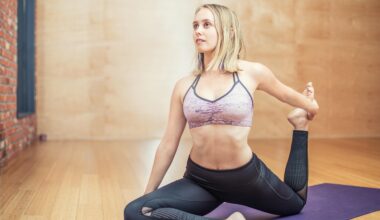
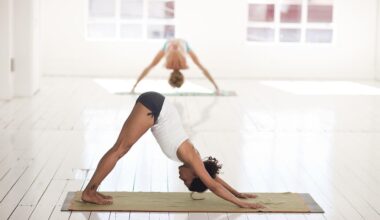
One effective routine consists of various stretches targeting major muscle groups, promoting overall flexibility and injury prevention. Begin with dynamic stretches such as arm circles and leg swings to prepare your body. Following this, static stretches targeting the hamstrings, quadriceps, and shoulders should be performed. Hold each static stretch for 15–30 seconds, breathing steadily. Engage in mobility exercises, too, like the child’s pose or cat-cow for spinal flexibility. This combination of dynamic and static stretching improves not only your flexibility but also joint mobility and muscle elasticity. Remember to perform movements thoughtfully, engaging your core properly and maintaining balance. This will enhance stability and strengthen the musculature surrounding joints. Furthermore, consider the incorporation of yoga or Pilates into your routine for a structured approach to flexibility. These practices emphasize control and alignment, providing both mental and physical benefits. Begin incorporating these exercises into your daily routine to experience long-term benefits. Gradually increase the intensity and duration of your sessions as you become more comfortable and go at your pace, focusing on creating a habit and maintaining consistency.
The Importance of Consistency in Flexibility Training
Building flexibility requires commitment and a consistent practice schedule. Just like strength or endurance training, flexibility must be trained regularly to be effective. It is recommended to engage in flexibility exercises at least three to four times per week to see significant improvements. Short, frequent sessions can be more beneficial than occasional intense stretching. By incorporating a few minutes of stretching throughout your day, this can keep your muscles supple. Much like learning any new skill, the body adapts to the consistent application of stretching techniques. The key is to focus on all major muscle groups and not just those you commonly use. Ensure your routine includes exercises for your back, chest, arms, legs, and more. As you progress, it’s important to implement variations and challenges, like deeper stretches or introducing yoga. Use resources such as videos or classes to keep the routine engaging and ensure proper form is maintained. Over time, as flexibility and mobility improve, individuals will find that it directly correlates with a lower frequency of injury, allowing for a better quality of life and enhanced functionality in daily activities.
One common form of injury can occur through repetitive movements or poor posture, making stretching essential in counteracting these influences. Correcting muscle imbalances through targeted flexibility training helps to release muscle tightness and improve overall posture. Incorporating stretches like the doorway chest stretch and seated spinal twist reduces tightness in frequently overused muscles. Increased flexibility aids in postural alignment, which lessens the strain on muscles and joints. Spend time focusing on areas of tension and incorporating relief-focused exercises into your warm-up and cool-down routines. Tightness in muscles can lead to pain and discomfort, ultimately pulling the body out of proper alignment, raising the risk of injury further. Additionally, emphasize the importance of hydration and proper nutrition to support joint and muscle health. Staying hydrated keeps tissues pliable and assists in recovery, while proper nutrition supports muscle repair and energy levels. Explore variations of each exercise to target all aspects of flexibility, adapting each to your body’s needs and comfort level. Listen to your body and approach your routine positively to ensure long-term success. Include gentle reminders to yourself about the benefits and incorporate mindfulness into your training.
Stretching for Active Lifestyles
If leading an active lifestyle, flexibility becomes even more crucial for preventing injuries. Active individuals often expose themselves to higher risks for strains and sprains. A tailored flexibility routine helps maintain muscle wellness, allowing for recovery from intense activities. Focusing on the muscle groups commonly engaged during your favorite sports or physical activities will prepare the body. For runners, ensuring hamstrings and calves receive adequate attention is essential. Meanwhile, bikers may want to focus on quadriceps and hip flexors. Regardless of the activity, a balanced approach should be pursued. Incorporate foam rolling and myofascial release techniques to alleviate muscle tightness. These practices allow muscles to release tension, enhancing flexibility in tandem with stretching. When addressing workouts, make stretching part of the regimen, either by making it a separate session or integrating exercises into the main workout. Warmed muscles have increased blood flow, increasing the effectiveness of stretching sessions. Utilize techniques like proprioceptive neuromuscular facilitation (PNF) stretching as well for advanced practitioners seeking further range of motion gains. Consultation with a physical therapist or qualified trainer can help tailor these practical methods to your specific activity and lifestyle needs.
Incorporating breathing techniques alongside stretching will cultivate an enhanced sense of relaxation and stress relief. Proper breathing improves oxygen flow to muscles, maximizing the benefits of each stretch and reducing the risk of overexertion. Practice breathing techniques such as diaphragmatic breath to promote mindfulness during each session. Ensuring the body is relaxed allows deeper stretches, promoting lengthening of tight muscles in a controlled manner. Combine an emphasis on proper breathwork with visualization techniques; picture your body becoming more flexible with each session. This mental component promotes motivation, leading to a more consistent practice. Mindfulness is vital, helping to combat stress, which can negatively affect muscle tension. Incorporate gentle music or sounds to cultivate a peaceful environment for flexibility training. As you practice, identify your limits and rest as needed. An important element of flexibility training is the intrinsic relationship between physical and emotional well-being. Use flexibility workouts as a time for self-care, where mental clarity is achieved alongside physical benefits. Encourage perseverance and growth through your routine; this mindset will support continued improvement and foster an enjoyable experience in maintaining your health.
Wrapping Up: Prioritize Flexibility for Optimal Health
Consistency in flexibility training not only helps to prevent injuries but also supports overall health and well-being. As you incorporate daily flexibility routines, remember to listen to your body and adjust your practice accordingly. Maintaining flexibility should be regarded as a vital part of your overall fitness regimen, alongside strength training and cardiovascular practices. Track your progress by noting improvements in flexibility or how your body feels during activities. By understanding your body’s unique needs, you can create a sustainable routine tailored to you. A balanced approach to fitness is essential for building resilience against injuries and enhancing athletic performance. Engage in stretching sessions that feel good, ensuring each one contributes positively to your physical and mental state. Your journey toward improved flexibility is both an exploration and a commitment. It’s beneficial to connect with like-minded individuals, either through classes or social media groups. Share your experiences and find motivation through community support. Prioritize flexibility training as a lifelong commitment, celebrating each milestone achieved and appreciating how it contributes to active living. Your dedication will translate into many positive health outcomes, setting you up for long-term success and injury-free living.
Keeping up with daily flexibility routines is an investment in your future health. With sustained practice, enhanced range of motion leads to overall improved functional fitness, making everyday activities more manageable and enjoyable. By prioritizing your flexibility, you make strides toward a more active lifestyle. Remember that flexibility practices should be enjoyable, and any pressure to perform can hinder progress. Tailor your routine based on personal preferences, focusing on stretches that resonate with you while also addressing any tight areas. Explore different methods such as yoga, Pilates, or traditional stretching. Incorporate these practices into your schedule at your convenience to ensure they fit seamlessly into your lifestyle. Each session contributes to an overall improvement in physical capabilities, even boosting mood and reducing stress levels. Share your growth with family or friends, encouraging accountability and support. Finally, incorporate flexibility goals into a broader fitness plan that emphasizes gradual progression, ensuring you find joy in this journey. A positive mindset and realistic expectations forge a foundation for continued motivation and success. However, a life without flexibly is a life of restrictions; embrace stretching as a means of liberation and freedom of movement.