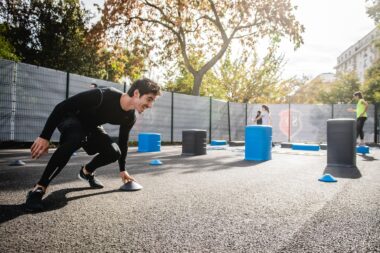

Beginners Guide: Starting a New Workout Routine
Starting a new workout routine can be challenging but also rewarding. As a beginner, it is essential to approach your fitness journey wisely and with realistic expectations. Many individuals often jump into high-intensity workouts without considering their current fitness level. To avoid injury and burnout, start with a balanced plan, focusing on different muscle groups. A well-structured workout routine should include strength training, cardio, flexibility, and balance exercises. Remember to allow for rest days to help your body recover. The frequency of workouts is crucial. Aim for at least three to four sessions a week, gradually increasing as you become more comfortable. This approach helps to create a habit and leads to sustainable progress. Consider tracking your workouts and progress through a journal or app. You can also set short-term and long-term fitness goals to motivate yourself. Engaging in various exercise forms, such as running, cycling, or group classes, can keep your routine enjoyable. Finally, consult a fitness professional if you can, as they can create a personalized workout plan tailored to your needs.
Basic Components of a Workout Routine
A comprehensive workout routine typically consists of several key components that cater to beginners. First, a warm-up is essential for preparing your body for exercise, minimizing the risk of injury. Dynamic stretching or light cardio for about 5 to 10 minutes can be effective in this stage. Following the warm-up, the core of your routine should focus on strength training and cardiovascular workouts. Strength training builds muscle and improves metabolism, while cardio exercises enhance endurance and heart health. Moreover, incorporating flexibility exercises like yoga or static stretching post-workout promotes recovery and increases mobility. Aim for 20 to 30 minutes of strength training and at least 150 minutes of moderate-intensity cardio weekly. Additionally, rest days are critical to prevent overtraining and injuries; include at least one or two days of rest each week. A good practice is to mix various exercises to target different muscle groups and avoid routine monotony. Try including compound movements, such as squats and push-ups, for comprehensive fitness. Lastly, listen to your body and adjust your routine based on your energy levels and recovery needs.
Nutrition plays a vital role in enhancing your workout performance and recovery. As a beginner, focusing on a balanced diet will fuel your body effectively and support your fitness goals. Aim to include a variety of nutrient-dense foods in your diet, such as lean proteins, whole grains, healthy fats, fruits, and vegetables. Proteins are particularly important for muscle repair and growth, while carbohydrates provide energy for your workouts. Be mindful of the quality of your food choices; prioritize whole, unprocessed foods over sugary snacks and sodas. Staying hydrated is equally crucial; ensure you drink plenty of water before, during, and after your exercise sessions. Consider tracking your daily caloric intake to understand your nutritional needs better. If you feel uncertain about your diet, consider consulting a nutritionist for personalized advice. Furthermore, listening to your body’s hunger cues is essential. Eating balanced meals first will help you develop healthy habits that support your exercise routine. Lastly, refrain from skipping meals, as this can hinder your progress and negatively affect your workout performance.
Goal Setting for Beginners
Setting fitness goals as a beginner can be incredibly motivational, helping you stay consistent with your workout routine. Start by determining your specific objectives, whether they revolve around losing weight, gaining muscle, increasing endurance, or simply enjoying physical activity. To enhance accountability, consider writing down your goals using the SMART criteria: Specific, Measurable, Achievable, Relevant, and Time-Bound. For example, instead of stating, “I want to lose weight,” consider refining it to, “I want to lose 10 pounds in three months by exercising 4 times weekly and eating a balanced diet.” Break down large goals into smaller, manageable milestones to track your progress effectively. Celebrate each achievement, no matter how small, as this will keep you motivated throughout your journey. It’s also essential to be patient with yourself, as results may take time. Don’t hesitate to adjust your goals if you notice unexpected changes or challenges; flexibility is crucial in any fitness journey. Surround yourself with supportive friends or join fitness communities to share experiences and remain encouraged. Lastly, remind yourself of the ultimate reason behind your goals to maintain motivation.
Incorporating variety into your workout routine can make exercising much more enjoyable and sustainable over time. As a beginner, exploring various types of workouts can help you discover what you truly enjoy. Mixing strengths training, cardio, yoga, and recreational activities will keep you engaged and prevent burnout. For example, participants who focus solely on strength training can benefit from supplementing their routines with aerobic exercises like swimming or cycling. These practices promote overall fitness and enhance your motivation levels, making workouts feel less daunting. Cross-training can also strengthen various muscle groups, promote recovery, and reduce the risk of injury due to overuse. Moreover, try different workout environments, such as indoor gyms, outdoor parks, or at-home routines. Group classes can also provide a social aspect to exercising, making it fun while promoting accountability. Local fitness studios, community centers, and parks are ideal places to find workout classes that fit your interests. Lastly, don’t hesitate to switch up your workout schedule and activities to keep things fresh, ensuring your journey remains exciting and ultimately, rewarding.
Tracking Progress and Staying Motivated
Tracking progress is crucial for maintaining motivation throughout your workout journey as a beginner. Keeping a journal or using fitness apps can help you monitor your workouts, nutrition, and achievements. This practice allows you more visibility into your improvements and helps adjust your goals if necessary. Along with tracking your physical progress, consider noting your emotions and thoughts regarding exercises. You can identify stressors or challenges you may face and find appropriate strategies to address them. Celebrate your accomplishments regularly, whether it’s achieving a personal record in your workouts, completing an additional set, or simply feeling stronger. Sharing your fitness journey with friends or joining online forums can encourage accountability and foster connections with like-minded individuals. Motivational quotes or images can further inspire you throughout your journey. Reviewing your progress frequently can maintain your focus, keeping your gaze on long-term results. Lastly, remind yourself why you started this journey, whether to improve health, gain confidence, or boost mood, as this reminder will fuel your motivation to continue pushing towards your goals.
In conclusion, starting a new workout routine can significantly improve your physical and mental well-being. By approaching your fitness journey with smart planning, goal setting, and tracking, you can establish a sustainable workout habit. Essential components like balanced nutrition, variety, and rest will further support your progress. Remember that fitness is not a race, and everyone progresses at their own pace. Commit to enjoying the process and remain adaptable when facing challenges. Surround yourself with a supportive community and explore different workout environments, making fitness a fulfilling aspect of your life. Lastly, as you advance in your journey, don’t hesitate to reassess your goals and keep pushing your boundaries – the key is to remain consistent and committed to your well-being!