
Using Dance to Develop Advanced Coordination and Balance
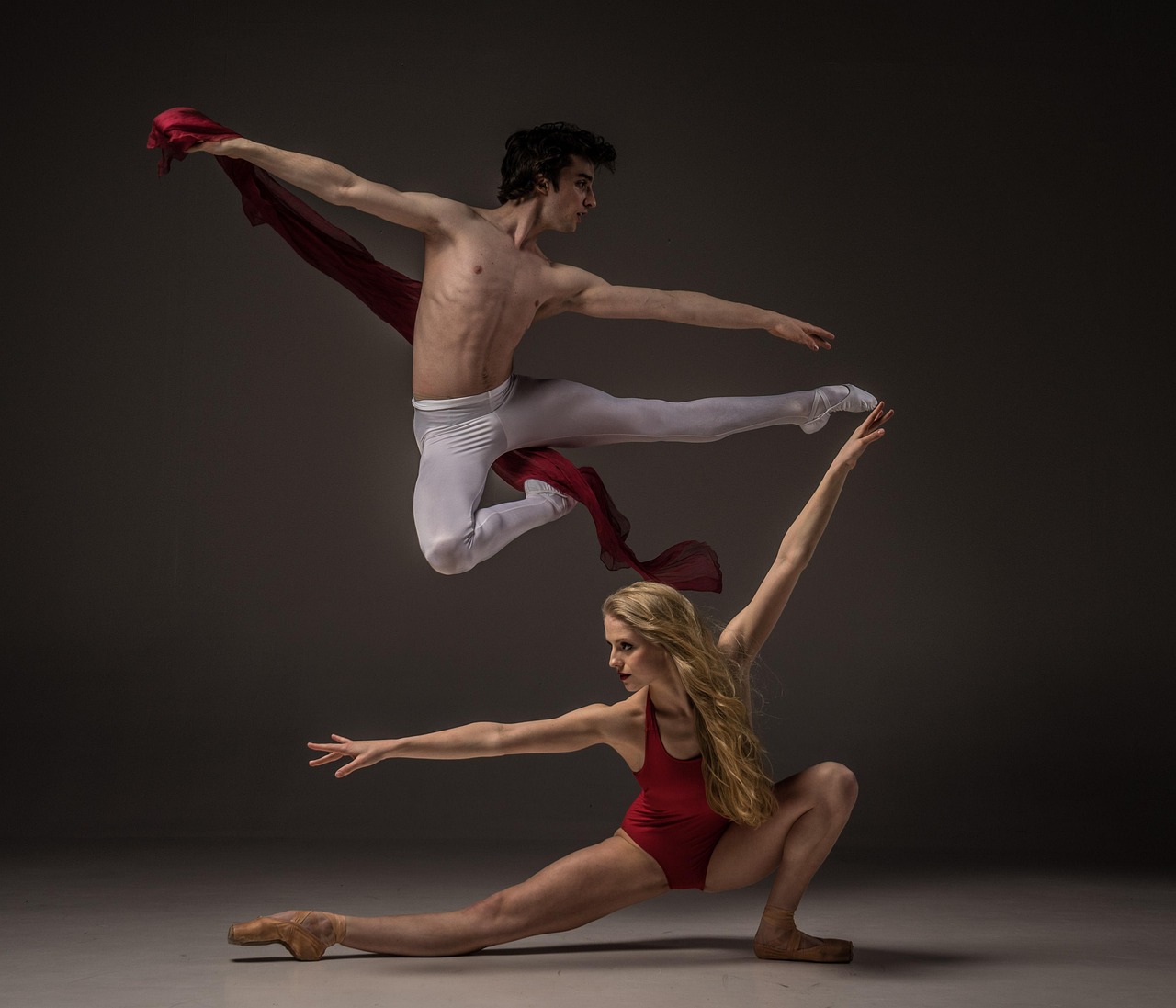
Dance is a profound form of physical expression that cultivates both coordination and balance. Various dance styles, from ballet to contemporary dance, engage multiple muscle groups and enhance body awareness. This awareness fosters improved coordination through the understanding of body alignment and movement mechanics. Instructors often emphasize that dancers need to maintain their core stability, as this stabilization provides a foundation for advanced movements. Furthermore, practicing dance routines regularly accelerates muscle memory, enabling individuals to execute complex sequences with fluidity and precision. Relying on rhythmic patterns and visual imagery, dancers synchronize their movements, sharpening their timing and spatial awareness. As participants immerse themselves in the artistry of dance, they also develop agility, essential for executing advanced techniques. The joy and creativity inherent in dance promote sustained practice, which is crucial for progression in skills. Additionally, engaging in partner dances encourages communication and teamwork, enhancing interpersonal skills. Through dance, practitioners connect emotionally, further enriching their physical journey. Ultimately, dance is not just an art form; it is an invaluable avenue for mastering balance and coordination in a dynamic environment.
The Role of Core Strength in Dance
A dancer’s ability to maintain balance during practices and performances relies significantly on core strength. Core muscles, which encompass the abdomen, back, and pelvic area, are essential for stabilizing the body during various dance movements. When dancers engage their core effectively, they can achieve greater control, making it easier to execute intricate choreography. Inadequate core strength often leads to instability, hindering performance quality. Therefore, dancers often incorporate targeted exercises, such as planks and Pilates, to enhance their core stability. These practices help forge a solid foundation, allowing for more advanced balance techniques. In addition to physical benefits, strengthening the core promotes longevity in a dancer’s career, reducing injury risks associated with demanding routines. Furthermore, a strong core aids in achieving proper alignment, which is critical for executing turns, jumps, and other demanding movements with grace. Flexibility and strength are intertwined; thus, dancers must develop both simultaneously. Integrating a comprehensive training program that addresses core stability can lead to remarkable improvements in performance. Engaging in consistent core-focused training unlocks new levels of skill for both novice and advanced dancers.
Alongside core strength, enhancing proprioception is crucial for advanced coordination in dance. Proprioception refers to the body’s ability to sense its position and movement in space, a skill vital for dancers who execute complex movements. Dance training often includes exercises that sharpen awareness of body dynamics through repetitive practices. Through the exploration of various textures and rhythms, dancers learn how to adapt their movements while maintaining balance. For instance, balancing on one foot while executing arm movements enhances proprioceptive feedback. This intrinsic feedback loop fosters the coordination necessary to execute dynamic choreography. Dancers often participate in activities that challenge their balance, such as using wobble boards or practicing on irregular surfaces. Such exercises compel the body to engage stabilizing muscles, cultivating both strength and coordination. Additionally, incorporating visual tracking exercises can improve hand-eye coordination, vital for interacting with dance partners or props. Performing in front of mirrors also allows dancers to analyze their movements, further boosting their proprioceptive awareness. Ultimately, enhancing proprioception through dance not only improves balance but also enriches the overall performance quality. This integration of skills can lead to artistry that captivates audiences.
The Psychological Benefits of Dance Training
Beyond the physical attributes, dance serves as a powerful medium for building psychological resilience, enhancing mental focus, and cultivating self-confidence. Training in dance fosters an environment of discipline through the focus required to master techniques. This discipline translates into other aspects of life, encouraging a growth mindset that values effort and perseverance. The social interactions that occur in group dance settings also promote a sense of community and belonging. Engaging with peers during lessons bolsters motivation, making it more enjoyable to improve balance and coordination. Moreover, as dancers learn advanced techniques, they experience a sense of accomplishment, reinforcing their self-esteem. The rhythmic nature of dance promotes mindfulness, encouraging practitioners to stay present in the moment. This mindfulness also translates into heightened spatial awareness, essential for mastering challenging routines. Furthermore, as dancers overcome unique obstacles inherent in learning difficult choreography, they build resilience. Practicing facing challenges prepares dancers for both performances and everyday life hurdles. Therefore, dance training offers mental health benefits that complement the physical demands, fostering a holistic approach to personal development through balance and coordination.
Incorporating various dance styles into training programs can further enhance both coordination and balance. Different genres, such as hip-hop, jazz, or ballroom, emphasize distinct movements and techniques, exposing dancers to a wide range of skills. This exposure broadens their movement vocabulary, fostering adaptability and innovation. By switching styles, dancers challenge their bodies in new ways, stimulating growth. For example, transitioning from ballet’s controlled rigidity to hip-hop’s free-flowing energy can offer unique learning experiences that enhance adaptability. This versatility is essential in today’s diverse dance landscape, where blending styles has become increasingly common. Such fusion encourages creativity, allowing dancers to express themselves while reinforcing balance. Furthermore, partnering frequently in styles like ballroom enriches social skills and fosters closeness, which is crucial for navigating shared space. As partners learn to share balance and weight, they further hone their coordination. Engaging in a variety of dance disciplines not only empowers dancers physically but also encourages community across diverse styles. This exchange of techniques enhances their evolution, leading to more compelling performances that captivate audiences. Embracing diversity in dance ultimately enriches a dancer’s journey, promoting growth and development across all dimensions.
Balancing Technology and Dance Training
As technology grows, integrating innovative tools into dance training offers new opportunities for enhancing coordination and balance. Virtual reality (VR) and augmented reality (AR) applications allow dancers to practice complex moves in immersive environments. These technologies provide instant feedback, enabling dancers to visualize their progress and understand areas of improvement. For instance, VR headsets can simulate real-life performance conditions, preparing dancers for high-stakes shows without the inherent pressures of live audiences. Additionally, wearable devices track movements, providing data on posture, alignment, and balance measures. Such insights empower dancers to analyze their techniques effectively, making informed adjustments. Furthermore, online platforms and tutorials offer easy access to expert training, expanding learning opportunities beyond local studios. Dance communities on social media can share experiences, feedback, and techniques, fostering camaraderie and growth. Engaging with online challenges encourages global collaborations, pushing dancers to innovate. However, the challenge lies in finding a balance between technology and traditional training methods. Dancers must remember the importance of physical connection and practice while leveraging technology. Ultimately, blending technology with dance training enriches the learning experience and accelerates skill development.
In conclusion, utilizing dance as a tool for developing advanced coordination and balance offers invaluable benefits. The multifaceted nature of dance engages both the body and mind, providing a unique platform for enhancing physical abilities. Through consistent practice and exploration, dancers cultivate core strength, proprioception, and psychological resilience. Additionally, the integration of diverse dance styles and modern technologies contributes to comprehensive skill development. As dancers embrace their journeys, they foster a sense of community and collaboration essential for artistic growth. The joy of expressing oneself through movement intertwines with personal development, leading to enhanced coordination and balance. This holistic approach nurtures both the physical and emotional well-being of dancers, creating a lasting impact. Ultimately, dance transcends mere physicality, transforming into an experience of self-discovery, empowerment, and artistry. Whether as a recreational pursuit or a professional path, the dance journey is profound. By prioritizing coordination and balance, dancers not only improve their technical abilities but also enrich their lives. As they navigate their artistic landscapes, the principles learned through dance can transcend the studio, infusing life with grace and confidence.