
How to Incorporate Free Weights into Your Personal Training Routine
Incorporating free weights into your personal training routine can enhance strength and overall fitness. Free weights offer versatility and can target specific muscle groups effectively. To start, choose a variety of weights that cater to your fitness level, ensuring that each weight is appropriate for your routine. Incorporate basic movements such as squats, bench presses, and deadlifts to engage major muscle groups. These fundamental exercises can improve your overall strength, coordination, and balance. One way to structure your routine is by focusing on compound movements that involve multiple joints and muscles. For greater efficiency, consider high-intensity interval training (HIIT) integrating free weights. This can maximize calorie burn in shorter workout times, proving beneficial for busy schedules. Additionally, progressively overload by gradually increasing weights to stimulate muscle growth. Maintain proper form to avoid injuries; practicing good posture is crucial during each exercise. Consult with a professional trainer if unsure about technique. Consistency is key; aim for at least two to three sessions per week to see results and maintain motivation.
Choosing the Right Free Weights
Selecting the appropriate free weights for your personal training can greatly affect results. Begin by assessing your personal fitness level to determine suitable weight range for your exercises. If you’re a beginner, consider lighter weights to learn correct form and techniques. As you build strength, increase the weight to challenge yourself effectively. Choosing between dumbbells and kettlebells can be pivotal; both have unique advantages. Dumbbells are excellent for isolating muscles, while kettlebells can enhance explosiveness and functional movement patterns. Another option is resistance bands, offering unique benefits in terms of versatility, particularly for rehabilitation or injury prevention. A combination of traditional weights and body-weight exercises can yield impressive gains. It’s essential to have a variety of weights available to adapt to different exercises and varying fatigue levels to maximize efficiency. Store them securely to prevent accidents in your workout area, and always practice safety when switching weights during sessions. Remember to listen to your body and modify workouts to suit your individual fitness journey while setting realistic, achievable goals.
Understanding common mistakes when using free weights can help in optimizing your training efficiency. One frequent error is lifting weights that are too heavy, which can lead to poor form or injury. Start with manageable weights, progressively increasing them as strength improves. Another mistake is often skipping warm-ups or cool-downs, which can result in strain. Incorporate dynamic stretches to prepare your muscles before and static stretches post-workout. Ensuring proper hydration during your workouts is equally important. Free weights require significant focus to maintain proper form, and dehydration can impair performance. Failing to incorporate variety into workouts can lead to plateaus. To avoid this, frequently switch up your routine, incorporating different free weight exercises targeting various muscle groups. Moreover, neglecting recovery time is detrimental; muscles need rest to grow stronger. Allow ample time for recovery between weight sessions to promote optimal muscle function and repair. Finally, documenting progress can offer valuable insights into your fitness journey. Track weight progression and changes in muscle tone to remain motivated and achieve your fitness goals.
Integrating Free Weights into Your Routine
To successfully integrate free weights into your personal training routine, start small and build a sustainable schedule. Consider beginning with just one or two sessions per week, then gradually increase frequency as your confidence and strength grow. Developing a structured plan focusing on specific goals—like building muscle, enhancing endurance, or losing fat—can guide your free weight usage effectively. For instance, creating split routines allows you to focus on different muscle groups each session, which can enhance recovery and results. It’s also essential to incorporate a balanced mix of exercises targeting all areas of the body. Don’t forget to include upper and lower body workouts alongside core strengthening exercises, ensuring overall functional fitness. Be mindful of rest days; ensuring muscle recovery is crucial for results. Investing in a workout journal can help track your progress, adapt your routine, and achieve well-defined results over time. As you become more familiar with free weights, consider attending group classes or online tutorials to gain additional knowledge and inspiration to keep your routine enjoyable.
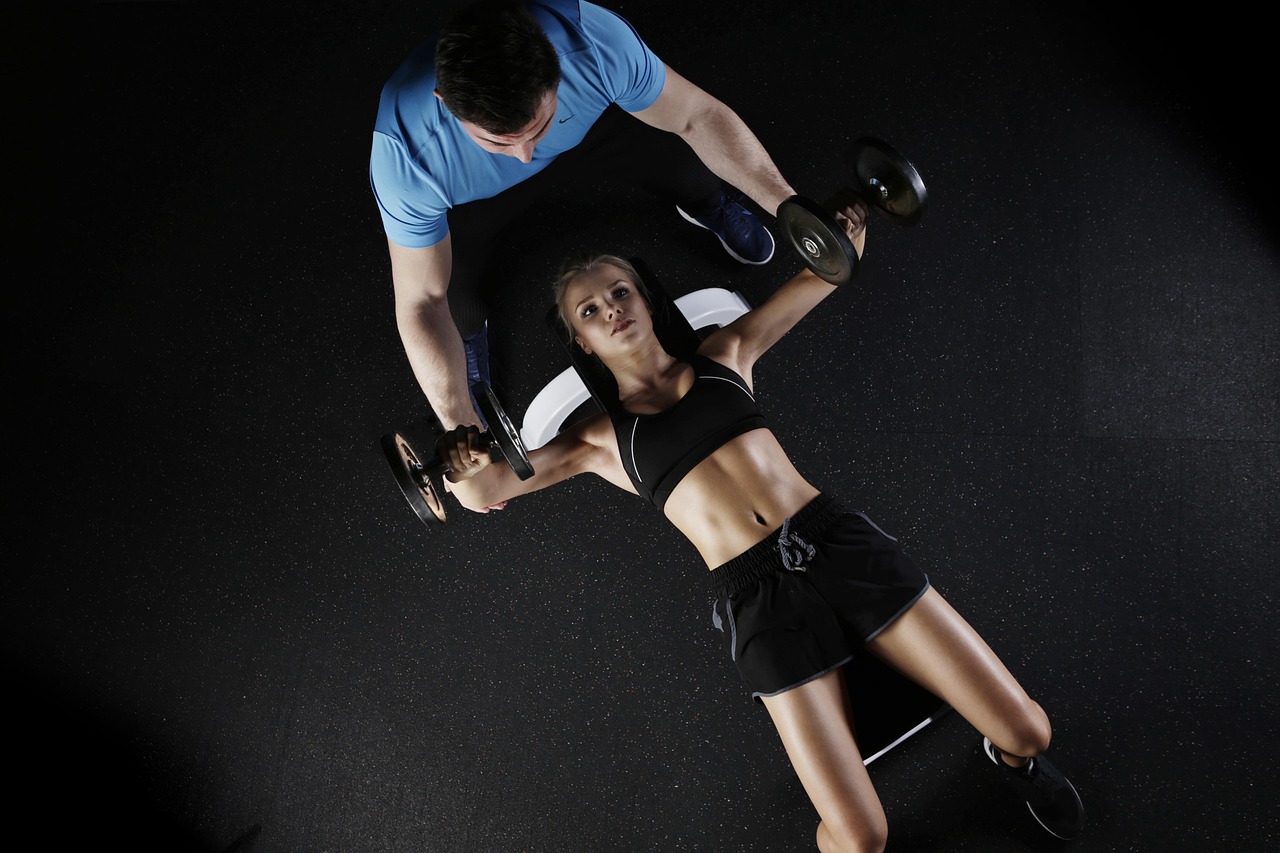
Safety is paramount when using free weights in your training routine. Always start with lighter weights, ensuring that you master the correct technique before attempting heavier lifts. It’s advisable to work out with a partner or trainer, especially when trying new exercises or pushing your limits. This not only keeps you accountable but also offers immediate support in case of injury. Establish a warm-up routine, as this prepares muscles for the physical demands of weight lifting and helps prevent injuries. Core strength plays a significant role in stabilizing your body during free weight exercises, so include equipment-free core workouts in your regimen. Regularly assess your environment; ensure ample space and that weights are stored safely to avoid accidents. Additionally, wearing appropriate footwear can enhance stability, reducing the risk of slips or falls. Maintain focus during workouts to avoid distraction, which is crucial for both safety and proper form. Remember to breathe correctly during lifts, as this increases oxygen flow and stabilizes the core. Always consult your doctor if you have pre-existing conditions before beginning any rigorous free weight training program.
Tracking Progress with Free Weights
Monitoring your progress is essential when incorporating free weights into your personal training routine. An effective method is to maintain a workout journal where you can document your exercises, weights, and sets performed each session. This provides a clear record of progress, helping to identify patterns or areas needing improvement. Utilize online fitness trackers or apps that allow you to log your workouts conveniently. These tools often offer features like goal setting, reminders, and even community support, enhancing your motivation. Take regular photographs or measurements to visually assess physical changes resulting from your training. Consistency is key; having a dedicated schedule can prevent stagnation and encourage progress over time. If you find yourself hitting a plateau, consider varying your routines, exercises, and weights to create new challenges for your body. Set realistic short-term goals that lead towards your long-term aspirations, using those as benchmarks for success. Reward yourself upon achieving significant milestones to stay motivated. Overall, focus on gradual improvements rather than immediate perfection, as sustainable growth often leads to the best results.
Diet and nutrition play a significant role in maximizing the benefits of free weights in your personal training routine. Consuming the right balance of nutrients can enhance performance during workouts. Prioritize a diet rich in whole foods, such as lean proteins, healthy fats, and complex carbohydrates. Protein is crucial for muscle repair; consider incorporating sources like chicken, fish, legumes, and dairy into your meals. Carbohydrates provide the necessary energy for those intense training sessions, especially when working out with free weights. Don’t neglect fats, as they are essential for hormone regulation and overall health. Stay adequately hydrated, consuming enough water before, during, and after workouts to maintain optimal performance. Post-workout nutrition is equally important; trying to eat a balanced meal or snack within an hour after exercise can promote muscle recovery. Consider consulting with a nutritionist for personalized dietary guidance. Various supplements may also complement your efforts but should never replace a well-rounded diet. Ensure to read labels thoroughly and choose reputable supplements to avoid impurities. Pay attention to how your body reacts to various foods and make adjustments accordingly, ensuring you find the optimal fuel combination for your fitness journey.
Conclusion: Building a Stronger You
Integrating free weights into your personal training routine can create lasting benefits for overall health and fitness. Emphasizing strength development fosters body awareness while promoting functional fitness. Through consistent practice, careful planning, and proper nutrition, you can reach and exceed your personal fitness goals. Remember to listen to your body and adapt your routine as necessary; progression is a personal journey. Consulting fitness professionals can provide tailored support exclusive to your needs. Utilize available resources, such as community classes and training apps, to stay engaged and motivated. The more varied and enjoyable your workouts are, the more likely you are to stick with your routine long term. Free weights truly offer unparalleled versatility; thus, don’t hesitate to experiment with exercises to discover what works best for you. Focus on cultivating a positive mindset toward your fitness journey, celebrating small achievements along the way. Keep informed about best practices in strength training through reputable sources. Above all, enjoy the process of becoming a stronger, healthier version of yourself. Your commitment will lead to improved physical and mental wellbeing in everyday activities and challenges, ultimately enhancing your quality of life.