
Freestyle Swimming Drills to Perfect Your Technique
Freestyle swimming, known for its speed and efficiency, can be perfected through specific drills. These drills help swimmers improve their technique, build endurance, and enhance overall performance in the water. Start with basic drills that isolate individual components of your stroke. For instance, practicing the catch position helps swimmers focus on engaging the water effectively. Another foundational drill is the fingertip drag, where swimmers drag their fingertips along the surface of the water during recovery. This promotes a high elbow position, essential for optimal stroke mechanics. Incorporating bilateral breathing into your training enhances balance and stroke symmetry, allowing you to breathe on both sides. Moreover, utilizing a pull buoy can help swimmers focus on arm technique while reducing leg involvement, clarifying the connection between your arms and the propulsion they provide. Swimmers should strive to combine these drills into a cohesive training plan, ensuring that technique improvement is gradual but consistent. Setting specific goals for each session increases motivation and helps track progress over time, leading to positive outcomes. Therefore, swimmers of all levels can benefit from consistent practice and commitment.
The Importance of Body Positioning
Effective freestyle swimming relies heavily on proper body positioning in the water. Maintaining a streamlined posture reduces drag and enhances speed. Swimmers should aim to keep their body in a horizontal line, from fingertips to toes, minimizing resistance. This alignment ensures that the swimmer uses energy efficiently and conserves it for longer distances. One effective drill to improve body positioning is the “floating” drill, where you focus on your alignment without using your legs. Good body positioning also enables swimmers to rotate their hips efficiently, allowing for a more powerful stroke. Incorporating drills such as side kicking emphasizes keeping the body flat and encourages proper hip rotation as swimmers prepare to breathe. Additionally, practicing with a snorkel can help swimmers maintain optimal head position without compromising their rotation. Understanding where the head, hips, and feet should be positioned allows swimmers to focus purely on their arm movement. Regularly focusing on body positioning during drills reinforces the importance of maintaining this alignment throughout every swim. Hence, integrating body position-focused drills into your routine is crucial for developing an efficient freestyle technique.
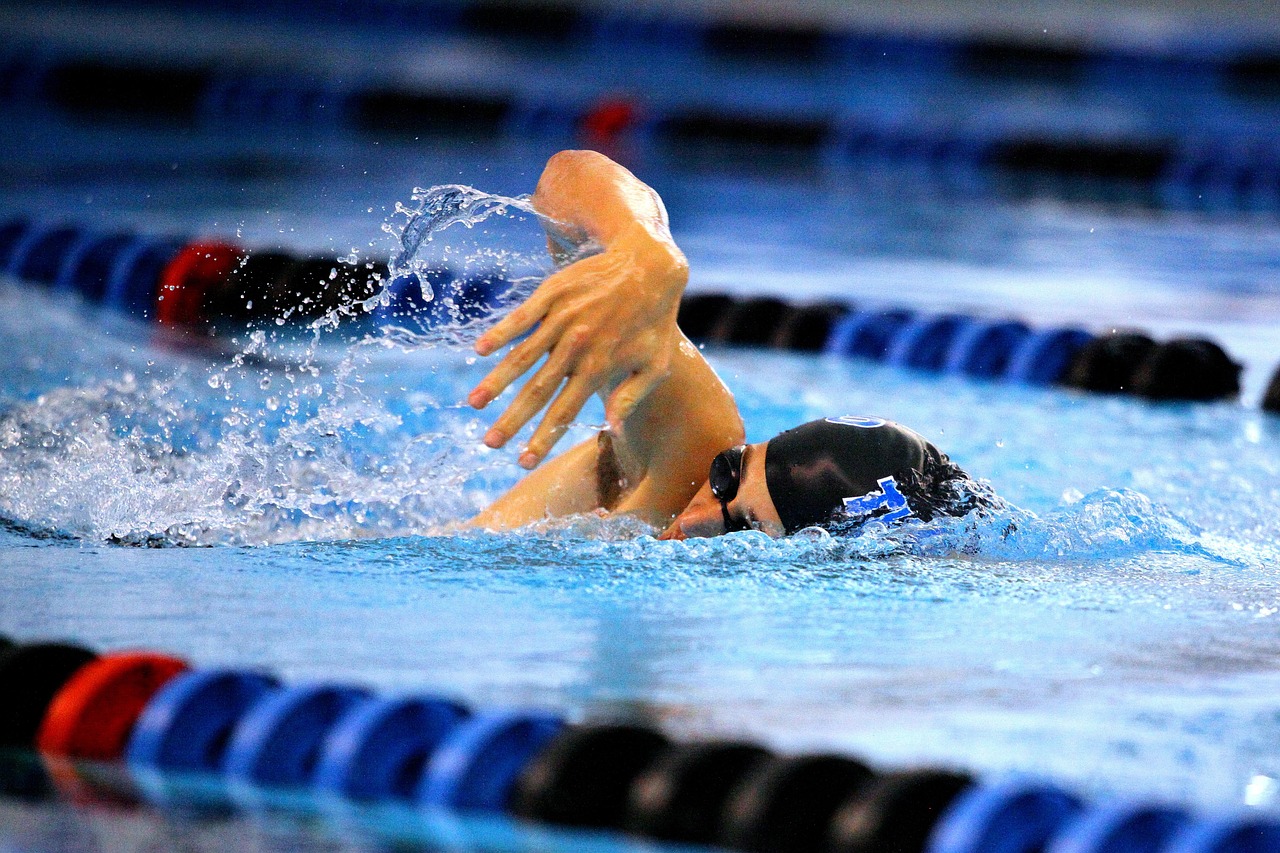
Another essential component to master in freestyle swimming is the arm stroke technique. This involves understanding the phases of the arm stroke, including entry, catch, pull, and recovery. The entry phase begins with reaching your hand forward, ideally entering the water at shoulder-width. Focus on a relaxed hand and arm to reduce splashing upon entry. During the catch phase, engage your core and rotate your shoulder to allow your hand to create a ‘catch’ in the water. Practice the pull phase by ensuring that your elbow remains higher than your hand, generating more propulsion. Frequent drills that emphasize arm stroke include “three-three-three” where swimmers alternate strokes while focusing keenly on their arm action. Pay attention to elbow position and ensure it remains above your hand while pulling. For the recovery phase, emphasize keeping the arm relaxed and high above the water to maintain momentum. By incorporating these stages into drills, swimmers become increasingly aware of their arm movement. Thus, constant focus on arm stroke technique leads to gradual mastery of freestyling, ensuring confidence and stability during competition.
Breathing Techniques for Freestyle
Breathing is often considered the most challenging aspect of freestyle swimming. Achieving a fluid and rhythmic breathing pattern is crucial to maintain speed and effortless movement. An effective approach is to practice bilateral breathing to promote symmetry and leverage both sides effectively. The key to mastering breathing lies in timing; coordination between breathing and your stroke will lead to optimal results. Swimmers should avoid lifting their heads too high as this disrupts their body position. Instead, practice the side breathing drill where you focus on turning your head just slightly to inhale, allowing your body to stay parallel with the water’s surface. Utilizing drills like the “shallow breathing” technique promotes comfort and allows swimmers to practice efficiently in shorter distances. Incorporating a set number of breaths every three or five strokes ensures focus on this critical aspect of freestyle. By regularly practicing these breathing techniques, swimmers build confidence and improve their overall performance. Ultimately, the right breathing strategy greatly enhances endurance during longer swims, ensuring that oxygen intake is balanced with effort exerted. A disciplined approach to breathing will yield positive results in freestyle swimming.
Kick techniques are another vital aspect of perfecting freestyle swimming. A strong and effective kick can significantly enhance speed and body movement through the water. Swimmers should focus on maintaining a steady and rhythmic kicking motion, ideally starting with the legs in a straight line. Avoid chaotic or excessive kicking, as this may lead to fatigue and disrupt your streamlined position. One helpful drill to improve your kick is the “vertical kick” where swimmers maintain a vertical position and kick with minimal or no use of arms. This builds both leg strength and endurance, while also allowing swimmers to identify proper kicking rhythm. When practicing this drill, focus on keeping your ankles relaxed and your toes pointed, maximizing propulsion. Additionally, incorporating the use of a kickboard allows swimmers to isolate leg strength while refining kicking techniques. Consistent practice will lead to improved core stability and a more powerful kick. As swims progress, keep striving for shorter breaks between drills to maximize the kicking benefits. Ultimately, mastering kicking techniques enhances freestyle performance and overall swimming efficiency.
Feedback and Video Analysis
To truly perfect your freestyle swimming technique, it’s essential to receive feedback on your performance. This can significantly help identify areas for improvement, leading to more targeted training efforts. One effective tool is to utilize video analysis of your swim sessions. Recording yourself while swimming allows you to assess your strokes, breathing, and overall technique. Observing your movements can uncover flaws that might go unnoticed while swimming. Alternatively, partnering with a coach or a knowledgeable swim buddy can provide immediate feedback during practice sessions. These partners will offer an outside view and can assist in correcting your form or strategy on the spot. Furthermore, consider utilizing swimming apps that track your stroke counts and lap times for added insights. Incorporating regular feedback sessions into your training plan will keep you accountable and focused on areas needing refinement. However, don’t just focus on weaknesses; it’s equally important to understand what you’re doing right. A well-rounded approach to criticism fosters better technique and encourages swimmers to recognize their progress. Hence, consistent feedback plays a pivotal role in perfecting freestyle swimming skills.
As you incorporate these drills and techniques into your freestyle swimming routine, it’s crucial to remain patient and persistent. Developing efficient strokes and improving your overall technique does not happen overnight. Regular practice combined with an informed approach will yield the most benefit. Setting achievable goals such as reducing stroke count or improving lap times can help track progress effectively. It’s also beneficial to vary your workouts to keep sessions engaging while ensuring all aspects of freestyle swimming are addressed. Schedule dedicated time for skill development alongside endurance training, allowing for a well-rounded routine. Additionally, consider joining a swim club to benefit from camaraderie and collective learning. Engaging with fellow swimmers fosters a supportive environment where you can share tips and motivate one another. Learning from experienced swimmers can offer invaluable insights, which is an often-overlooked aspect of skill advancement. Embrace different perspectives on techniques and adapt them to suit your personal style. Ultimately, this commitment fosters a love for swimming and significantly enhances freestyle technique efficiency.
Conclusion: The Path to Mastering Freestyle
In conclusion, perfecting your freestyle swimming technique is a journey that requires dedication and consistent practice. As you integrate the discussed drills, focus on body positioning, arm strokes, breathing patterns, and kicking techniques. Each of these elements plays a pivotal role in developing a supremely efficient freestyle stroke. Remember to seek feedback regularly from coaches or training partners, as this helps to provide perspective and highlight improvements. Set achievable goals while keeping your workouts varied to maintain motivation throughout the training process. Moreover, embracing different drills and maintaining a disciplined approach will maximize your improvement over time. Your hard work in mastering all components of freestyle swimming will pay off immensely during competitive events and personal challenges alike. Lastly, stay committed to your swimming development, as every practice session contributes to your overall performance. With focus, effort, and the right drills, you’ll be well on your way to becoming a proficient freestyle swimmer ready to tackle any swim challenge. Your journey is a personal one; enjoy the process and celebrate each improvement, no matter how small. This positive mindset will drive your continued growth as a swimmer.