
The Importance of Family Fitness for Mental Health
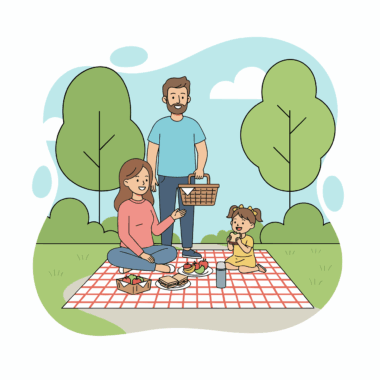
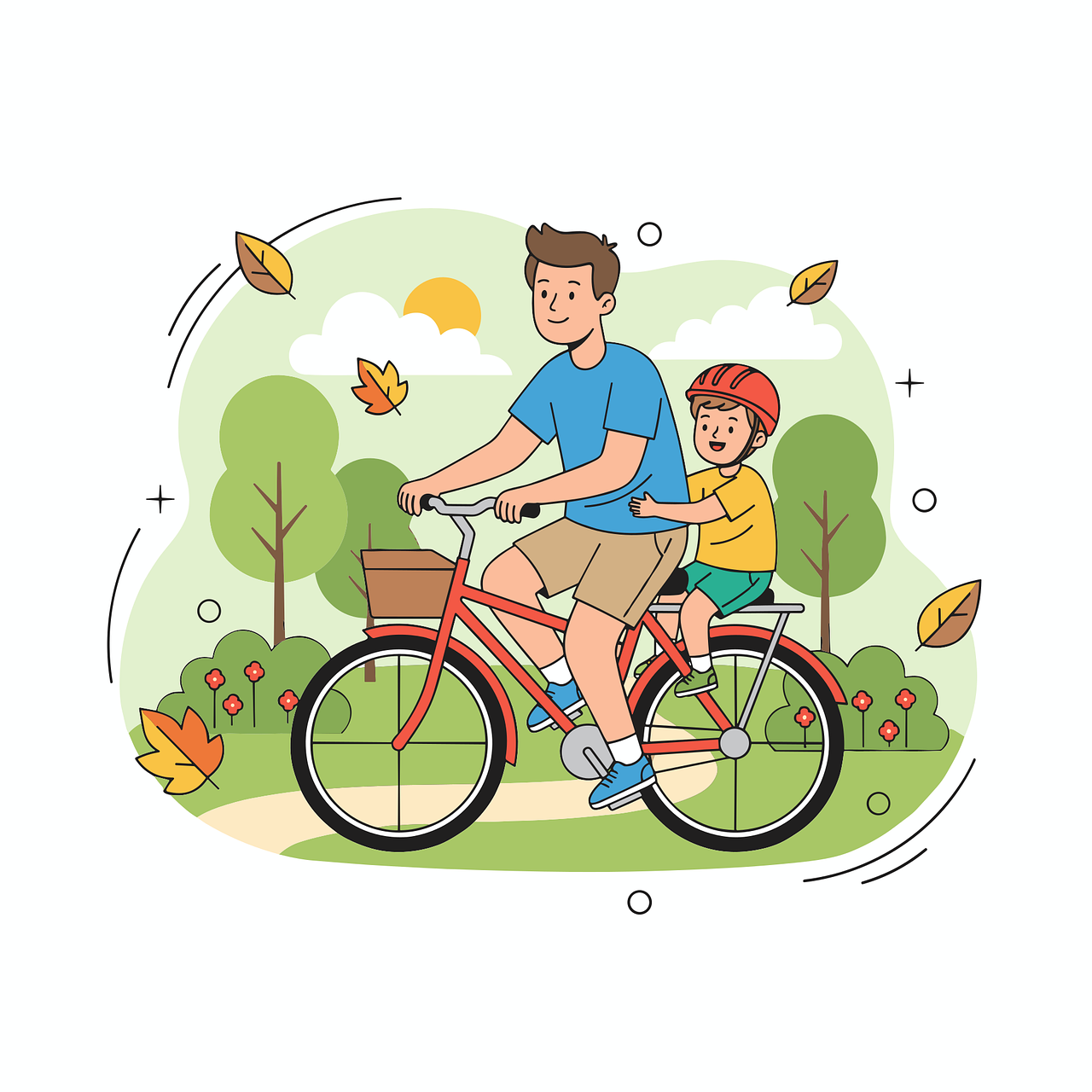
In today’s fast-paced world, staying physically active can be challenging. However, incorporating fitness into family routines benefits everyone involved, particularly for mental health. Regular exercise plays a vital role in reducing stress and anxiety levels. When families engage in physical activities together, they promote positive interactions and create lasting memories. Simple activities like hiking, biking, or even a game of tag in the backyard allow everyone to participate, regardless of age. This social aspect strengthens familial bonds, providing emotional support that is essential for mental well-being. By staying active together, families can pursue common goals, fostering teamwork and communication. Furthermore, group exercises encourage accountability, motivating individuals to maintain a healthy lifestyle. This encouragement from family members helps reinforce positive habits that can last a lifetime. Emphasizing fitness within the family also sets a solid foundation for children, enhancing their understanding of health. It teaches them not only the importance of physical exercise but also instills values of teamwork and cooperation, which are critical for personal growth and mental resilience. As you plan family outings, consider including a fitness-oriented activity to reap the mental health benefits.
Each family member can contribute to the fitness journey in unique ways, making it a collaborative effort. Consider organizing family fitness challenges to motivate healthy competition. For instance, tracking steps or completing specific workouts can encourage participation while fostering unity. Additionally, these activities can be tailored to meet the preferences of everyone involved, ensuring enjoyment and adherence. A balanced mix of cardio, strength training, and flexibility exercises can cater to diverse fitness levels and interests, ensuring everyone feels included. Furthermore, don’t forget the importance of planning nutritious meals. Preparing and eating healthy food together reinforces healthy habits, directly impacting mental health. Nutrition and exercise are interlinked, as proper nutrition fuels the body, enhancing physical capacity and mental clarity. Possible family meals might include colorful salads or homemade smoothies, allowing everyone to learn about healthy eating while cooking together. Keep in mind that consistency is key. Establishing a dedicated time for family fitness can create a sense of routine, instilling healthy habits in children from an early age. This predictability fosters a structured environment which can be comforting, particularly in times when life’s pace feels overwhelming.
The Social Benefits of Family Fitness
Engaging in regular fitness routines as a family not only promotes physical health but significantly enhances social bonds. Exercising together creates shared experiences. These relationships help improve communication between family members, fostering openness and connection. When families come together to achieve fitness goals, they celebrate successes collectively, reinforcing a sense of pride and accomplishment. Moreover, active families seem more connected to one another. Consider activities such as family sports days, where everyone participates in games and challenges. Such activities allow individuals to showcase their unique skills and talents, enriching family interactions and strengthening the family unit. Furthermore, fitness-related events like charity runs can also create opportunities to contribute to the community together, cultivating a spirit of altruism. Practicing exercises as a family helps alleviate tensions that occasionally arise in household dynamics. Completing a workout serves as a great outlet for stress and frustration, turning negativity into positive energy. This interaction not only supports mental health but also prepares children for future relationships, teaching them valuable teamwork skills and respect for others. In other words, family fitness is truly beneficial for the entire family, both physically and mentally.
Adopting an active lifestyle also serves as a vital example for children. Children observe their parents’ behaviors; thus, demonstrating a commitment to fitness positively influences their habits. When parents make workouts a priority, it signals the importance of maintaining personal health. This modeling of healthy behavior supports children in developing lifelong fitness habits. To further capture children’s interest, it is essential to find activities that they enjoy, ensuring their active participation. For example, introducing them to various sports or group classes may help them discover what they genuinely love. Encourage them with positive reinforcement and celebrate their achievements. As families engage in physical activities, the shared laughter and fun experiences enhance familial ties, making fitness enjoyable rather than a chore. Over time, these enjoyable routines can be transformative, gradually ingraining the idea that fitness is a way of life rather than a task. As they grow, children retain these values, becoming more likely to prioritize their health and well-being as adults. This lifelong commitment to fitness ultimately cultivates a healthier, happier strong family unit.
Incorporating Fun and Creativity
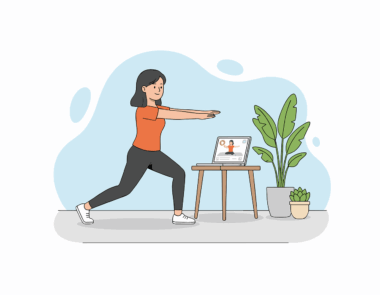
Creativity is essential in maintaining excitement around family fitness. Every so often, consider trying new activities or challenges to keep things lively. Dance parties in the living room, creating obstacle courses in the yard, or even family yoga sessions can all brighten up physical activity. When families approach fitness with playfulness, it becomes more engaging, making exercise something to look forward to rather than avoid. Additionally, using technology can further amplify family fitness enjoyment. Fitness apps designed for family workouts or interactive video games encourage participation while allowing for customization based on family preferences. Moreover, don’t shy away from outdoor adventures like rock climbing, kayaking, or zip-lining, which can excite the family while promoting physical health and learning opportunities. These novel experiences create a sense of belonging and adventure among family members. They become stories and memories to cherish, contributing to family dynamics while enhancing mental health through the thrill of shared experiences. Ultimately, the key to sustaining interest lies in embracing flexibility and enthusiasm towards fitness activities that not only benefit everyone physically but emotionally as well.
In conclusion, incorporating fitness into family routines is crucial for strengthening ties, fostering mental well-being, and ensuring overall health. As families engage in various activities, they establish emotional connections, promote teamwork and communication. These shared experiences create an atmosphere of support. This supportive environment helps individuals navigate daily life challenges, enhancing resilience. By being physically active together, families can combat stress and anxiety, reinforcing a sense of belonging and acceptance. As families build their fitness culture, they also foster healthy habits in children, preparing them for a lifetime of physical and mental well-being. It’s important to celebrate achievements together, no matter how small, as this reinforces commitment and determination. Always remember, fitness should be fun, and there’s no right or wrong approach to it. Whether it’s a simple walk after dinner, a family sports day, or adventurous outings, the key lies in staying active as a family. Ultimately, prioritize maintaining a positive and enjoyable fitness spirit. By understanding the importance of active lifestyles, families shift towards healthier habits, enriching their lives and promoting mental health well into the future.
Getting Started with Family Fitness
To get started with family fitness, it’s vital to set achievable goals that accommodate every member’s abilities. Perhaps designate specific days for group activities that mix fun, fitness, and learning. Make it a ritual to explore nearby parks, trails, or recreational centers for new adventures together. Don’t forget to involve everyone in planning fitness activities, allowing each member to express their preferences. Engaging in the decision-making process promotes ownership of their health journey. Utilize community resources such as local sports leagues or family fitness classes, which can provide structured opportunities and community bonding experiences. For younger children, incorporating games like scavenger hunts can encourage their natural energy while benefiting their physical fitness. Also, practice mindfulness and meditation as part of family routines; this nurtures emotional health alongside physical well-being. Lastly, regularly check in with family members to ensure everyone feels included and enjoys the experiences. Adapt as needed, and encourage open dialogue about how these activities make each member feel, ensuring fitness remains a positive experience. Building a family fitness culture takes time, but the rewards for mental health and family connections make it worthwhile.