
Yoga Retreats as a Stress Management Strategy
In the modern world, the escalating demands of daily life often lead to overwhelming stress. Yoga retreats provide an effective strategy for managing stress by promoting relaxation and mindfulness. These retreats immerse individuals in a tranquil setting, where the environment itself encourages serenity and peace. Participants engage in various yoga practices designed to alleviate anxiety. Through breathing exercises, meditation, and physical postures, stress can significantly diminish. Moreover, the communal aspect of retreats fosters emotional support among participants. Sharing experiences with like-minded individuals can deepen connections and promote healing. The dedicated time spent in retreat also allows for self-reflection, aiding individuals in learning about their stress triggers. Regular practice of yoga emerges as a powerful tool for stress management that individuals can carry into their daily lives. Consequently, yoga retreats serve as an opportunity to recharge physically and mentally. Whether in a picturesque mountain landscape or a serene beach setting, these retreats create the perfect backdrop for rejuvenation. The combination of environment, practice, and camaraderie facilitates a comprehensive approach to stress management that many find invaluable during turbulent times.
Yoga retreats cater to individuals of all skill levels, enabling everyone to benefit from their unique offerings. These retreats typically offer a range of programs tailored to different experience levels, ensuring inclusivity and accessibility. Beginners can explore foundational poses and breathing techniques, while advanced practitioners can refine their skills and delve deeper into yogic philosophies. Group classes foster a sense of community, encouraging participants to share their journeys through yoga and stress management. Daily classes are often supplemented with workshops focused on mindfulness, nutrition, and holistic well-being, allowing participants to create a holistic approach to stress management. The peaceful nature of these environments encourages participants to disconnect from their digital lives and reconnect with their bodies and minds. Such disconnection proves essential for reducing stress levels, allowing participants to rejuvenate fully. Participants often mention the clarity and calm they find during their retreat experience. Post-retreat, they also report lasting benefits, including improved emotional resilience and tools for managing stress. Overall, the holistic combination of practice, education, and community at yoga retreats makes them an effective strategy for stress relief.
The Benefits of Yoga Retreats
Numerous benefits arise from attending a yoga retreat focused on stress management. Firstly, participants typically experience enhanced physical health. Through regular practice, individuals notice greater flexibility, strength, and overall well-being. Secondly, aside from physical benefits, emotional health also improves. Yoga teaches participants how to navigate their emotions effectively, fostering emotional intelligence. This intelligence allows for better responses to stressful situations in everyday life. Thirdly, attendees often report improved mental clarity. The focus on mindfulness practices at retreats allows individuals to clear their minds of clutter, making decision-making processes more manageable. Additionally, as participants engage in heightened relaxation during their yoga routines, quality sleep improves significantly. Good sleep is a crucial component of managing stress, so this benefit cannot be overlooked. Finally, many participants forge lasting friendships during these retreats. These connections provide ongoing support and motivation, which is vital for maintaining one’s yoga practice. Therefore, attending a yoga retreat proves beneficial not just during the stay, but beyond. The overall blend of physical, emotional, and social benefits creates a powerful strategy for improved stress management.
Another significant aspect of yoga retreats is the incorporation of various holistic practices that complement yoga. Many retreats include components such as meditation, breathwork, and even healthy cooking classes. Meditation sessions help clarify the mind and induce a deeply relaxed state, which is essential for managing stress levels. Participants learn techniques to meditate effectively that they can replicate at home. Breathwork, or pranayama, focuses on controlling the breath, which leads to a calming effect on the nervous system. This practice has been proven to decrease anxiety and stress. Additionally, healthy cooking classes promote nutritional awareness, empowering participants to make better food choices that support mental and physical health. By integrating these practices into their routines, participants create a well-rounded approach to wellness. Nurturing the body through nutrition, the mind through meditation, and the spirit through community and shared experiences enhances the overall retreat experience. Ultimately, these additional practices, alongside the yoga sessions, foster a deeper sense of well-being and enhance the impact of the retreat. This comprehensive approach ensures that individuals leave the retreat equipped with tools to manage stress effectively.
Building Your Own Yoga Retreat Experience
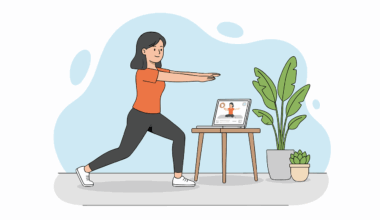
If you can’t attend a yoga retreat, consider building your own experience at home to reap similar benefits. Start by designating a specific time and space where you can practice yoga and engage in self-care activities. Creating a personal sanctuary filled with calming elements, such as candles or soothing music, can set the mood for relaxation. Incorporate daily yoga practices focused on stress management, such as restorative and gentle yoga. Regularly dedicating time to meditate and reflect will also enhance your routine. Set aside moments to journal about your feelings, fears, and thoughts, which promotes emotional processing. Another essential aspect is connecting with others; consider starting or joining a local yoga group for support. Each week, you can share experiences, challenges, and triumphs, fostering a sense of community. Additionally, research online workshops or classes that align with your interests. Online resources abound, allowing you to access expert guidance from the comfort of home. By combining these elements, you can create a meaningful yoga practice that effectively addresses stress and enhances your overall quality of life.
Ultimately, the decision to engage in yoga for stress management requires commitment and consistent practice. Outcomes emerge over time as individuals continue to refine their skills and deepen their understanding of yoga. The journey involves not only physical postures but also a profound exploration of mindfulness and emotional awareness. For lasting change, integrating yoga into daily life is crucial. Frequent practice enables individuals to develop resilience against stressors encountered in daily life. Many attendees of yoga retreats emphasize the importance of having a home practice following their retreat experience. Sustaining the positive changes achieved during a yoga retreat necessitates commitment outside the retreat environment. This commitment empowers them to confront life’s challenges with improved confidence and composure. As participants continue practicing, they discover new techniques for dealing with stress that resonate with their unique needs. Sharing these insights with friends and family can also foster a larger community focused on stress management through yoga. Moreover, maintaining these practices ensures that the benefits of yoga extend beyond the retreat experience, paving the way for sustained wellness and inner peace.
The Importance of Professional Guidance
Engaging with qualified professionals during a yoga retreat is vital for maximizing benefits. Certified yoga instructors possess extensive knowledge and experience, providing essential guidance throughout your practice. Their insights can significantly enhance the overall experience, ensuring safety and effectiveness during sessions. From correct alignment to individualized adjustments, professional input assists participants in achieving the most from each pose. Additionally, instructors often share valuable techniques for managing stress that may not be widely known. Participants benefit from their professional expertise, which can lead to deeper understanding and application of yogic principles. Moreover, workshops conducted by experts provide additional layers of learning and awareness. Participants often leave these workshops feeling inspired and equipped with tools to integrate into their lives. Furthermore, having instructors available for questions and guidance strengthens participants’ connection to yoga and wellness. The emotional support provided by instructors also contributes to the retreat’s overall beneficial atmosphere. This combination of professionalism and personal touch creates an environment conducive to growth and healing. Therefore, when seeking a yoga retreat, prioritize those led by qualified professionals to ensure the most enriching experience possible.
In conclusion, yoga retreats serve as valuable options for individuals seeking effective stress management strategies. These immersive experiences combine daily practice with a supportive community, focusing on holistic wellness. The benefits extend beyond physical postures, significantly impacting emotional and mental health. Attending yoga retreats allows individuals to embrace tranquility, empowering them to face life’s challenges with resilience. Even those unable to attend retreats can create home practices that foster similar effects. Moreover, the insights gained from experienced instructors and nurturing environments make a lasting impression. As a result, yoga emerges as a powerful tool for stress management, promoting sustainability in well-being. So whether participating in a retreat or developing personal routines at home, embrace the transformative power of yoga. Building a supportive network through local classes and online resources ensures access to motivation and encouragement. With greater awareness and practical applications, individuals can reclaim their well-being and reduce stress effectively. Ultimately, the journey unfolds through practice, self-exploration, and commitment to a stress-free life. Make a decision today to prioritize your wellness through yoga and enjoy the myriad benefits it brings to your overall quality of life.