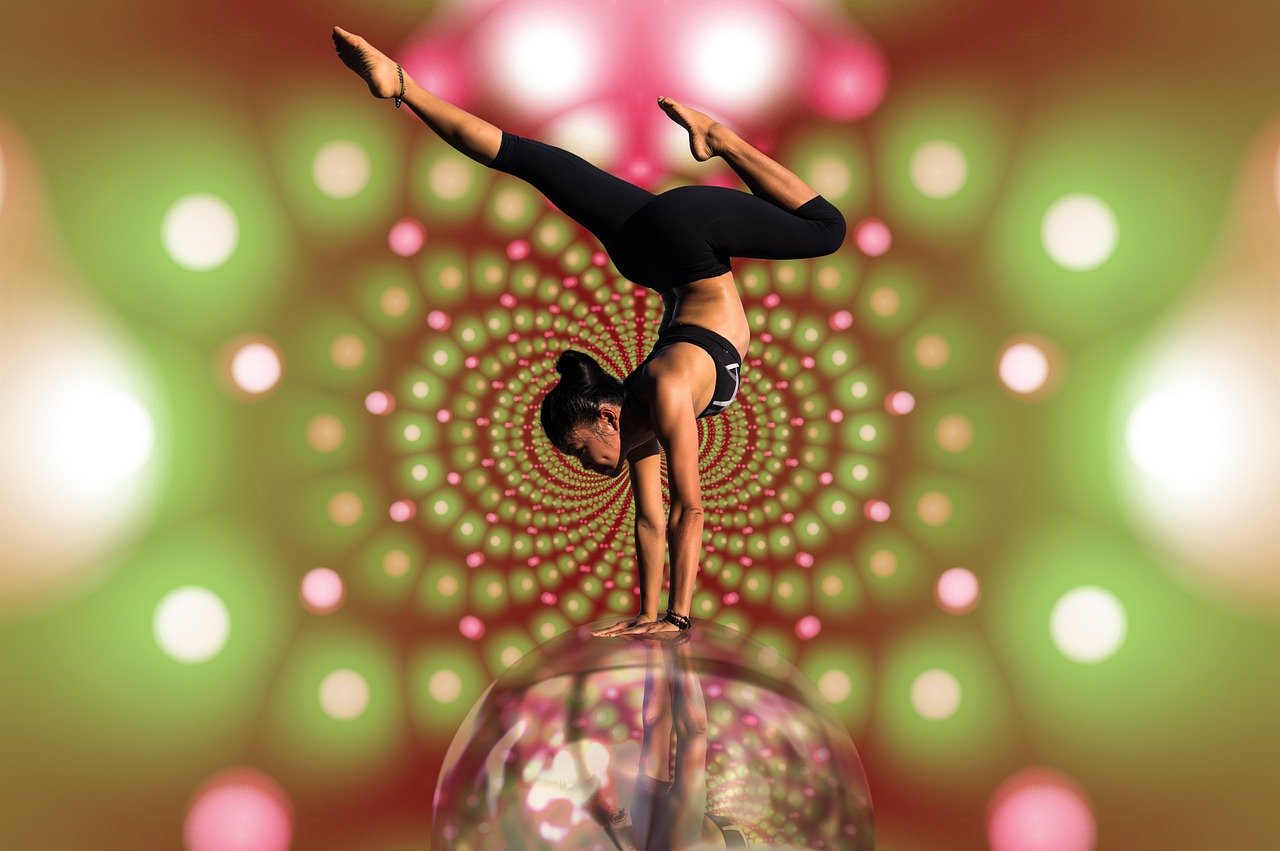

The Science Behind Dance and Enhanced Joint Movement
Dance is a vibrant form of expression that not only captivates audiences but also holds significant benefits for joint mobility. The movements involved in various dance styles enhance flexibility and range of motion, which are crucial for joint health. Regular dancing promotes synovial fluid circulation, lubricating joints and helping to distribute nutrients. This process mitigates stiffness and reduces the risk of injury during physical activities. Including a variety of dance techniques in your routine can target different muscle groups and joints. Styles such as ballet, jazz, and contemporary employ angles and positions that challenge normal movements. Over time, dancers can experience improved posture and alignment, often leading to better overall physical health. Dance also encourages the development of muscle strength, facilitating better control over movements during daily activities. Proper training and technique in dance foster balance and coordination, both vital for joint stability. Furthermore, the mental aspect of learning choreography enhances cognitive function, contributing to complete body awareness. Thus, dance serves both as an art form and a therapeutic regimen, promoting sustainable joint health while providing joy and creativity in motion.
Enhanced mobility is crucial for maintaining a healthy lifestyle, and dance offers a delightful pathway to achieving that goal. Engaging in dance encourages a holistic approach in which both body and mind actively participate. This engagement stimulates connective tissues, contributing to their durability and resilience. Stretching exercises and warm-ups associated with dance routines help elongate muscles, providing crucial flexibility. Moreover, dance encourages individuals to explore their physical capabilities. For instance, transitioning between styles allows dancers to develop adaptability in their movements. Flexibility training woven into dance routines assists in preventing muscle and joint injuries, reducing the likelihood of strains and sprains during active lifestyles. Dancing in groups also fosters social connections, which can lead to improved mental well-being. The combination of rhythm, music, and movement produces a pleasurable experience that motivates individuals to remain active. This engagement also enhances emotional expression, which can alleviate stress and anxiety. Consequently, dance becomes a remarkable exercise, combining fitness and emotional health, leading to a balanced mind-body connection. Teaching these aspects early on can establish a lifelong appreciation for movement, flexibility, and healthy joint management, reinforcing the benefits of regular dance practice.
The Biomechanics of Dance
Understanding the biomechanics of dance provides insights into how movement techniques enhance joint mobility. Each dance style incorporates specific biomechanical principles that facilitate optimal movement patterns and effective performance. Techniques such as pliés, tendus, and leaps are designed to harness and amplify the body’s natural mechanics. During dancing, weight distribution plays a significant role in managing how the joints bear loads through movement. Dancers learn to control their center of gravity, which aids in maintaining balance and stability. This awareness directly correlates to the ability of joints to function efficiently. For example, ballet incorporates postures that emphasize alignment to promote hip and knee integrity. Innovations in dance science show that, with proper technique, dancers can reduce the stress placed on their joints. Stance and foot positioning during various steps influence joint angles, impacting overall mobility and flexibility. Furthermore, dancers are often trained to warm up and stretch properly before performing, ensuring that muscles and joints prepare for movement demands. Ultimately, biomechanics illustrates the connection between dance practice and enhanced athletic performance, illustrating why careful study and application of these principles are paramount for joint health and mobility.
Dancing is not merely an art; it is also a science that captivates both enthusiasts and researchers alike. Analyzing the impact of dance on mobility sheds light on the relationship between choreography and physiological changes within the body. Various studies indicate that participation in dance can lead to gains in flexibility that extend far beyond the dance floor. Data shows a direct correlation between regular dance activities and increased joint range of motion. This relationship becomes particularly prominent in styles focusing on extensive physical movement, such as salsa or swing. The rhythmic nature of dance encourages fluidity and promotes dynamic stretching, enhancing muscle interactions and joint capabilities. Furthermore, incorporating resistance training elements in dance improves muscular strength and endurance. This added strength supports joint stability and functionality in various physical activities. Dance requires coordination from multiple muscle groups, which simultaneously engages and strengthens the supporting structures around joints. As dancers learn to pivot, twist, and leap, they train their bodies to adapt to diverse movements. This adaptability can be beneficial in injury prevention, reinforcing the importance of integrating dance as a multifaceted aspect of fitness and rehabilitation.
Physical and Mental Benefits
The physical benefits of dance extend well into mental realms, creating a dual effect conducive to overall health. Regular dance practice enhances physical fitness, leading to improvements in cardiovascular health, abdominal strength, and coordination. Engaging in such rhythms boosts serotonin levels, which can combat feelings of anxiety and depression. Dancing requires mental focus, which fosters cognitive functions, including memory and problem-solving skills. Learning routines prompts individuals to strategize movements while adjusting to rhythmic changes. This constant engagement sharpens mental acuity over time. Furthermore, recognizing personal limitations can motivate individuals to push beyond their comfort zones, exposing them to new challenges. During dance, social interactions occur, which helps develop emotional intelligence. Expressive movements allow individuals to release pent-up stress and emotionally connect with themselves and others. The display of creativity during dance contributes to higher self-esteem and confidence levels, instrumental in forming positive self-images. Dance communities promote camaraderie and support, further enhancing emotional well-being. Embracing dance can nurture resilience and coping skills that benefit individuals in various life situations, highlighting the multifaceted positive impact of this expressive art form on joint health and holistic wellness.
Incorporating dance into daily routines can serve as a fun exercise alternative while simultaneously enhancing joint mobility. Creative expression through motion is a positive outlet that encourages individuals to maintain active lifestyles. Many exercise programs overlook the importance of flexibility, but dance naturally addresses these aspects. This unique feature draws people to dance as a preferred physical activity, further motivating them to pursue it regularly. Dance classes provide structured environments that focus on progressive improvement, ensuring that participants are gently guided through learning. Through repetition, individuals experience gradual growth in mobility, which reinforces neural connections that aid coordination and control. Notably, dancers are usually acutely aware of their bodies’ movements and potential strains, promoting proactive habits regarding their health. Setting goals and tracking improvements in flexibility can contribute to long-term success in maintaining joint integrity. Consequently, the motivation derived from dance often transcends physical results, fostering emotional and psychological growth as well. Encouraging conversations about injuries, recovery strategies, and longevity ensure that dancers remain healthy throughout their endeavors. Thus, utilizing dance as a pivotal component of maintaining joint mobility highlights its profound effects and contributions toward lifestyle improvement.
The Future of Dance and Joint Health
The future of dance and joint health appears promising, driven by innovative research and newly evolving practices. As understanding of biomechanics deepens, dance specialists are developing tailored programs designed to enhance mobility while minimizing injury risks. These programs increasingly incorporate technology, utilizing motion capture and biofeedback for deeper assessments of movement patterns. Applying science to practice leads to more efficient coaching techniques that cater to individual needs. Moreover, educational institutions are integrating movement science into dance education, fostering awareness of physicality’s importance in dance training. Emerging collaborations among healthcare professionals and dance instructors aim to bridge knowledge gaps surrounding joint health. This includes crafting workshops, seminars, and rehabilitation protocols based on evidence-based practices. The growing interest in dance therapy emphasizes its role in rehabilitation for joint issues and enhanced mobility. Furthermore, as popular culture embraces various dance trends, it promotes participation among broader audiences, making the benefits accessible to all ages. Continuous research can unveil further intricacies of how dance supports healthy joint function, reinforcing its value in fitness and wellness. Ultimately, the dynamic landscape of dance science continues to challenge perceptions, fostering opportunities for improvement in mobility through dance across communities.
In conclusion, recognizing dance as a multifaceted approach to enhancing joint mobility offers exciting possibilities. Its physical, mental, and emotional benefits contribute to holistic well-being, proving to be a valuable practice for individuals. As more embrace dance, the movement toward preserving health becomes clearer and more impactful. This growing awareness presents an avenue to tackle ailments with creativity and expression. Dance embodies an art that speaks to individuals of all ages and backgrounds, and it inherently ties into our mobility. Advocating for the integration of dance in wellness programs and healthcare can create cherished experiences while fostering joint health. Engaging with dance can serve as an empowering journey that celebrates individual differences and embodies a shared connection through movement. As the science behind dance continues to unravel, its contributions to flexibility and mobility provide hope for future generations. Dance can offer pathways to comprehensive health, transforming lives, empowering individuals, and strengthening communities. In this light, dance emerges as a beautiful remedy for the heart, body, and soul, captivating the essence of what it means to move joyfully. Therefore, embracing dance for its physiological benefits is an essential step toward nurturing our most critical asset—our mobility.