
How to Use Fins and Paddles in Your Swimming Drills
Swimming drills are essential for triathletes looking to enhance their efficiency in the water. Utilizing fins and paddles during drills can significantly improve your technique and strength. Fins help you to increase propulsion, allowing you to focus on your kick technique without devoting as much mental energy to maintaining floatation. Paddles, on the other hand, emphasize upper body strength and better hand entry. These tools compliment swimming drills by isolating specific aspects of your stroke for enhanced focus. It is crucial, however, to use them appropriately to avoid developing bad habits or muscle imbalances. For beginners, it’s recommended to start slowly with these tools and gradually increase usage and intensity. Both fins and paddles are available in various sizes and shapes, ensuring athletes of all levels can find a suitable pair. It’s essential to choose the right type and size to match your training goals. Familiarize yourself with what each tool can offer, ensuring maximum benefit during your swim training sessions. Over time, proper use will lead to improved technique and speed in open water performance, making it easier to transition smoothly into the race.
The Benefits of Using Fins
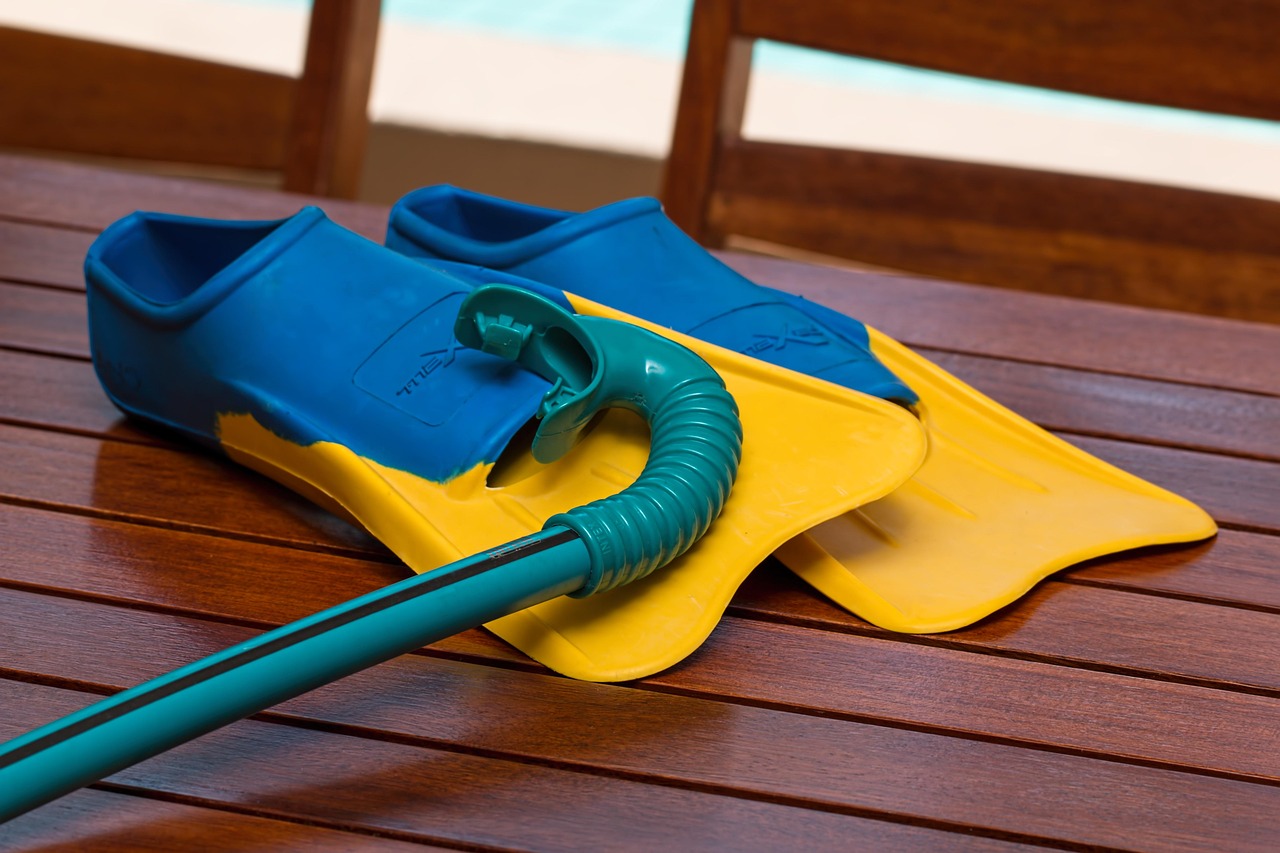
Fins serve distinct purposes when used in swimming drills, notably improving the kick technique. They provide greater propulsion, enabling swimmers to focus more on their stroke technique rather than struggling to stay afloat. Additionally, fins help build strength in the legs, which is vital for effective swimming. By allowing swimmers to experience a faster pace, they can work on their breathing patterns and arm movements without fatigue, making drills more productive. As swimmers become accustomed to the buoyancy provided by fins, they can explore various kick patterns and styles. This exploration can lead to discovering which techniques work best for their unique swimming style. Moreover, fins promote better body alignment and streamline positioning in the water, vital for reducing drag. When choosing fins, it’s essential to consider the fit and flexibility, as this can greatly influence comfort and performance. A snug fit can also prevent injuries associated with excessive movement. To maximize the benefits, integrate fins into your typical drills for short bursts. This method will help maintain muscle balance and promote fluid swimming, ultimately translating into better performance on race day. Truly, when used correctly, fins can be transformative in your training.
Paddles and Their Advantages
Paddles are another crucial tool for swimmers aiming to enhance their upper body strength and stroke mechanics. When used appropriately, paddles can facilitate better awareness of hand positioning during the stroke phase. They magnify the feel of the water, allowing for more focused practice on technique. By increasing the resistance faced while swimming, paddles help in muscle strengthening, particularly for the shoulders, arms, and chest. It’s recommended for swimmers to start with smaller paddles which provide lesser resistance, thereby reducing the risk of shoulder injuries. As one becomes accustomed to paddles, they can gradually shift to larger sizes to increase the intensity of their workouts. Paddles also encourage proper hand entry and catch phase, as swimmers must be conscious of their movements to prevent the paddles from slipping. This way, it fosters the development of a more effective technique. Ultimately, the goal is to instill proper habits that will improve overall efficiency in the water. Consistent use of paddles in your drills could lead to noticeable improvements in stroke power and speed across training and competition. Ensure that you balance your paddle usage with regular swimming for optimal approach.
Integrating fins and paddles into your routine requires a systematic approach to reap the utmost benefits. To begin, establish a structured training schedule, incorporating specific days for drills using these tools. Typically, allocate sessions focusing on either fins or paddles, ensuring you do not overtrain specific muscle groups. For example, you might dedicate one day to improving your kick with fins, followed by a session on developing arm strength with paddles. Additionally, maintain a detailed training log to track improvements and modifications needed in your future sessions. This record can include distance covered, the type of drills performed, and personal observations on technique. Regularly reflecting on your progress will enhance your technique and performance. Always remember to incorporate proper warm-ups to prevent injuries before using fins or paddles. Such warm-ups prepare your muscles for the increase in intensity these tools bring. Lastly, don’t hesitate to consult with a coach or a training partner to receive feedback. Their insights can help refine your technique further than you may achieve alone, ultimately leading to stronger and faster swimming outcomes. Keeping the process organized ensures you remain motivated and focused throughout your training journey.
Drill Examples with Fins and Paddles
When employing fins in drills, it’s advantageous to focus on specific exercises that optimize their benefits. One effective drill is the ‘flutter kick’ drill, where you propel yourself forward solely with the legs. Ensure a straight body position and maintain a consistent tempo. Another beneficial fin drill is the ‘vertical kicking’ method, performed while holding onto a pool wall. This drill enhances overall leg strength. By utilizing paddles, you can practice the ‘catch-up’ drill to improve your stroke rhythm. This method involves extending one arm fully before beginning the stroke of the other arm. It’s a fantastic way to instill good timing and balance while using paddles. The ‘one-arm freestyle’ drill is another essential exercise to work on with paddles. This drill emphasizes proper hand entry and shoulder roll mechanics while doing this style with just one arm. Furthermore, consider incorporating a buoy into these drills whenever possible, as it helps enhance body position and reduces drag in the water. Combining various drills maximizes the effectiveness of fins and paddles, allowing you to target different aspects of your swimming ability efficiently.
Safety considerations are paramount when using fins and paddles, particularly when stepping into a new stage of your training. First, ensure that both fins and paddles fit appropriately and are worn correctly. Improperly fitted gear could lead to injuries like cramps or overuse strains. Moreover, it’s essential to be mindful of fatigue. If using fins or paddles leads to excessive muscle soreness, rethink the frequency and duration of your drills. Give your body enough time to adjust and recover. Additionally, be aware of your surroundings while training, especially in open water. Fins can facilitate faster propulsion; hence watch for waves, currents, or other swimmers that may disrupt your focus. Always train with a buddy or in supervision, particularly in unfamiliar locations. Monitoring your form is also crucial. If you notice changes in your stroke technique or discomfort during drills, take a break to avoid risking an injury. Maintain communication with your training partner to provide feedback on form, as external perspectives can help correct disparities. By prioritizing safety, you will enhance your overall swimming experience and performance, ensuring longevity in your training routine.
Monitoring Your Progress
Tracking your improvements while using fins and paddles in drills plays a crucial role in enhancing your swimming proficiency. Begin by establishing clear performance metrics to gauge your progress, such as lap times, distance covered, and pacing strength. It’s recommended to regularly time yourself in various drills to observe improvements in speed and endurance over time. Utilizing a swim watch or mobile app dedicated to tracking swim workouts can simplify this process. You’ll also want to monitor how you feel during sessions, assessing fatigue levels and overall comfort when using fins or paddles. Engaging in self-reflection after each training session allows you to adjust your routines effectively based on your experiences. Documenting specifics about the drills performed, the equipment used, and any observations will support identifying patterns or areas needing more focus. This data will help tailor your training around your strengths and weaknesses. Also, annual assessments could include swimming time trials and performance evaluations in races to further gauge progress. By systematically monitoring performance, you’ll empower yourself to stay motivated and committed to continuous improvement on your triathlon journey.