
Tips on Maintaining Buoyancy in Underwater Swimming
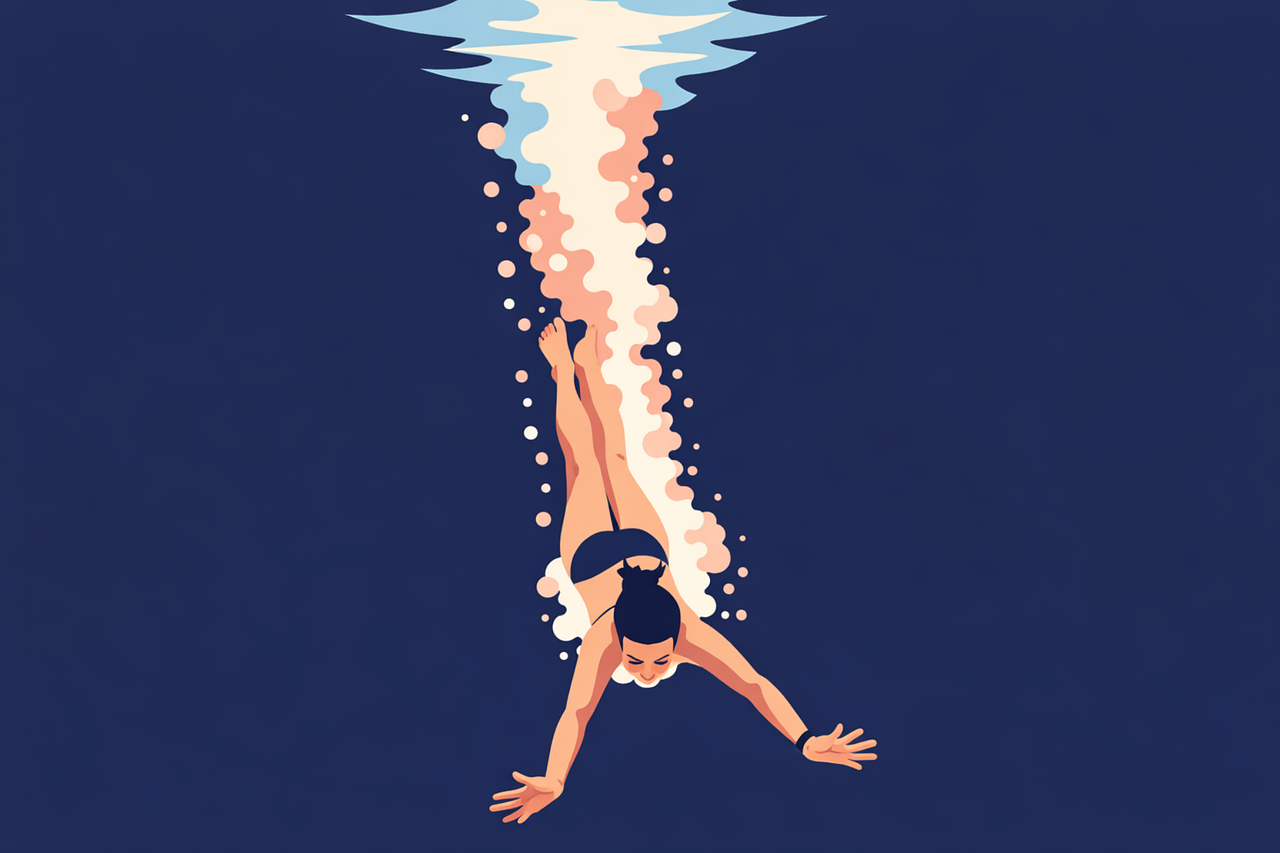
Maintaining buoyancy while underwater swimming is essential for performance and enjoyment. Learning effective techniques can greatly enhance your experience and improve your efficiency. Firstly, consider your body position. To reduce drag, keep your body straight and aligned. Your head should be in line with your spine, avoiding excessive tilting upward or downward. A streamlined position encourages smoother movement through water. Next, focus on proper breathing techniques. Exhaling before diving down helps release air from your lungs, aiding in controlled descent. Take deep breaths when near the surface to maximize buoyancy when swimming up. Additionally, wearing the right gear can make a significant difference. A wetsuit not only provides thermal protection but also enhances flotation due to its buoyant material. Another critical factor is your swimming technique. Practicing different strokes will help you understand how they affect your buoyancy and overall control. Implementing techniques such as the dolphin kick in underwater swimming can also optimize propulsion and minimize effort, thereby maintaining buoyancy effectively. Ultimately, a combination of technique, gear, and practice can help you master buoyancy in underwater swimming, leading to a more enjoyable aquatic experience.
One important aspect of buoyancy is mastering the art of weight distribution. The distribution of your body’s weight can affect your ability to float and swim efficiently. To achieve optimal buoyancy, balance your weight across your body. This means keeping your arms and legs extended while swimming. Engaging your core muscles is equally vital for stabilizing your position in the water. A strong core helps maintain your body’s alignment, which is crucial for efficient swimming. Lastly, paying attention to your legs can significantly enhance buoyancy. By keeping your legs slightly bent at the knees, you create a better streamlined shape, thus reducing drag. Additionally, consider practicing ‘float to the surface’ drills. This exercise allows you to familiarize yourself with how your body behaves underwater, improving your comfort level. Over time, this practice increases your awareness of your buoyancy and spatial orientation. Engaging in frequent underwater swimming sessions and incorporating stubborn buoyancy drills can speed up your progress. Not only will these techniques be beneficial for maintaining buoyancy, but they can also optimize your overall swimming performance. Implementing new strategies can lead to more efficient swimming and enhanced confidence in the water.
Understanding Water Dynamics
A crucial part of mastering buoyancy involves understanding water dynamics. Water has unique properties that affect how we swim. One of these properties is density. The denser an object, the lower its buoyancy. To navigate effectively underwater, it’s essential to be aware of the principles of buoyancy and how they apply specifically to your body. As you swim, your body’s weight and the weight of any gear you wear will influence how much of your body is submerged. Knowing this can help you make necessary adjustments to your swim technique and body position. It’s also necessary to be mindful of buoyancy changes that occur as you dive deeper into the water. Increased pressure at greater depths can affect your buoyancy in subtle ways. Furthermore, understanding how your body interacts with water currents can further refine your technique. Whether swimming in a pool or an open water setting, factors like currents and waves can affect how you maintain your position. Developing your awareness of these dynamics can significantly improve your buoyancy control and overall swimming experience in aquatic environments, allowing for effortless movement and exploration.
Additionally, visualization techniques can greatly assist in maintaining buoyancy. Before entering the water, mentally rehearsing your swimming strokes can prepare your mind for what to expect. Visualization can help solidify the mechanics of buoyancy and the motions of swimming, enhancing muscle memory and overall performance. This is especially useful for nervous swimmers or those who are new to underwater navigation. Another useful technique is to engage in focused breathing exercises outside the pool. Breathing efficiently directly correlates with buoyancy; the better your lung capacity and breathing technique, the more control you will have. Practicing diaphragmatic breathing can enhance your overall swimming efficiency by increasing your buoyancy. As you become more comfortable with your underwater experience, consider incorporating fins into your training regimen. Fins can enhance your propulsion while making buoyancy easier to maintain. They allow for a more natural swimming position and can help perform better kicks, ensuring you conserve energy while moving efficiently. Combining visualization, breathing techniques, and incorporating gear like fins provides a holistic approach to mastering buoyancy in underwater swimming, ultimately creating a fantastic swimming experience.
The Role of Technique
Improving your swimming technique is central to buoyancy and overall performance. Poor technique can lead to inefficient movements that ultimately expend more energy. Conversely, refined techniques can improve buoyancy and allow for more effortless movement. One effective practice to enhance your technique includes practicing drills that emphasize your kick and pull. These drills help reinforce efficient movements, allowing you to better control your buoyancy. Pay close attention to your arm movements as they contribute to your overall balance in the water. A good practice is to rotate your body with each stroke, allowing for a streamlined position. Additionally, consider adopting a relaxed face-down position. Keeping your head low can promote better alignment and reduce drag. Remember that small changes in your swimming technique can lead to significant improvements in buoyancy. Another key element is pacing. Learning to swim at a steady and comfortable pace reduces strain and fatigue, allowing you to maintain buoyancy more naturally. By focusing on proper technique, you will enjoy an improved aquatic experience and find it easier to move through the water with less effort. Therefore, ongoing practice and refinement of your technique are paramount in mastering buoyancy while underwater.
Regularly evaluating your swimming performance will facilitate improvement in buoyancy techniques. One way to do this is through video analysis. Filming yourself while swimming enables you to observe your strokes and identify areas of potential enhancement. Reviewing these recordings gives you opportunities to assess your posture, arm movements, and overall body alignment. Furthermore, working with a coach or experienced swimmer can provide valuable feedback on your form. They may identify aspects you might overlook, ensuring continuous improvement in your swimming skills. Another excellent method is to participate in underwater swimming clinics or workshops. Such environments foster skill development through specialized drills focused on buoyancy. These clinics often provide specific insights into buoyancy control, giving you hands-on experience with expert guidance. Additionally, consider swimming with training partners who can push you to improve and help you maintain a steady rhythm while working on your buoyancy techniques. The camaraderie of training with others can enhance motivation and provide a supportive environment. As you continue evaluating and refining your performance, you’ll find that your buoyancy techniques will become more instinctual, ultimately leading to a more enjoyable underwater swimming experience.
Conclusion
In conclusion, mastering the tips for buoyancy in underwater swimming is a rewarding journey that combines practice, awareness, and technique. By refining your body position, understanding water dynamics, and enhancing your swimming technique, you will progress toward improved buoyancy. Remember that regular practice and continuous self-evaluation are key components of this process. Additionally, incorporating visualization techniques and breathing exercises can aid in developing your confidence in the water. Lastly, engage with a supportive community of fellow swimmers or instructors to boost your morale and receive valuable insights. Commit to regular buoyancy-focused exercises, whether through specific drills, swimming with supportive gear, or participating in workshops. Adapt your approaches as you become familiar with your strengths and weaknesses in the water. Ultimately, the journey of staying buoyant underwater is an empowering experience that not only improves performance but also fosters a deeper connection with aquatic environments. So, take a leap into the water and enjoy the adventure of mastering buoyancy for a fulfilling underwater experience.
By embracing these strategies, techniques, and an understanding of buoyancy, swimmers can profoundly enhance their underwater experiences. Successful swimming ultimately stems from combining enjoyment and efficiency, resulting in a fantastic aquatic adventure.