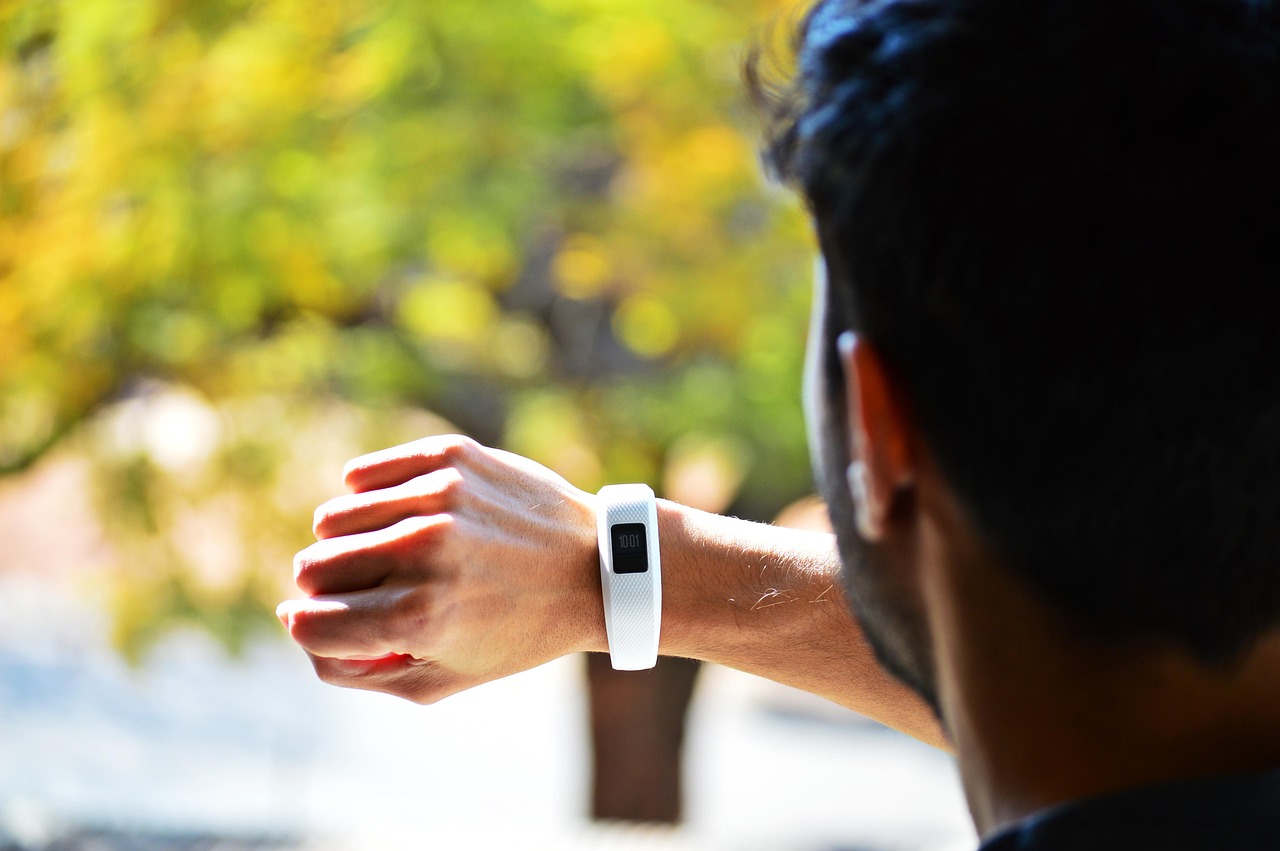

Analyzing Workout Intensity with Tracking Devices
Tracking devices have transformed how individuals interpret workout intensity, providing insights that were previously inaccessible. These devices gather extensive data on heart rates, calories burned, and overall performance metrics, allowing users to fine-tune their training regimens. By leveraging this technology, athletes and fitness enthusiasts can set personal benchmarks, track progress, and make informed decisions based on concrete evidence rather than intuition alone. Analyzing workout intensity through these devices fosters a deeper understanding of physical capabilities, promoting safety during exercise. Users can avoid overexertion while focusing on enhancing their fitness levels efficiently. The integration of data analytics enables users to identify trends and patterns in their performance over time. This level of detailed monitoring leads to informed goal-setting, ensuring that practitioners can achieve their fitness objectives safely. Moreover, many tracking devices today offer real-time alerts. These notifications inform users of their current intensity levels, prompting adjustments as needed. Whether aiming for fat loss or increased endurance, keeping track of workout intensity fosters a culture of continuous improvement. Consequently, adopting tracking technology in workout routines is essential for anyone serious about attaining their fitness aspirations.
The advancement in tracking devices has fostered a more effective approach to physical training.
Furthermore, these gadgets often come equipped with numerous features, enhancing the user experience significantly. Some prominently display heart rate data, while others feature GPS capabilities for more accurate tracking of outdoor activities. This versatility ensures that users can engage in various training sessions, from running to cycling, all while gaining valuable insights tailored to their exercise style. When athletes can monitor their data extensively, they can adjust their pacing accordingly, particularly vital for competitive runners and cyclists who must manage their energy output strategically. Knowing how hard one is working enables athletes and casual exercisers alike to make real-time adjustments, ensuring they remain within optimal training zones. Implementing interval training becomes smoother, as tracking devices provide feedback on when to transition between different intensity levels. Additionally, some devices synthesize data into easily understandable visuals, such as graphs and charts. These analytical tools empower users to reflect on their progress over time, reinforcing their commitment to long-term fitness goals. Integrating these modern devices into regular fitness routines can significantly elevate workout experiences and outcomes.
Enhancing Workout Effectiveness
Assessing workout intensity plays a crucial role in enhancing overall effectiveness. Personalized feedback acquired through tracking devices facilitates tailored workouts, allowing individuals to target specific fitness areas such as strength, endurance, or flexibility. With data-driven insights, users can develop more evidence-based training plans that align with their unique goals. Understanding one’s exertion levels ensures time spent exercising is maximized for beneficial results, proving critical for those adhering to strict schedules. Moreover, many modern devices integrate with mobile applications, allowing for customized workout plans and suggestions based on user feedback. Tracking apps can provide reminders to adhere to training programs, thus enhancing accountability and motivation. Sharing progress with friends or through social networks inspires users, creating challenges that promote friendly competition. This interaction encourages users to push their limits and gain valuable insights from their peers. Furthermore, the social aspect of fitness technology fosters a community atmosphere even among those exercising alone. Building relationships while pursuing shared goals keeps motivation high. Ultimately, utilizing technology to enhance workout effectiveness transforms conventional workout routines into dynamic fitness journeys filled with motivation, accountability, and continuous improvement.
One noteworthy aspect of tracking devices is their capability to offer trend analysis over time. By accumulating vast datasets from workouts, these devices help users visualize their progress and establish long-term achievements. They identify what specific workouts yield optimal results and which require alteration, making it easier to refine personal fitness strategies incrementally. This iterative process is fundamental to continuous improvement, emphasizing the importance of adapting routines based on past performance. Moreover, tracking devices enable users to connect their fitness journey with health metrics effectively. For instance, correlating heart rate variability with workout intensity can shed light on how the body responds to various exercise modalities. This awareness is instrumental for athletes striving to peak for competitions. By measuring consistent factors such as recovery time between workouts, users can develop better pacing strategies to maximize outcomes. Understanding the relationship between workout intensity and recovery ultimately paves the way for smarter training practices. Additionally, tracking devices can support mental wellbeing by recognizing how stress levels impact performance. Through all these metrics, users ultimately grasp a holistic view of their health and fitness.
Prioritizing Safety During Workouts
Safety is another pivotal aspect enhanced through the adoption of workout tracking devices. With live data being constantly provided, users can gauge their physical responses in real-time. This feature is especially helpful for those who may be new to exercise or manage certain health conditions. For instance, tracking heart rate can prevent users from entering dangerous zones that could lead to injury or health issues. Devices often include customizable alerts for heart rate thresholds, ensuring individuals remain in a safe range throughout their workouts. Meanwhile, tracking progress allows users to gradually increase intensity levels without overwhelming themselves. As a result, individuals can build stamina and strength systematically, reducing the risk of burnout or injury. Users can engage in more structured warm-ups, cool-downs, and interval sessions by utilizing these insights. Furthermore, many devices synchronize data with health applications, providing a comprehensive view of one’s overall wellness. This integration cultivates greater awareness of how physical exertion affects daily life outside workouts, allowing for better management of both exercise and rest. Prioritizing safety harnesses the true potential of workouts, transforming them into effective avenues for sustainable health improvements.
The variety in tracking features available opens doors to tailored experiences, matching individual preferences and objectives seamlessly.
This range is essential for users who want to achieve various goals, from weight loss to enhancing endurance. Personalized training is now achievable with smart devices that adapt to users’ habits and needs, creating suitable programs. This adaptability fosters increased commitment, often resulting in better adherence to fitness regimes. Adaptation features mean users can set new goals to crush, ensuring their fitness journeys remain stimulating and challenging. Continual tracking also allows for experimenting with new fitness modalities, encouraging participants to expand their routines creatively. Engaging in diverse workouts prevents monotony, keeping users excited about exercise. Additionally, the rich data collected can unearth previously unnoticed trends; someone may discover they perform better at certain times of the day or respond positively to particular workout styles. By unlocking this information, tracking devices help users embrace variety without sacrificing effectiveness. This commitment toward adapting workouts encourages a proactive mindset, leading to more sustainable fitness habits over time while continually improving strength, endurance, and well-being.
Conclusion: Embracing Fitness Technology
In conclusion, the integration of tracking devices in workout routines offers transformative possibilities for tracking and monitoring progress. By harnessing data analytics, users can rigorously assess workout intensity and make informed adjustments tailored to their personal needs. This technological embrace not only elevates individual performance but promotes a culture of continuous improvement essential for long-term success. Tracking devices present themselves as not just tools for monitoring; they are partners in every fitness journey. Through real-time insights, trend analysis, and safety features, users can cultivate self-awareness regarding both exercise habits and overall health. Moreover, the community aspect fosters an environment where motivation flourishes, inspiring users to push beyond their limits. Continuous adaptation and personalization lead to enhanced efficacy in training, ensuring users no longer view fitness as a stagnant task but rather an evolving pursuit. As technology advances and becomes increasingly integrated into everyday life, one thing remains clear: adopting fitness technology is crucial for maximizing outcomes in today’s competitive landscape. By embracing these advancements, individuals can unlock their full potential while enjoying the journey of achieving their fitness goals.
Tracking and monitoring progress elucidates the path of every fitness enthusiast, making complex data approachable.