
Low-Impact Aerobic Exercises for Older Adults with Disabilities
As older adults with disabilities embrace their unique fitness needs, low-impact aerobic exercises stand out as a viable option to enhance their overall health and well-being. These exercises focus on building stamina, improving cardiovascular health, and fostering emotional wellness without compromising physical safety. Importantly, engaging in low-impact activities helps reduce the risk of injury while promoting mobility and independence. Some enjoyable low-impact aerobic exercises include swimming, which provides buoyancy and reduces stress on joints and muscles. Furthermore, aquatic exercises can assist in improving muscle strength and flexibility. Walking is another accessible option widely recommended for seniors. Incorporating short walks into daily schedules can significantly raise heart rates while allowing individuals to enjoy their surroundings. Additionally, dancing promotes social engagement and coordination, hence enhancing both mental and physical health. Using resistance bands during workouts can elevate the intensity of exercises while being gentle on the body. With appropriate modifications, seniors can reap substantial benefits without severe strain. Ultimately, these exercises foster control over one’s fitness journey and cultivate a profound sense of accomplishment and empowerment.
The Importance of Warm-Up and Cool-Down
Engaging in low-impact aerobic exercises requires special attention to warm-up and cool-down routines. Proper warm-up activities enhance blood flow to muscles, making them more pliable and ready for exercise. This essential step prevents injuries and prepares older adults with disabilities to exercise effectively. A warm-up should include gentle movements such as arm and leg swings, neck rotations, and light stretching. Ideally, such routines should last around five to ten minutes, focusing on major muscle groups. Following exercise, cooling down allows the body to return to its resting state gradually. This process aids in minimizing muscle soreness and promotes relaxation. Cool-down activities might involve slower movements like walking or easy stretches for targeted muscle groups. This balance will ensure that the body can recover effectively while maintaining flexibility and mobility. Individuals should always listen to their bodies, adjusting the intensity of their warm-up and cool-down phases as necessary. Providing these essential steps ensures a more secure journey through low-impact aerobic exercises, allowing seniors to recognize their capabilities and become resilient in the face of challenges presented by disabilities.
Among the variety of low-impact aerobic exercises available, chair aerobics has gained considerable attention. This form of exercise allows older adults with disabilities to stay active while seated, offering flexibility and safety. Chair aerobics involves movements performed while sitting, enabling individuals to engage in cardiovascular workouts without the risks associated with standing or falling. A typical chair aerobics session might include marching in place, seated leg lifts, and arm circles. Such activities maintain joint stability while providing effective cardiovascular benefits. As participants progress, these routines can be modified to increase movement intensity, maintaining engagement and motivation. In addition to physical benefits, chair aerobics encourages social connections among older adults. Many seniors find joy in group chair aerobics classes, which foster camaraderie and mutual support. This communal aspect plays a substantial role in mental health and motivation, encouraging seniors to continue engaging with physical activity as they improve their fitness levels. Instructors should take the time to adapt exercises according to individual abilities, ensuring that every participant feels safe and empowered to challenge themselves at their own pace.
Another excellent low-impact aerobic exercise option is cycling, particularly the use of stationary bikes. Cycling provides an opportunity for seniors with disabilities to engage in cardiovascular activity without exacerbating joint pain or discomfort. Stationary bikes come in various designs, allowing for personalized adjustments to cater to each individual’s unique requirements. For instance, recumbent bikes provide added back support and enable seniors to maintain a comfortable seated position, making cycling even more accessible. The beauty of stationary cycling lies in its versatility; users can easily adjust the bike’s resistance settings based on their fitness level. Starting with minimal resistance can help individuals build confidence and ensure they enjoy their workouts. Additionally, incorporating music or listening to audiobooks can enhance the cycling experience, making the activity more entertaining. These auditory distractions allow seniors to focus on enjoying the workout instead of concentrating on fatigue or discomfort. To maximize benefits, seniors should aim for at least 20-30 minutes of cycling at a moderate pace, increasing duration gradually as their fitness improves. Above all, this enjoyable low-impact alternative reinforces a consistent exercise routine.
Walking Programs and Their Benefits
Walking is one of the most practiced and accessible forms of low-impact aerobic exercise for older adults with disabilities. Its simplicity allows seniors to incorporate walking into their daily routines, promoting consistent engagement in physical activity while enjoying diverse environments. Designing walking programs tailored to individual abilities is essential in maximizing effectiveness. Those who wish to start might consider short walks around their neighborhoods or local parks. It’s crucial to begin with attainable goals to foster motivation, allowing seniors to gradually increase both distance and walking duration over time. Walking not only improves cardiovascular health but also enhances mental well-being. Engaging in outdoor walking exposes individuals to nature, providing invaluable opportunities for connection with the environment and reducing stress. Group walk programs can further foster socialization, encouraging seniors to meet others and share experiences, ultimately reducing feelings of isolation. Walking can also stimulate cognitive function, enhancing both mood and memory. Therefore, seniors should incorporate this simple, enjoyable activity into their lifestyles, leading to increased wellness and higher quality of life. By making modifications according to personal capabilities, walking can serve as an effective lifelong exercise.
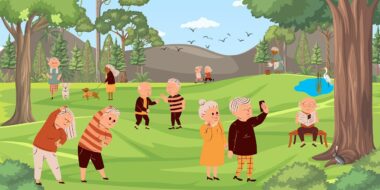
Outdoor activities can significantly contribute to an enriching experience for seniors engaging in low-impact aerobic exercises. Activities such as tai chi and gentle yoga not only offer low-impact movement but also focus on improving flexibility, balance, and mindfulness. Tai chi, often known as “moving meditation,” combines slow, controlled movements with deep breathing, promoting relaxation and stress relief. Practicing tai chi can enhance body awareness while encouraging seniors to develop strength and stability. On the other hand, gentle yoga incorporates a series of seated or standing poses tailored to individuals’ abilities, along with breathing techniques designed to calm the mind. Both activities cultivate a sense of community through group classes, fostering emotional bonds between participants. Engaging in these outdoor social activities encourages seniors to explore their surroundings while building connections with nature and other individuals. Beyond physical benefits, these exercises cultivate mental resilience, enabling seniors to face challenges posed by their disabilities collaboratively. By actively participating in outdoor options, seniors can break the monotony of indoor workouts, leading to increased motivation and joy. Overall, integrating these activities enhances the longevity and overall health of every participant.
Lastly, a vital component of any low-impact aerobic exercise regimen is hydration and nutrition. Older adults are particularly susceptible to dehydration, which can impact exercise performance and overall health. Encouraging seniors to consume sufficient water before, during, and after exercise is crucial. Additionally, discussing nutrition can empower older individuals to make informed decisions about their dietary needs. Consuming nutrient-rich foods such as fruits, vegetables, whole grains, and lean protein contributes to overall health and physical performance. A well-balanced diet can energize individuals, ensuring they have the stamina necessary to engage in aerobic activities consistently. Seniors should learn to listen to their bodies and adjust their food and water intake as needed, especially on active days. Education about nutrition and hydration provides tools for seniors to build healthier habits and increase their quality of life. By understanding the relationship between nutrition, hydration, and exercise, seniors can optimize their low-impact aerobic workout experiences. This holistic approach creates a sustainable framework for pursuing a healthier, more active lifestyle, ultimately promoting independence and longevity for older adults with disabilities.
Conclusion
In conclusion, low-impact aerobic exercises play a crucial role in the health and well-being of older adults with disabilities. Emphasizing enjoyable activities such as walking, cycling, and chair aerobics can foster fitness while maintaining safety. Incorporating warm-up and cool-down routines encourages injury prevention while enhancing overall performance. By often varying activities to include tai chi and gentle yoga, seniors can experience numerous benefits beyond just physical enhancement. Social engagement through group classes creates valuable connections, ultimately leading to better emotional health. Nutrition and hydration also complement exercise routines, ensuring seniors receive optimal support to maintain their active lifestyles. When older adults embrace the right mindset and make tailored fitness choices, they can experience greater freedom and empowerment, overcoming obstacles that arise from disability. Continually adapting and modifying exercises based on individual capabilities is paramount in the journey towards better health. By fostering a supportive environment and encouraging accountability, fitness providers, family members, and communities can play a pivotal role in empowering older adults with disabilities to lead fulfilling lives. Ultimately, prioritizing low-impact aerobic exercises helps usher in a new era of wellness, resilience, and joy for these deserving individuals.