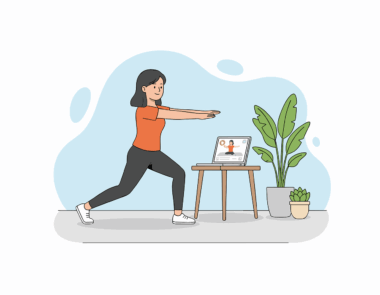

Creating a Balanced Schedule for Fitness, Work, and Rest
Balancing fitness, work, and rest is crucial for overall well-being and productivity. To achieve this balance, effective time management techniques must be implemented. Begin by assessing your current schedule and identifying areas for improvement. Start by listing your regular activities and obligations. Categorize them into three main areas: fitness, work, and rest. This will provide clarity on how much time is allocated to each area. Prioritize your commitments to reflect your personal goals. An effective schedule allows for consistent workouts, productive work hours, and adequate rest. You can use digital tools like planners or apps for a structured approach. Allocate specific time blocks for each activity while being flexible enough to adjust when necessary. Remember that a well-balanced schedule must be realistic, allowing for life’s unpredictability. Incorporate short breaks throughout your work hours to sustain focus and energy. Additionally, choose fitness activities that you enjoy to stay motivated. Scheduling a specific workout time reduces chances of skipping sessions. This structured approach supports maintaining a healthy lifestyle in all aspects of life.
The next crucial step is ensuring that your schedule is not only balanced but also sustainable. To make your schedule work long-term, consider setting achievable goals in each category of fitness, work, and rest. For example, if your fitness goal is to run for 30 minutes every other day, write it down. This not only provides a clear objective but also holds you accountable. Conduct periodic reviews of your schedule to ensure it continues to meet your needs. If you find that a certain technique or routine is no longer effective, be willing to pivot and adjust your strategy. It’s essential to remain flexible within your boundaries. Additionally, incorporate rest days and recovery periods into your fitness regime. This practice can prevent burnout and reduce the risk of injury. Rest is as important as active days for achieving fitness goals. Also, don’t forget to prioritize sleep as part of your rest period; quality sleep significantly impacts productivity during work hours. Ultimately, becoming adaptable and recognizing that changes are normal will help you maintain a balanced schedule.
Integrating Technology for Time Management
Utilizing technology effectively can enhance your time management skills. There is a multitude of tools and apps designed to help in planning and tracking activities. For instance, project management software simplifies workload tracking, helping to set priorities efficiently. Consider using calendar apps that send reminders and notifications for fitness activities as well as work deadlines. Setting alerts helps in maintaining discipline while yoga or jogging in the park. Time management apps can track your productivity, showing how much time you spend on each task. By identifying where you lose time, you can redirect efforts into meaningful activities. Additionally, employ task management tools to sort and categorize tasks by urgency or importance. This clarity enables you to focus on essential tasks first, providing a sense of achievement early in the day. Utilize sharing features on collaborative tools to help colleagues stay informed about your availability during fitness periods. Consistently using these tools can develop a sense of routine that equates to success. As technology evolves, staying updated with the latest time management trends can open doors to better integration into your daily life.
In conjunction with technology, it’s important to adopt mental strategies that support your time management efforts. One such strategy is the Pomodoro Technique, which promotes focused work periods alternating with short breaks. This method can enhance productivity and also prevent fatigue during long stretches of work. After completing a structured work session, give yourself the space to engage in a quick workout or a few minutes of stretching. Balancing activity with mindfulness can rejuvenate the mind. Another effective strategy is setting boundaries around your work hours. This action reduces the chances of work spilling into personal time, thereby protecting fitness and rest periods. Communicate your schedule clearly with family or colleagues, ensuring they respect these boundaries. Moreover, practicing mindfulness through meditation or yoga can heighten awareness and reduce stress. Engaging in such practices can improve focus and willpower when it’s time to work out or relax. Lastly, continually seek feedback on your schedule from friends or professionals who can provide insights or adjustments based on their experiences.
Benefits of Structured Breaks
Integrating structured breaks into your daily routine offers numerous benefits. Firstly, taking regular breaks improves concentration and avoids mental fatigue. Schedule short breaks every hour to clear your mind by stepping away from your workspace. Use this time to engage in quick physical exercises or even going outside for fresh air. This practice can result in enhanced productivity during work periods. Not only does taking breaks refresh the mind, but it also supports creativity. Many individuals find that some of their best ideas develop while engaging in non-work-related activities. Utilize these breaks for stretches or brief workouts—activities that invigorate both body and mind. Incorporate social interactions into your breaks as well, whether it’s chatting with colleagues or catching up with friends. Such interactions promote a sense of community and fulfillment. With structured breaks, it’s vital to set boundaries, ensuring these pauses are intentional and productive. Avoid distractions that can lead you down a rabbit hole; instead, maintain focus on exerting energy back into work when you return. Ultimately, well-placed breaks can be the key to sustaining a balanced and effective schedule.
Lastly, evaluating your progress is a fundamental aspect of time management. Schedule regular check-ins to assess how well your balance between fitness, work, and rest is upheld. This reflection can be formal or informal; it may involve journaling your achievements and challenges, or discussing them with friends. Analyzing what methods work for you and pinpointing areas needing improvement strengthens your overall strategy. Keep track of your fitness achievements, workload management, and how relaxed you feel afterwards. Feedback on this progress further enhances time allocation effectiveness while shedding light on stress management. By identifying patterns, making necessary adjustments ensures that the allocated time remains relevant. Consistency in review practices fosters a deeper understanding of personal preferences and limitations, allowing for improvements in daily life. Always remember that creating a balanced schedule is not a one-time task; it’s a continuous process demanding dedication and adaptability. As you evolve in your scheduling techniques through experimentation and agility, a fulfilling lifestyle that promotes health, productivity, and relaxation will inherently emerge.
In summary, creating a balanced schedule for fitness, work, and rest involves a variety of considerations and techniques. By making use of effective time management, integrating technology, and adopting mental strategies, one can achieve greater productivity and well-being. Emphasizing structured breaks not only refreshes the mind but also can enhance creativity and energy levels. Regularly evaluating progress allows for insights into what works and what needs adjusting to maintain equilibrium among priorities. Engaging with others and communicating clear boundaries enhances the accountability for personal goals. Remember, a successful balanced lifestyle is a continual journey of learning and adapting. As you refine your scheduling methods, approach, and focus, you will pave the way for a healthier, more productive lifestyle that fosters well-rounded fulfillment. Seek inspiration from others’ successes, and don’t hesitate to share your journey as you cultivate this balance. The pursuit of harmony between work, fitness, and rest can lead to a richer life experience. Embrace your process, prioritize your well-being, and strive for continual growth to create the best version of yourself.