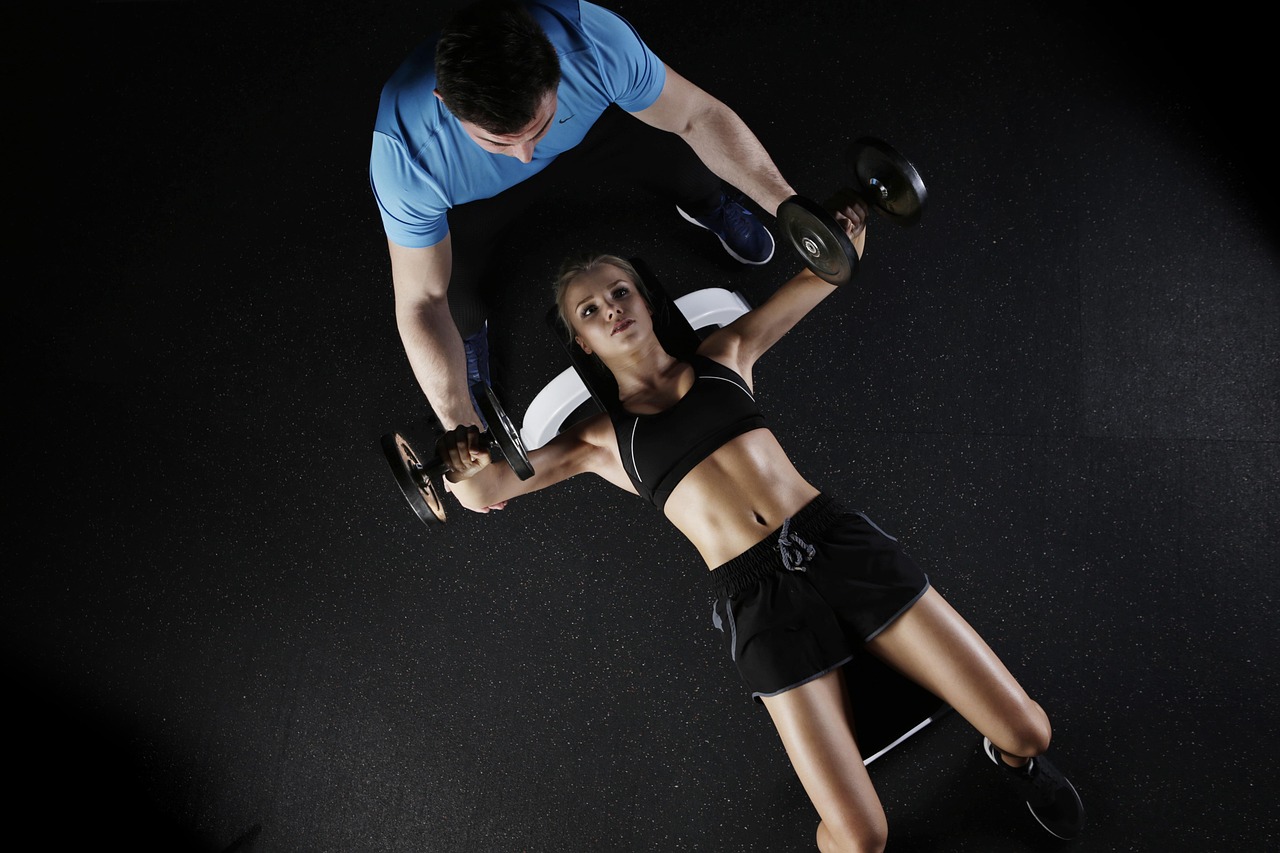

Using Dumbbells for Functional Strength Training
Functional strength training focuses on developing the muscles and movements used in everyday activities. Using dumbbells for functional strength training offers versatility and adaptability, making it easier to incorporate into any routine. Dumbbells allow for a range of motion not typically afforded by machines, engaging stabilizing muscles to improve overall function. This kind of training enhances the body’s capacity to perform daily tasks with greater ease and fewer injuries. Some benefits include increased muscle coordination, improved balance, and joint stability. We can target specific movements that replicate real-life activities such as lifting groceries or carrying heavy boxes. Here are some functional exercises to consider:
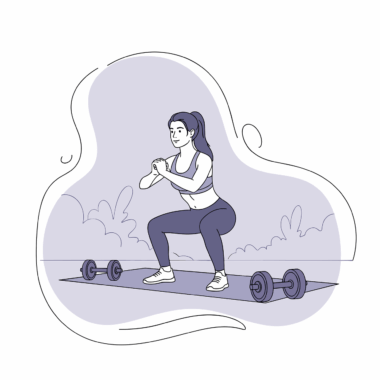
- Dumbbell squats for lower body strength
- Dumbbell overhead presses for shoulder stability
- Renegade rows for core and back strength
- Dumbbell lunges for leg power.
Incorporating these exercises into your routine yields functional strength gains that can significantly improve daily performance while reducing injury risks. Start slowly and seek guidance if needed to ensure proper form and technique, which are crucial for effectiveness and safety.
Incorporating dumbbells into your strength training regimen offers advantages over traditional barbell training. Dumbbells enable unilateral training, allowing one side of the body to work independently from the other. This not only helps address muscle imbalances but also enhances core stability as the body activates various stabilizing muscles. Advanced movements like the dumbbell snatch or clean can engage multiple muscle groups simultaneously, developing not only strength but also explosive power. These compound movements are remarkably effective for functional strength and should be included for comprehensive training. Additionally, the design of dumbbells allows for various grip positions, influencing muscle engagement and targeting specific areas. Furthermore, incorporating a variety of angles in your exercises promotes balanced development, preventing overuse injuries while enhancing functional versatility. Always start with lighter weights to hone your technique before progressing to heavier loads, ensuring safety and effectiveness. Keeping proper posture throughout the exercises is paramount; failing to do so can lead to injury. Always focus on maintaining control during your movements to maximize the benefits of your workout. With consistency, particularly when utilizing dumbbells, you will notice improved performance in daily activities and perhaps even in sports or recreational pursuits as well.
The Principles of Functional Strength Training
Developing functional strength through dumbbells revolves around specific training principles. Firstly, the training should mimic real-life activities to enhance the body’s capability in daily tasks. This principle emphasizes multi-joint movements rather than isolated muscle exercises. Additionally, progressive overload ensures continuous improvement by gradually increasing intensity over time. Sticking to a standardized regimen, while also mixing in different exercises, can help maintain interest and stimulate muscle growth. Implementing varying rest intervals simplifies the transition between strength gain and muscle endurance training, promoting adaptability. Multi-directional movements train the body to function efficiently in all planes, which is vital in real-world applications. Exercises such as lateral raises, dumbbell deadlifts, and forward lunges ensure the development of muscles engaged in various tasks. Furthermore, using a combination of balanced training routines impacts the muscular and cardiovascular systems effectively, influencing overall health. This systematic approach to training aids in injury prevention, promoting longevity as you enjoy a strong and healthy lifestyle. Consistency and adherence to these principles will lead to significant gains in functional and overall strength.
When starting a functional strength training program with dumbbells, warming up and cooling down are essential. Warming up prepares the body for physical activity, increasing blood flow and decreasing the risks of injury. A dynamic warm-up involving movements that mimic your workout can help to activate the muscles you’re about to engage. Stretching afterward promotes recovery, flexibility, and relaxation. Focus on muscle groups that underwent the most work during your training. Another crucial aspect is the importance of a balanced program that integrates both strength and conditioning exercises. Strength training should be combined with cardiovascular activities to enhance endurance and overall performance. This can involve mixing HIIT workouts, resistance bands, or incorporating aerobic exercises alongside your dumbbell routines, offering functional benefits across the board. Taking sufficient rest days between workouts allows muscle recovery and adaptation to the stress of training; this adaptation is vital for improvement. Tracking your progress is beneficial, allowing you to adjust your plans as needed to achieve your goals effectively. Remember, variety lies at the heart of a sustainable fitness journey, keeping motivation high and preventing plateaus.
Safety Considerations for Dumbbell Training
Engaging in strength training using dumbbells necessitates a focus on safety to minimize injuries. Always prioritize proper form over lifting heavier weights; using adequate technique ensures that you’re effectively targeting the intended muscle groups while avoiding unnecessary pressure on joints. Begin with lighter dumbbells; mastering the motion of each exercise before progressing to heavier weights can significantly reduce injury risks. Furthermore, ensure that your workout area is safe and free of distractions or obstacles that could lead to accidents. Wearing suitable footwear providing solid support goes a long way. It is beneficial to have a structured plan that incorporates rest and recovery as part of your training to allow muscles to heal and grow. Maintaining awareness of any pre-existing injuries and understanding how to work around them is fundamental. Gradually intensifying your routine is essential in avoiding burnout; introducing lighter loads after intense training sessions helps recovery. Seek professional guidance when uncertain about exercises or when starting a new regimen. As you become accustomed to the routines and increase your strength, you will appreciate greater performance, health, and wellbeing in your physical capabilities.
Nutrition plays an important role alongside physical training when building functional strength through dumbbells. Adequate nutrition supplies energy for workouts and nutrients for muscle repair and growth. Focusing on a balanced diet rich in protein, healthy fats, and carbohydrates can fuel your body effectively. Protein is especially crucial as it supports muscle recovery and growth; lean meats, fish, dairy, and plant-based options can all be incorporated into your meals. However, timing your nutrition is also instrumental; eating nutrient-rich foods both before and after workouts can optimize performance and recovery. Additionally, staying well-hydrated is essential throughout your training; fluid loss during physical activities can lead to fatigue and decreased performance. Nutritional supplements like protein powders may help meet dietary needs when necessary; however, prioritize whole food sources as they are generally more beneficial. Observe your body’s response to different foods and adjust your intake accordingly for optimal performance. With proper nutrition, you’re more likely to achieve your strength training goals, witness improvements in functional abilities, and support overall wellness as part of your lifestyle changes.
Conclusion: Embracing Functional Strength Training
In conclusion, embracing functional strength training with dumbbells opens a pathway to improve daily life significantly. This method of training not only enhances muscle coordination and stability but also fosters overall health. By focusing on real-world movements that mimic everyday tasks, you cultivate the strength necessary to navigate life’s activities effortlessly. Integrating dumbbells into your routine provides flexibility and variety, which can lead to increased motivation and enjoyment while exercising. Consistent practice of compound movements can result in remarkable physical improvements, while the principles of proper training ensure a successful journey. Paying attention to safety, nutrition, and recovery assists you in maximizing your efforts. Ultimately, the importance of functional strength cannot be overstated; it supports you in pursuing an active lifestyle while preventing injuries. Start your journey today with functional strength training, utilize dumbbells, and experience firsthand the transformations achievable through dedication and hard work. Encourage yourself to remain persistent and adaptable as you progress. Functional strength training is more than a mere workout; it’s an investment in your health and overall wellbeing for years to come.
Whether you are a beginner or an experienced fitness enthusiast, integrating dumbbells into your strength training program can be exceptionally beneficial. Focusing on developing functional strength through progressive overload, proper form, and safe practices will yield long-lasting results. With consistency and commitment, you can expect to experience fewer injuries, improved wellbeing, and increased strength that carries into daily life. Remember, health is a journey rather than a destination; it’s about making informed choices and enjoying the process along the way. Find different exercises that inspire you to keep pushing your limits and maintaining your motivation. Embrace the community of fitness enthusiasts around you; they can provide encouragement, share tips, and celebrate your milestones together. Each step you take leads to profound functional gains in strength and endurance, helping you excel in all real-world activities. Whether lifting a child, playing a sport, or moving furniture, you will equip yourself with the strength required to tackle any challenge. Celebrate the power of functional strength training, and take the first step toward an active, healthy lifestyle today!