
Balance and Coordination Drills for Soccer Players
Balance and coordination are crucial skills in soccer. Players often face challenges in maintaining their balance during various movements, including dribbling, shooting, and defending. Effective drills can enhance these abilities significantly. One effective method is to incorporate balance boards into practice sessions. Balance boards require players to stabilize themselves while engaging in different drills, such as passing or shooting. Another valuable exercise involves single-leg standing, where players try to maintain their balance on one leg for as long as possible while performing upper body movements. Additionally, dynamic balancing exercises can be beneficial. These include lateral hops and agility ladders that force players to concentrate on their shifting weight. Such drills not only improve balance but also enhance overall coordination. Implementing these exercises consistently can lead to better on-field performance. Coaches can create tailored training regimens to include these drills, ensuring players focus on strengthening their core and enhancing muscle engagement. In summary, incorporating balance drills into regular training is essential for developing soccer players’ skills, confidence, and game performance. Regular practice will lead to substantial improvements over time.
Furthermore, another essential drill involves using foam pads or medical balls. Players can practice receiving passes while balancing on these surfaces, promoting stability and coordination. Dribbling while balancing on a balance disc also encourages players to focus on maintaining their center of gravity amidst movement. Introducing small obstacles during running drills can help players develop sharper reflexes while improving their balance. For example, cone weaving allows players to practice quick directional changes, enhancing both balance and coordination. Players must stay grounded while executing sharp turns or sudden stops. Moreover, utilizing resistance bands during training sessions can develop muscle strength and further enhance overall stability. By integrating resistance bands into various drills, players will engage their core and leg muscles effectively, thus improving their balance and coordination. Emphasizing these aspects during training not only prepares players for in-game scenarios but also helps reduce the risk of injuries. Consequently, coaches should prioritize these drills in their practice schedules. The goal is to foster players’ capabilities to perform effectively under pressure. Ultimately, a combination of strength and balance leads to superior soccer performance.
Agility Training for Enhanced Balance
Additionally, agility training significantly complements balance drills for soccer players. Improved agility allows for better control over body movements, enhancing overall coordination. Ladder drills are a perfect example, where players navigate through agility ladders placed on the ground. They enhance foot speed and body control, critical for any soccer player. By incorporating side shuffles, in-and-out movements, and forward sprints within these drills, players learn to stabilize quickly during rapid changes of direction. Team relay races can also add a fun element while further refining balance skills. As players sprint to complete the course, they must balance speed with stability. Furthermore, incorporating mobility exercises such as the single-leg deadlift can work wonders for players’ stability and balance. This exercise focuses on strengthening the leg and core muscles, essential for optimal soccer performance. Another effective method is using target-specific drills. For example, asking players to pass or shoot targets while standing on one leg enhances their focus and balance. By creating a fun yet challenging environment, players develop critical skills effortlessly. Ultimately, regular agility training improves players’ balance and sharpens their on-field instincts for better performance.
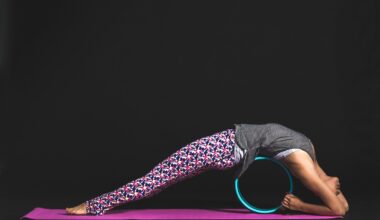
Moreover, yoga and Pilates can effectively complement balance and coordination training. Both practices focus on strength, flexibility, and stability, allowing players to improve their overall physical condition. Specific yoga poses, such as tree pose or warrior III, target balance and control while teaching players to engage their core. Similarly, Pilates emphasizes core strength, helping players achieve better balance during gameplay. Including these practices in training routines can foster mental focus and body awareness. It promotes a holistic approach to athletic performance, encouraging players to understand their bodies better. Furthermore, employing simple balance exercises during training, such as standing on one leg and tossing a ball, can be valuable. This encourages players to maintain their balance while coordinating eye and hand movements. Setting up a series of challenges can create a playful yet competitive atmosphere that motivates improvement. Regular practice of yoga and Pilates allows athletes to become more aware of their center of gravity, thus aiding in preventing falls and injuries. Ultimately, introducing these practices offers soccer players a well-rounded approach to enhancing their game through improved balance and coordination. Consistency is the key.
Cool Down and Recovery for Balance
Lastly, recovery plays a vital role in enhancing balance and coordination for soccer players. Proper cool-down exercises should follow every training session. This helps in muscle recovery and restores balance after intense activities. Incorporating static stretches focused on the lower body can prevent tightness and inefficiency in movement, contributing to better stability. Implementing progressive muscle relaxation techniques can further enhance recuperation. By allowing players to focus on breathing and body awareness, they develop an understanding of their balance in a relaxed state. Engaging in foam rolling techniques can also alleviate muscle tension and maintain flexibility. Stretching facilitates the lengthening of muscles, which promotes coordination. Moreover, encouraging players to stay hydrated is crucial for muscle function as dehydration can negatively impact balancing abilities. Balance and coordination drills are valuable, but recovery practices should be equally prioritized in training regimens. Taking time for active recovery, such as light jogging or walking, allows the body to process the training. An appropriate balance between training and recovery can enable players to maximize their performance on the field. Coaches should emphasize this important aspect within their practice schedules.
In conclusion, achieving a high level of balance and coordination is crucial for soccer players aiming for athletic excellence. Implementing diverse drills into training routines, such as agility movements, core strengthening exercises, yoga practices, and recovery strategies, can lead to substantial improvements. Players should incorporate various training techniques to find what works best for them individually. Balance boards, single-leg exercises, and agility ladders can be tailored to their unique skill levels. Furthermore, coaches should encourage a playful environment where players can experiment with new exercises while focusing on their balance and coordination. This approach will foster a sense of satisfaction and accomplishment when mastering techniques. Players who regularly engage in these balance drills will notice refined motor skills when maneuvering on the field. Moreover, the mental aspect of understanding one’s body and movements significantly impacts performance during the game. A comprehensive approach to balance and coordination prepares players for competition and reduces the likelihood of injury. In the fast-paced world of soccer, where split-second decisions are critical, well-trained balance and coordination skills can make all the difference. Prioritizing these drills in training is essential for any aspiring soccer player.
Final Thoughts on Balance Drills
Ultimately, players should commit to enhancing their balance and coordination skills. Consistently practicing these drills will lead to noticeable improvements on the field. Encouraging players to set personal goals around balance and coordination can lead to increased motivation and a sense of achievement. Coaches must also reinforce the importance of these skills, linking them to overall game performance. Reviewing progress during training sessions can provide valuable insights into each player’s development. Introducing friendly competitions can spark enthusiasm and promote a team-oriented atmosphere while focusing on balance. Further, documenting player performance can aid in refining training techniques to foster individual growth. Understanding that balance and coordination are not isolated skills helps players integrate them into all aspects of their game. Employing technology, such as video analysis, can also highlight areas for improvement. Engaging in these exercises consistently can support players in understanding their strengths and weaknesses, prompting collaboration and support. A commitment towards developing balance and coordination as part of their training journey will ultimately pave the way for success in the sport. Aspiring soccer players must recognize the importance of these vital skills for long-term growth in performance.
Regularly implementing balance and coordination drills leads to sustainable improvements in soccer performance. With dedication and focused practice, aspiring athletes can elevate their game to new heights. Developing these foundational skills lays the groundwork for progression in all soccer aspects. Coaches and players alike should prioritize balance drills in their training schedules. When players can maintain their body control during critical game moments, it significantly enhances their decision-making. Furthermore, these skills contribute to players’ overall athletic development. Instilling a mindset of continuous learning and growth is essential in any sport. For soccer players, balance and coordination should form an integral part of their regular training. Continuous practice ensures that players stay ahead of the competition. The benefits of improved balance and coordination extend beyond technical skills – they contribute to physical health, agility, and mental focus. Investing time in these drills promotes better performance, and players must embrace this journey wholeheartedly. As a result, achieving excellence in soccer becomes attainable through diligence and commitment. Developing balance and coordination skills is paramount for achieving one’s full potential in the beautiful game.