
Water Pollution Prevention: A Key to Enhancing Life Quality and Fitness
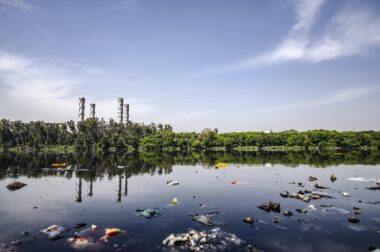
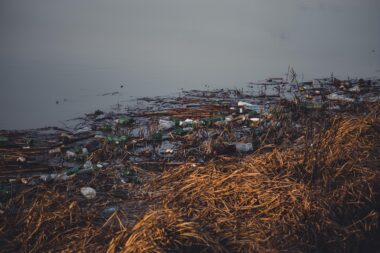
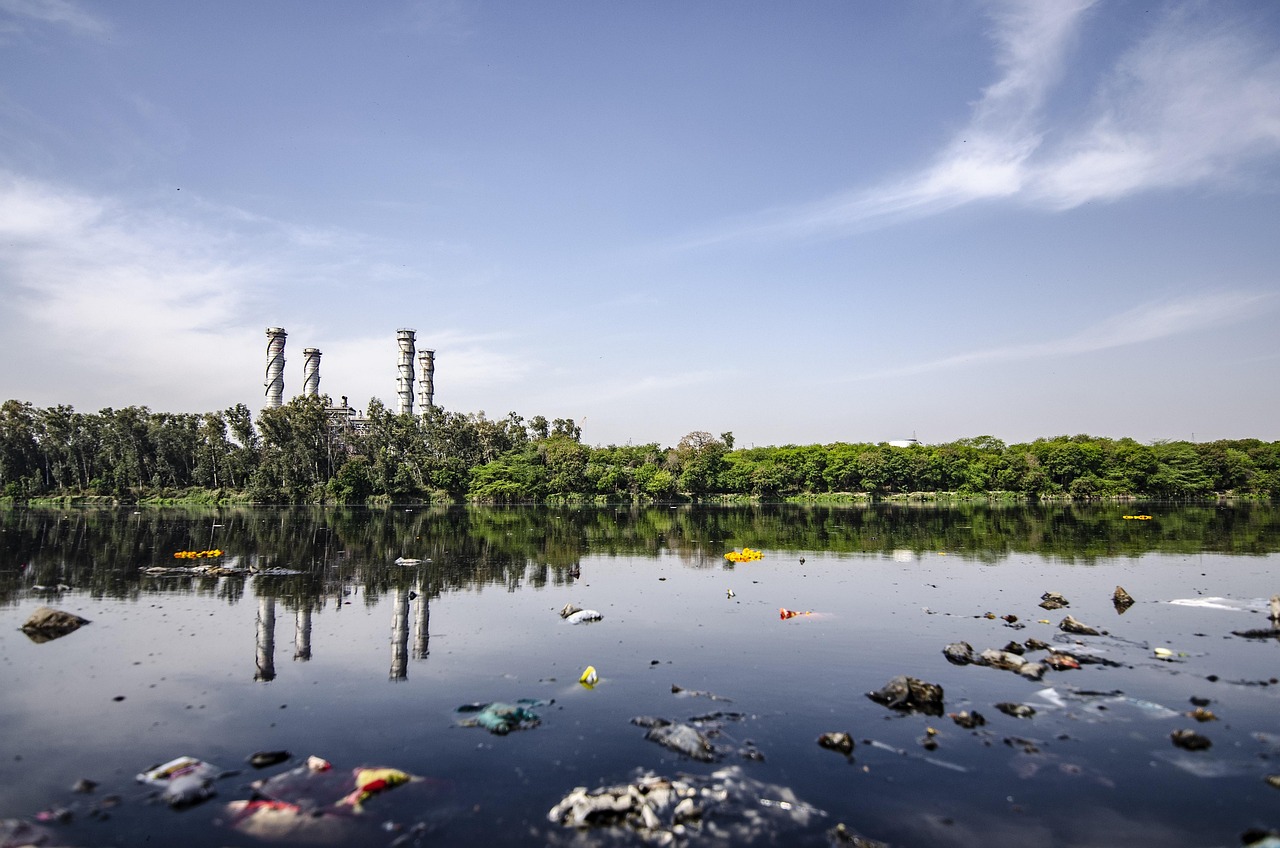
Water pollution is a pressing issue worldwide, impacting ecosystems, health, and overall quality of life. To tackle this challenge effectively, it is essential to understand the significant implications of water contamination. Harmful pollutants have a detrimental effect on not only aquatic life but also human populations reliant on freshwater sources. Measures for preventing water pollution include stricter regulations, technological advancements, and public awareness campaigns. Consequently, increasing education on the importance of sustainable practices empowers individuals to make informed choices. When communities collectively engage in initiatives promoting clean waterways, they foster a healthier environment. Moreover, embracing methodologies such as advanced filtration systems, rainwater harvesting initiatives, and effective waste disposal strategies considerably mitigates pollution sources. Preventing water pollution consequently leads to improved environmental fitness, resulting in healthier habitats for both wildlife and humans. It is crucial to foster partnerships among governmental, non-governmental organizations, businesses, and communities to establish impactful water conservation projects. Furthermore, promoting efficient resource utilization enhances community resilience and sustainability, ensuring safe water access for current and future generations.
The Role of Legislation in Water Protection
Legislation plays a vital role in preventing water pollution and ensuring the safety of our water supplies. Laws regulating industrial discharges, agricultural runoff, and urban waste management significantly contribute to mitigating contamination. Governments must enforce stringent policies mandating businesses to comply with environmental standards, minimizing harmful effects on water bodies. By implementing adequate regulations such as the Clean Water Act, states can ensure better management of water resources. Additionally, legislation must prioritize the protection of vulnerable ecosystems, such as wetlands and watersheds, as these areas are crucial for natural filtration processes. Public engagement is equally important; as informed citizens hold governments accountable, participatory decision-making processes can flourish. Environmental impact assessments should be mandatory for all new projects near water sources, assessing potential pollution risks beforehand. Collaborating with various stakeholders, including industries and community groups, will promote innovative solutions and sustainable practices. Crucially, financing initiatives that focus on restoring polluted water bodies will rejuvenate local ecosystems and improve human health outcomes. Ultimately, effective legislation helps foster a culture of environmental responsibility that benefits all members of society.
Public awareness and education are fundamental in fostering a culture of water protection. Informing communities about the sources and consequences of water pollution empowers individuals to take action. Schools, community organizations, and government agencies are pivotal in disseminating knowledge through workshops, campaigns, and informational resources. When people understand the impacts of their daily activities on water quality, they are more likely to adopt sustainable practices. For example, promoting waste reduction, proper disposal of hazardous materials, and the use of eco-friendly products can immensely decrease contamination levels. Engagement through local events, such as clean-up drives and conservation programs, raises community spirit and allows residents to actively contribute towards keeping their surroundings clean. Furthermore, social media campaigns effectively engage younger generations, encouraging them to share their commitment to water conservation initiatives. Educational materials should be adapted to diverse audiences, ensuring messages resonate with various age groups and cultures. Recognizing and promoting local water heroes, individuals who advocate for clean water, can inspire others. By nurturing a collective sense of responsibility towards water resources, we can ensure cleaner waterways and healthier ecosystems.
Technological Innovations for Pollution Control
Advancements in technology have significantly enhanced our capabilities in combating water pollution. Innovative solutions, such as smart monitoring systems, enable real-time detection of pollutants in water bodies, informing quick responses to contamination events. Technologies like satellite imaging and drones facilitate comprehensive assessments of large bodies of water and enable authorities to detect illegal discharges promptly. Moreover, advancements in water treatment processes, including membrane filtration and bioremediation, have proven effective in cleaning polluted water sources. These technologies utilize biological organisms to degrade toxins, improving water quality while promoting ecological health. The development of green infrastructure, such as permeable pavements and rain gardens, helps manage stormwater runoff, reducing the introduction of pollutants into waterways. Furthermore, public-private partnerships can drive innovation in water conservation techniques and pollution management. Research institutions and businesses must collaborate to develop effective solutions that address both current and future challenges associated with water pollution. By investing in research and development, stakeholders can continue to discover groundbreaking techniques, enhancing overall water quality while safeguarding the environment. Employing strategies leveraging technology will ultimately promote better resource management.
Community engagement is crucial in the fight against water pollution. Local organizations have the unique ability to mobilize citizens around preservation efforts. Collaborative projects, such as tree planting and habitat restoration, improve water quality by stabilizing soil and reducing runoff. Educating citizens about their water sources cultivates a sense of ownership and responsibility. By hosting workshops, discussions, and events, community-based organizations can share best practices and innovative ideas. Programs that encourage citizen involvement, such as citizen science initiatives, collect valuable data while fostering community spirit. By monitoring water quality and ecosystems, engaged citizens become empowered advocates for cleaner waterways. Networks of local volunteers often conduct river clean-up initiatives, identifying problem areas that require targeted actions. Additionally, local governments can support these efforts through grant programs that fund community-driven projects. Promoting initiatives that raise awareness about the links between water quality and public health is essential. Collaborating with local businesses to sponsor events can further strengthen community bonds and extend the reach. Ultimately, active participation in water conservation fosters an environment where everyone benefits from clean and sustainable water resources.
Global Perspectives on Water Pollution Prevention
Water pollution is a global challenge that requires cooperation among nations for effective prevention. Countries across the globe face varying challenges, necessitating tailored approaches to combat contamination. International agreements, such as the United Nations’ Sustainable Development Goals, provide frameworks for collaborative efforts aimed at enhancing water quality. Sharing best practices and technologies can significantly impact water management strategies worldwide. For instance, nations can learn from successful models in water recycling, waste management, and pollution monitoring. Developing countries often benefit from partnerships with more industrialized nations to implement comprehensive strategies addressing local challenges. Furthermore, funding from international bodies is crucial in supporting water infrastructure projects, ensuring the safe supply of drinking water. Non-governmental organizations can also play a vital role by mobilizing resources and raising awareness among global communities. Strengthening regulations and fostering transboundary cooperation among countries sharing water sources can ensure sustainable utilization. Ultimately, by embracing a global perspective on water pollution prevention, we can create healthier ecosystems and improve overall public health internationally. Fostering unity is essential in addressing this obligation toward our planet.
In conclusion, addressing water pollution is essential for enhancing life quality and fitness. By advocating for policy changes, promoting technological innovations, and fostering community engagement, we can effectively combat this significant environmental issue. Education plays a pivotal role in informing citizens about the consequences of pollution, encouraging sustainable practices. Moreover, the active involvement of various sectors, including governmental agencies, businesses, and communities, is necessary for achieving lasting change. Through global collaboration, nations can share knowledge, resources, and strategies to combat water pollution effectively. As individuals, adopting eco-friendly practices greatly contributes to preserving water quality for future generations. By taking responsibility for our actions and advocating for cleaner waterways, we pave the way for healthier ecosystems and improved public health outcomes. Ultimately, our collective efforts will lead to a future where clean water is accessible to all, fostering environmental sustainability and community well-being. Emphasizing the significance of preserving our most vital resource encourages responsibility, ensuring that water pollution prevention remains a priority in our daily lives. Together, we can influence positive change for current and future generations, demonstrating the importance of environmental fitness and sustainability.
Strategies for Effective Water Pollution Prevention
Adopting an integrated approach towards preventing water pollution is crucial for sustainable development. Various strategies can be implemented at different levels – individual, community, and governmental. Individuals can contribute by reducing waste, properly disposing of hazardous materials, and using eco-friendly products. Community-level initiatives, such as organizing clean-up campaigns and advocacy programs, bolster public awareness and motivate local participation. Additionally, governmental policies should focus on the collaboration between different sectors to achieve comprehensive solutions. By establishing partnerships among public entities, private sectors, and non-profit organizations, a broader impact can be achieved in preventing pollution. Implementing strict regulations that hold industries accountable for discharges is vital for ecosystem protection. Investing in advanced technologies to monitor and manage water resources brings significant improvements. Educating the public on water preservation techniques instills support for environmental initiatives. Moreover, fostering environmental stewardship in educational curricula promotes awareness from a young age. By encouraging citizen involvement and highlighting the consequences of pollution, greater collective responsibility will emerge. Overall, effective water pollution prevention requires all sectors working together towards a singular goal – preserving our water resources and enhancing life quality.