
Effective Muscle Building Strategies for Busy Professionals
Building muscle effectively can be a challenge for busy professionals who struggle to find time for the gym. However, with strategic planning and effective workouts, muscle growth is achievable without sacrificing productivity. Prioritizing compound movements is key. Compound exercises engage multiple muscle groups, providing efficient training that yields results. For instance, movements such as squats, deadlifts, and bench presses accomplish this. Another important aspect is meal preparation. Busy individuals can benefit from planning their meals ahead of time, ensuring they consume a balanced diet that supports muscle recovery and growth. High-protein foods, complex carbohydrates, and healthy fats should be staples in their diet for optimal results. Additionally, short and intense workouts can be incredibly effective. High-Intensity Interval Training (HIIT) or circuit training can be used to maximize time spent working out. Finding a workout buddy or personal trainer can also help maintain consistency, motivation, and proper form during workouts. Lastly, staying hydrated is crucial for performance, recovery, and overall health. By integrating these strategies into a busy lifestyle, muscle building becomes a manageable and rewarding endeavor.
Another important consideration is setting achievable goals. Busy professionals should focus on specific, measurable, attainable, relevant, and time-bound (SMART) objectives. This approach allows for tracking progress clearly and encourages consistency in workouts and nutrition. Incorporating resistance training twice or thrice a week alongside cardio will yield impressive muscle gains, as muscles need to be challenged to grow effectively. For added convenience, utilizing convenient workout apps or online fitness programs can offer guidance and flexibility that fits a busy schedule as well. Additionally, utilizing bodyweight exercises during breaks can yield beneficial results; exercises such as push-ups or bodyweight squats can be performed anywhere with minimal time investment, allowing for muscle engagement without needing a gym. It’s also vital to consider recovery; adequate sleep aids in muscle repair and growth, which is essential. Consequently, busy professionals should prioritize getting sufficient rest and utilizing days off effectively for muscle recovery. Overall, blending smart training approaches with a keen focus on nutrition and recovery can yield effective muscle-building results. Keeping motivation alive can lead to sustained progress and long-term fitness success, turning goals into reality.
Essential Nutritional Habits for Muscle Building
Nutritional habits play a pivotal role in achieving muscle-building success. Busy professionals must prioritize a well-rounded diet to fuel their workouts and recovery periods. Consuming high-quality protein sources, such as lean meats, fish, eggs, and plant-based options, helps repair and build muscle tissue after workouts. Daily protein intake should be tailored based on activity levels and personal goals, commonly suggesting 1.2 to 2.0 grams of protein per kilogram of body weight. Furthermore, incorporating carbohydrates is essential to ensure energy levels remain high throughout busy days. Complex carbohydrates, such as whole grains, oats, and brown rice, provide sustained energy while aiding in muscle recovery. Healthy fats, like those found in avocados, nuts, and olive oil, support hormone production vital for muscle growth. Adequate hydration cannot be overlooked; water helps facilitate metabolic processes and maintain performance levels. Professionals should aim for at least eight glasses of water daily, adjusting based on individual needs, activity levels, and climate. In conclusion, balancing macronutrients along with focusing on hydration are crucial to optimizing muscle-building efforts while fitting seamlessly into a busy lifestyle.
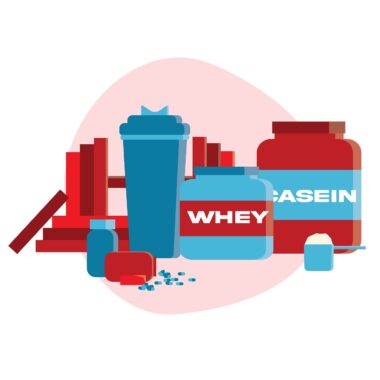
Meal timing can also be a key factor in muscle-building success. Consuming balanced meals containing protein, carbohydrates, and healthy fats before and after workouts is incredibly beneficial. Pre-workout meals provide necessary fuel for performance and endurance, while post-workout meals replenish energy stores and promote recovery. Professionals should aim to eat a meal or snack containing protein and carbohydrates within 30 minutes after exercising. Convenient snacks, such as protein shakes or homemade energy bars, can be pre-prepared for busy days, ensuring access to proper nutrition regardless of time constraints. To further enhance recovery, supplementing with branched-chain amino acids (BCAAs) and creatine may provide additional muscle-building benefits. These supplements help reduce muscle soreness, improve recovery times, and support overall performance. Before starting any supplements, consulting with a healthcare professional or registered dietitian is advisable to ensure safety and efficacy. Moreover, gradually introducing changes to diet and supplementation can help align with new fitness goals without overwhelming oneself. Ultimately, understanding the nutritional aspect of building muscle is essential for busy professionals seeking effective strategies to integrate into their lifestyle.
Time-Efficient Workout Techniques
For busy professionals, time-efficient workout techniques are critical when striving to build muscle. High-Intensity Interval Training (HIIT) stands as the most effective way to maximize results in minimal time. HIIT workouts alternate short bursts of intense exercise with recovery periods, resulting in increased calorie burn and muscle engagement. Designing a HIIT session that incorporates resistance training, like kettlebell swings or battle ropes, can simultaneously develop strength and endurance. Another popular approach is circuit training, where participants perform various exercises in succession with little rest between them. This method keeps the heart rate elevated while working different muscle groups, thus promoting muscle growth effectively. Additionally, incorporating supersets—performing two exercises back-to-back without rest—can accelerate workout efficiency. Busy individuals can also benefit significantly by combining strength training with cardio in the same session, such as incorporating treadmill sprints between weightlifting sets. This approach not only saves time but also provides a comprehensive workout targeting endurance and strength. Overall, utilizing these techniques can lead to significant muscle gains and maintain fitness progress, even for those with packed schedules.
Incorporating flexibility and recovery routines into workout plans is also essential for busy professionals. Stretching, yoga, or mobility work can help improve range of motion and prevent injury during weightlifting sessions. Integrating specific flexibility exercises throughout the week ensures muscles operate optimally and promotes recovery after intense workouts. Scheduling these recovery sessions is key; professionals can consider them as important as their lifting sessions, prioritizing rehabilitation and maintenance of physical health. Moreover, active recovery on rest days—activities like walking or light swimming—facilitates muscle healing while allowing individuals to engage in low-impact activities. Maintaining consistency in both training and recovery sets the foundation for effective muscle building. Furthermore, tracking progress through journals or fitness apps aids motivation and helps to identify areas for improvement. Furthermore, seeking accountability through partnering with colleagues or friends during workout sessions can bolster commitment to consistent practice. Engaging in friendly competition or setting shared goals keeps workouts exciting while avoiding burnout. Ultimately, committing to both training and proper recovery is vital for sustainable muscle gains.
Balancing Career and Fitness Goals
Finally, it’s crucial for busy professionals to balance their career and fitness goals effectively to achieve muscle-building success. Time management plays a vital role; establishing a structured daily routine enables individuals to allocate time efficiently for workouts and meal preparation. Understanding that it’s essential to say ‘no’ to non-work-related commitments can help prioritize goals without compromising professional responsibilities. Additionally, leveraging technology, such as fitness apps or reminders, can optimize scheduled workout sessions and keep motivation high. Leveraging lunchtime or breaks for quick workouts demonstrates that muscle-building efforts can fit into any schedule. Planning for obstacles—traveling or meetings—means having alternative workout strategies ready, ensuring ongoing progress even during busy weeks. Moreover, maintaining an adaptable mindset helps professionals adjust their routines as needed without feeling guilty about missed workouts. Surrounding themselves with a supportive community built on similar goals fosters motivation and accountability. Finally, iterating strategies based on progress while celebrating achievements equips individuals with the knowledge and mindset needed to successfully balance fitness and career demands. With commitment and consistency, busy professionals can thrive both professionally and personally while achieving their fitness goals.
In the end, the key to muscle building is focusing on effective strategies and incorporating them into a sustainable lifestyle. Busy professionals face unique challenges, but with the right planning, dedication, and consistency, achieving muscle growth is entirely feasible. By prioritizing a well-rounded diet, effective workout techniques, and proper recovery, professionals can develop successful strategies that align with their fast-paced lives. Documenting goals, seeking support, and tending to plateaus ensures continuous progression without burnout. Ultimately, embracing a holistic approach encompassing nutrition, training, and sufficient recovery becomes invaluable, ensuring long-term muscle-building success for even the busiest professionals.