
The Role of Parents and Caregivers in Encouraging Hydration
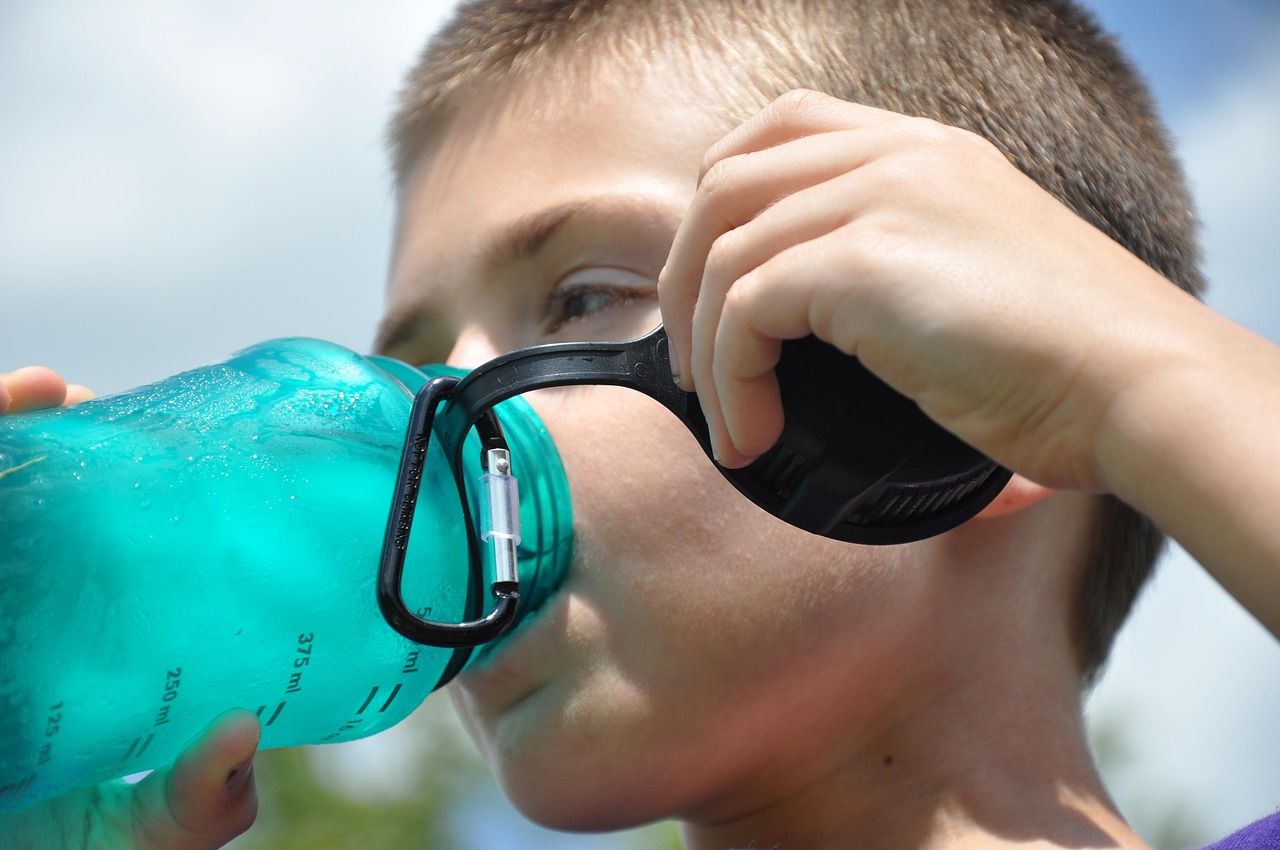
Ensuring that children stay hydrated is essential for their health and well-being. Parents and caregivers play a crucial role in promoting healthy hydration habits. Children are often unaware of their own hydration needs, unlike adults who can recognize thirst more easily. A key step is for parents to lead by example, demonstrating healthy hydration choices. This might mean drinking water regularly and encouraging children to join in. Educating children about the benefits of drinking water—such as improved focus, energy, and overall health—is vital. Making water readily available at home is also key, as children are more likely to drink water if it is easily accessible. This can include keeping a pitcher of water in the refrigerator or providing water bottles for school. Even fun elements like using colorful cups can motivate kids to drink more. It’s important to integrate hydration into daily routines, such as drinking a glass of water before meals and after play. Additionally, parents can incorporate games that encourage drinking water, which can make hydration enjoyable and engaging.
In many cases, parents may not recognize the impact of flavored beverages and their role in hydration. Many drinks marketed toward children contain high amounts of sugar or artificial flavors. Parents need to observe how these beverages affect their children’s hydration habits. It’s important to educate children on making better drink choices. Emphasizing water as the best choice can help them avoid sugary alternatives. Caregivers can make this transition easier by offering natural fruit-infused water. This adds flavor without the drawbacks of added sugars. Planning activities that involve water—like visiting splash pads or swimming pools—can also encourage fun ways of staying hydrated. It can make drinking water feel less like a chore and more enjoyable. Parents should be proactive and create a hydration plan for both home and outings. This could include packing water bottles for trips or sports activities. Repeated positive reinforcement about hydration habits can lead to better choices. Encouraging children to listen to their bodies and recognize thirst is a necessary step for developing lifelong hydration habits.
When discussing hydration for children, it is also crucial to consider the different needs based on age and activity level. Toddlers require less water than active teenagers, but every child has specific requirements. Parents can consult guidelines established by health organizations regarding age-specific water intake recommendations. Creating a chart to track water consumption can serve as a visual reminder for children. This can inspire a sense of accomplishment when they reach their hydration goals. Additionally, involving children in the process can empower them to take responsibility. For instance, organizing a sticker chart reduces feelings of obligation and incentivizes your child to drink more water. Positive reinforcement encourages children to show initiative in their hydration habits. Social contexts play a major role as well; children often mimic their peers. If they see friends or siblings regularly drinking water, they’re more likely to follow suit. Educating kids at an early age about the importance of staying hydrated lays a strong foundation for maintaining healthy habits later in life. Engaging them in discussions about how hydration impacts their performance can be advantageous.
Creative Ways to Encourage Hydration
Beyond traditional methods, making hydration fun is a creative way to engage children. Parents can experiment with various strategies, such as preparing visually appealing snacks that are high in water content. Fruits and vegetables like cucumbers and watermelon can be excellent additions to meals and can hydrate children while providing essential nutrients. Making hydration a game can also pique children’s interest. For instance, setting hydration goals and giving rewards, such as stickers or small treats, can motivate children. Parents can encourage children to drink enough water every day by transforming the act into a playful challenge, as it emphasizes excitement. Activities such as making smoothies together can also promote hydration while teaching kids nutritious recipe ideas. Beyond food, parents can introduce different containers, such as fun water bottles or novelty cups, to make drinking water appealing. These elements can increase children’s interest in water consumption. Furthermore, installing an easy-to-use water dispenser can enhance accessibility at home, hence eliminating barriers to drinking water. Experimentation with these different strategies is essential to discovering what resonates best with each child.
The Importance of Routine and Structure
In establishing healthy hydration habits, routine and structure play essential roles as well. Creating a scheduled drinking time every few hours can help reinforce the habit of hydration. During meal times, encourage the family to have water as a drink of choice, reinforcing its importance. Making it a family tradition allows children to socialize and bond over hydration rituals. Role modeling consistent behavior also influences children’s hydration habits, as they learn from observing adult practices. Having structured opportunities for drinking can reduce the chances of children forgetting to drink throughout the day. Additionally, caregivers should plan hydration breaks during playtime, especially in hot weather when the likelihood of dehydration increases. This strategy ensures kids understand that water breaks are essential. Seasonal changes can also affect hydration; families often adapt activities, and routines should reflect that to maintain proper hydration. Parents should encourage children to take a water bottle during physical activities, particularly during sports. Providing access to water ensures they stay adequately hydrated during exertion. Combining these elements effectively ingrains healthy hydration into daily life.
Understanding the signs of dehydration is crucial for parents and caregivers as well. Recognizing early symptoms—such as dry mouth, fatigue, or minimal urine output—can help address issues quickly. Educating children about these signals is equally important. Children should know to ask for water when they feel thirsty and understand the importance of hydration. Creating an open dialogue fosters an environment where children feel comfortable discussing their needs. Parents can engage children by playing informational games related to health. Teaching about hydration through fun, interactive formats makes the learning process enjoyable. Sharing stories and experiences can also serve as motivational lessons. Involving children in hydration decisions encourages responsibility, allowing them to choose how to hydrate throughout the day. Keeping a personal water bottle enables kids to track their intake and take pride in their choices. Parents should also be aware of weather changes that can influence hydration needs. Hot weather increases the need for fluids, especially during outdoor activities. Keeping these discussions ongoing will empower children and help them cultivate mindful hydration habits.
Regular check-ins on hydration should be incorporated into weekly family discussions. Discussing goals and achievements regarding fluid intake encourages continual cultivation of healthy habits. Celebrating small successes reinforces positive behavior while motivating children to improve when necessary. Some families may find it helpful to introduce technology—such as hydration apps—to monitor intake. These digital tools can provide reminders and helpful tips. Some children may respond positively to gamification, making hydration a fun challenge to explore. For families with multiple children, a friendly competition regarding water intake could be beneficial. It makes the process engaging and promotes teamwork. Demonstrating transparency in the assessment of drinking habits can strengthen parent-child relationships. Scheduling weekly discussions, whether during meals or family outings, allows parents to revisit hydration goals without pressure. This opportunity cultivates a non-competitive spirit where children can share successes and challenges. Parents should remain open-minded to new methods of remarkable creativity in introducing hydration habits. Ultimately, the objective is to foster a culture of health and well-being within the family. By following these strategies, hydration can become an integral part of every child’s lifestyle.
Conclusion: Lifelong Hydration Habits
Encouraging hydration in children is a vital aspect of fostering healthy habits that last a lifetime. Effective strategies can be tailored to suit individual family dynamic. Overarching themes—like leading by example and making hydration fun—ultimately create sustainable behaviors. The active involvement of parents and caregivers ensures that children recognize the importance of fluid intake. It enhances their overall health and ability to focus and perform well in school or other activities. Highlighting the significance of hydration leads children to understand that it should be a daily priority. Lastly, integrating creativity and structure allows for the development of personalized hydration plans that consider the needs and preferences of each child. By reinforcing positive habits and consistently monitoring progress, parents can facilitate a healthy relationship with water. Regular reminders and accessible options keep kids engaged with their fluid intake, paving the way for conscientious decisions throughout life. Whether through engaging games, educational talks, or family routines, each approach enriches children’s understanding of hydration. The ultimate goal is to create empowered, hydrated children who appreciate their health.